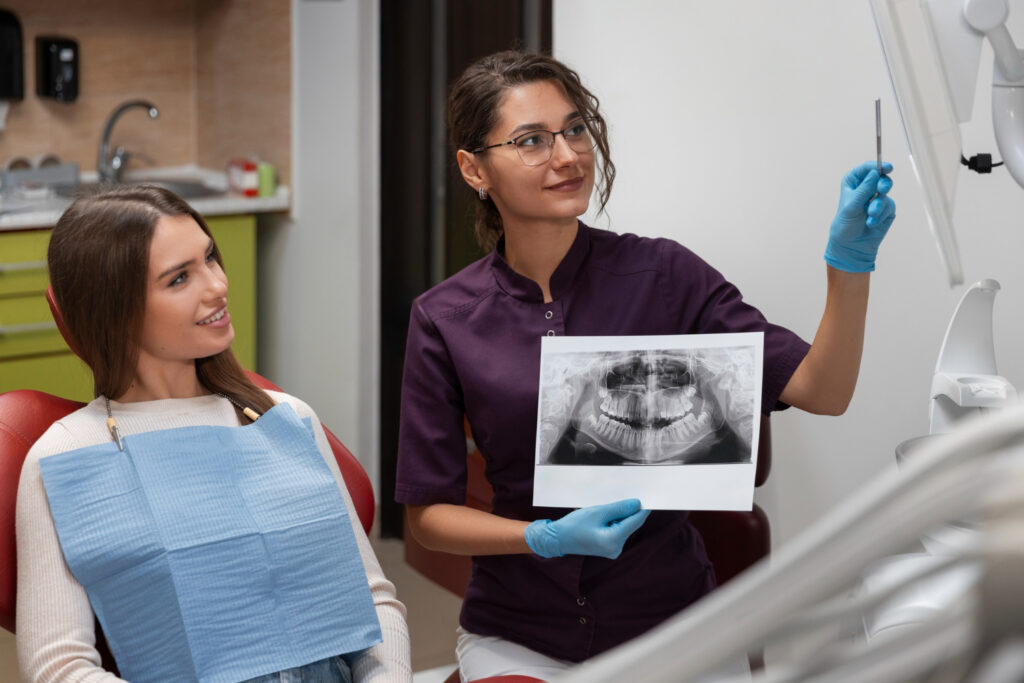
For decades, the least pleasant part of dental work for many patients was the impression. A tray filled with putty was pressed against the gums, and the pressure often triggered a gagging reflex. Intraoral scanning in Brandywine, MD has replaced that experience for many periodontal patients. Using a small wand, dental teams capture detailed digital images of the mouth, and the process feels far more comfortable. For anyone preparing for dental implants, that digital record gives the periodontist useful information for planning treatment carefully.
What Is Intraoral Scanning?
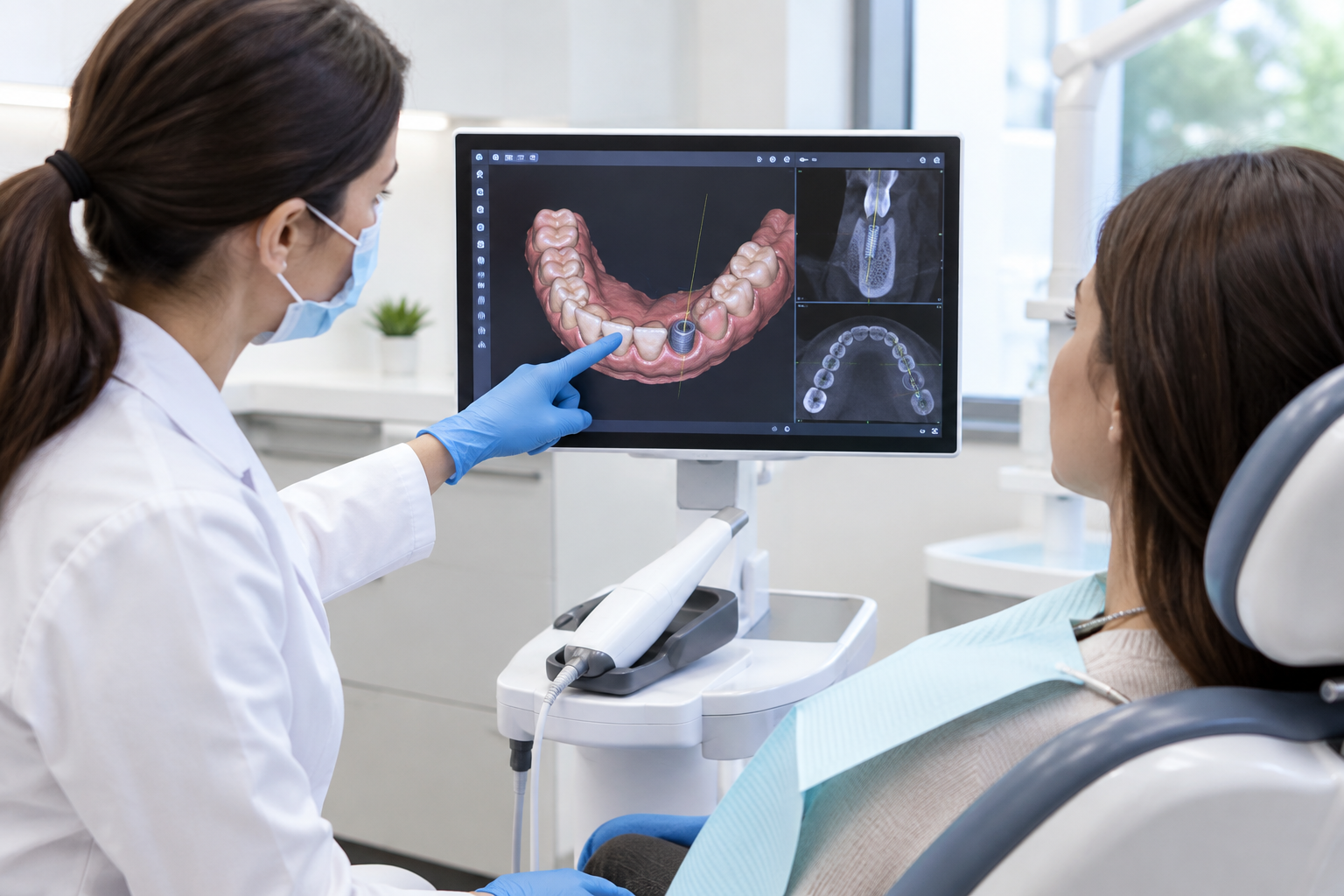
Intraoral scanning is a way to record the shape and position of the teeth and gums digitally. Instead of filling a tray with impression putty and asking a patient to bite down, the dental team passes a small wand along the teeth. The scanner builds a detailed 3D digital image on a screen. Practices that use an intraoral digital scanner do so to make impressions accurate, efficient, and comfortable every time.
The scan captures detailed images of the mouth without the discomfort that some patients associate with traditional impressions. Because the images appear on a monitor right away, the periodontal team can check that all needed areas were captured before moving forward. That immediate feedback helps avoid the guesswork that can come with older impression materials.
Why Implant Planning Demands Accurate Imaging
Dental implant planning begins long before the day of surgery. A periodontist must evaluate the condition of the gum tissue, the health of the surrounding teeth, and the area where the implant will be placed. Periodontal health depends on accurate diagnosis. Gum disease, bone loss, and implant placement all require clear imaging of the structures below the gum line.
Digital scanning in Brandywine helps improve periodontal diagnosis, treatment planning, and dental implant care. When a clinician can view the teeth and gums in high detail, the treatment plan becomes more predictable. For patients who need both periodontal treatment and implant surgery, the information from an intraoral scan supports a smoother path from diagnosis to recovery.
How Intraoral Scanning Improves Implant Planning
An implant-supported tooth must fit the mouth in a specific way. The position of the implant, the shape of the gum tissue, and the way the replacement tooth will meet the neighboring teeth all matter. Intraoral scanning gives the clinician a clear view of those details.
- The digital model accurately records the contours of the teeth and gums without the distortion that can occur with putty materials.
- A complete scan is fast, which makes the appointment more efficient for both the patient and the dental team.
- The images can be enlarged and rotated on the screen, allowing the periodontist to study the area from several angles before surgery.
- Patients can see the same images their clinician sees, which makes it easier to understand why implant treatment is recommended.
Once the implant is placed and the final restoration is planned, the detailed digital record also supports communication between the periodontal office and the restorative dentist. Each provider can review the same information instead of relying on a physical model that may not tell the full story.
Traditional Impressions vs. Intraoral Scans
| Method | The Patient Experience | What the Dental Team Gains |
|---|---|---|
| Traditional tray impression | A tray packed with putty is placed over the teeth. Patients commonly feel pressure on the gums and an urge to gag. | A physical mold that must be sent to a lab and poured before it can be evaluated. |
| Intraoral scan | A small wand moves gently along the teeth. Many patients find this more comfortable than older methods. | Detailed digital images of the teeth and gums that can be reviewed immediately on a screen. |
The comparison explains why so many practices in the Brandywine area have moved toward digital scanning. A dental visit should not be defined by gagging or discomfort. With an intraoral scanner, patients get a more comfortable experience and the periodontal team receives the accurate digital information needed to guide implant treatment.
What to Expect During an Intraoral Scan
An intraoral scan follows a simple routine. You sit in the dental chair while the periodontist or a member of the dental team passes a scanning wand along your teeth. The wand moves gently along the surface, and you can often watch the digital image take shape on a screen in front of you. There is no putty to bite down on and no material sitting in the mouth while it sets.
Patients who once avoided dental care because traditional impressions caused a gagging sensation may find the digital approach much easier to handle. Since the scan is comfortable and fast, the periodontal team can focus on the clinical details that matter for implant planning instead of helping the patient manage the impression experience.
Digital Scanning in Modern Periodontal Care
In Brandywine, MD, this technology is woven into a larger commitment to comfortable and advanced care. Periodontal offices use dependable equipment for gum disease treatment, dental implant placement, and many other restorative procedures. An intraoral scanner complements other modern tools, giving clinicians the visual detail they need before making treatment decisions.
Because the site of an implant must be assessed with care, combining the intraoral scan with thorough imaging gives the clinician the clearest possible picture of the area. When all the information is gathered up front, the patient benefits from a plan that is both thorough and thoughtfully prepared.
Frequently Asked Questions
How is an intraoral scan different from a traditional dental impression?
Traditional impressions used a tray packed with putty that pressed on the gums and often made patients gag. Intraoral scanning uses a small wand that moves gently along the teeth. The scan captures detailed digital images of the mouth, and the result appears on a screen right away. Most patients find the scanning approach more comfortable than the older method.
Is intraoral scanning comfortable for implant patients?
Many patients find it more comfortable than older impression methods. There is no putty, no tray, and no pressure on the gums. The small wand glides gently along the teeth while the image appears on the screen. For anyone with a sensitive gag reflex, the digital technique provides a noticeably easier experience during implant planning visits.
How does an intraoral scan support dental implant planning?
A periodontist needs to study the teeth and gums carefully before placing an implant, and implant cases also require attention to structures below the gum line. The intraoral scan captures accurate detail that supports diagnosis and treatment planning. When the periodontal team has clear digital images at the start, the plan for implant placement is built on solid information.
Will I still need X-rays or 3D imaging along with an intraoral scan?
Intraoral scanning records the visible teeth and gum tissues. For dental implants, the periodontist may also need other imaging tools to examine the bone and surrounding anatomy. In Brandywine, periodontal offices use these methods together to build a complete picture of the mouth before implant surgery begins.
Conclusion
Intraoral scanning helps make dental implant planning more comfortable, efficient, and precise. By capturing detailed digital images of the teeth and gums, this technology provides periodontists with valuable information for creating a personalized treatment plan. When combined with other diagnostic imaging, intraoral scans support careful planning from the initial consultation through implant placement and restoration. If you are considering dental implants, schedule a consultation with Sorkin Perio in Brandywine, MD, to discover whether digital scanning is right for your needs.