Frequently Asked Questions
None - Questions not provided for evaluation?
Frequently Asked Questions about Periodontal Care
The absence of specific questions indicates that potential patients may seek general information about periodontal services. We encourage you to reach out for personalized answers regarding treatments, procedures, and scheduling appointments.
What are the benefits of dental implants?
The benefits of dental implants include improved oral health, enhanced functionality, and a natural appearance. They provide a stable foundation for replacement teeth, prevent bone loss, and boost confidence by restoring smiles effectively.
How long do dental implants last?
Dental implants can last a lifetime with proper care. Typically, the implant itself can remain functional for 10 to 15 years or longer, depending on factors such as oral hygiene and regular dental visits.
What is the recovery time for implants?
Recovery Time for Dental Implants: The recovery time for dental implants typically ranges from a few days to several months, depending on individual healing and the complexity of the procedure. Most patients can resume normal activities within a week.
Are dental implants suitable for everyone?
Dental implants are not suitable for everyone. Factors such as bone density, overall health, and specific dental conditions can affect eligibility. A thorough evaluation by a qualified professional is essential to determine if dental implants are right for you.
What is the cost of dental implants?
The cost of dental implants varies based on factors such as the complexity of the case and the type of implant used. Generally, patients can expect to invest between $3,000 to $4,500 per implant, including associated procedures.
How are dental implants placed?
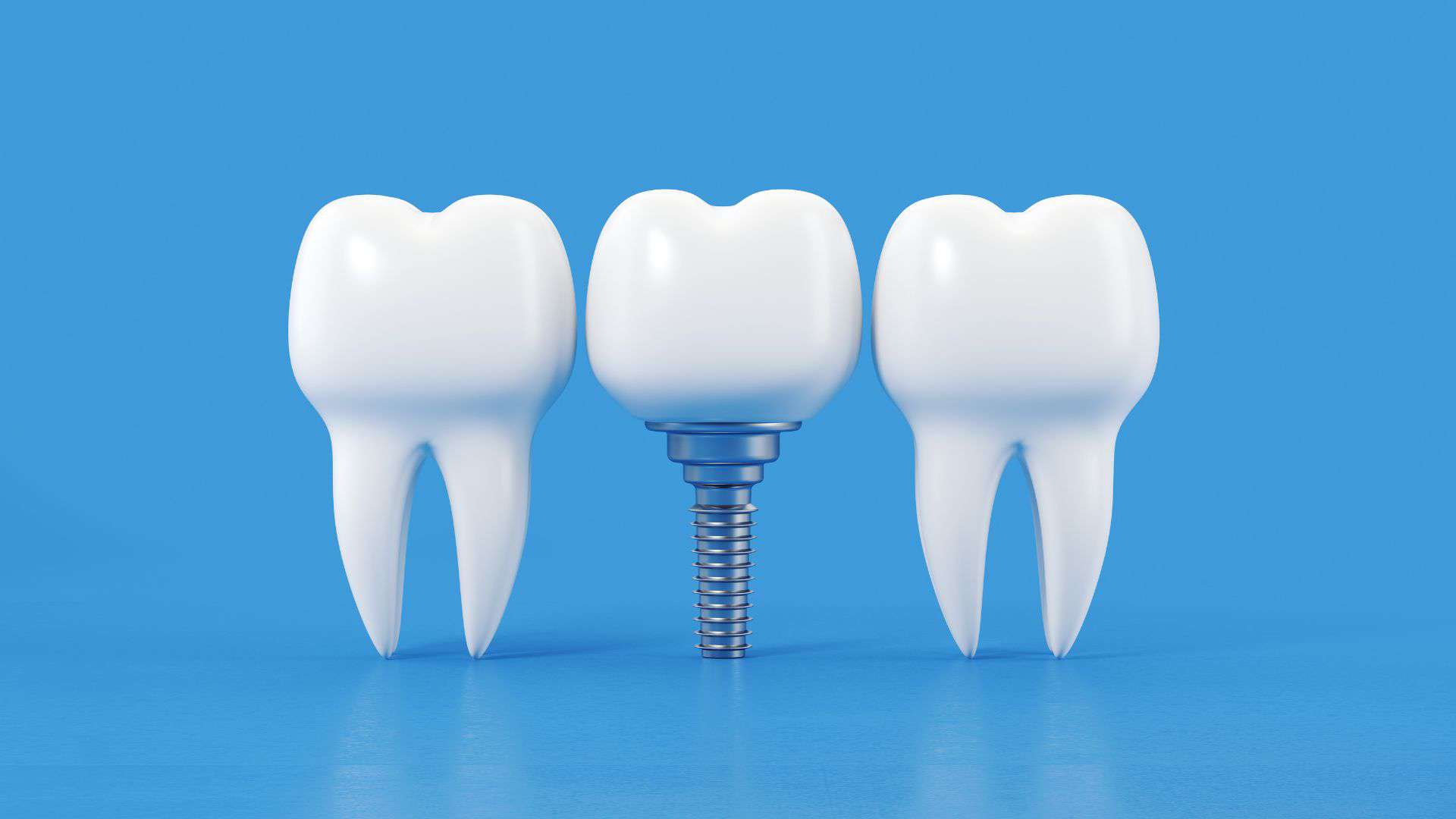
Dental implants are placed through a surgical procedure where a titanium post is inserted into the jawbone, serving as a root for the replacement tooth. This is followed by healing and attachment of the crown.
What materials are used for dental implants?
The materials used for dental implants primarily include titanium and zirconia. Titanium is favored for its strength and biocompatibility, while zirconia offers a tooth-colored option that is aesthetically pleasing.
What are the risks of dental implants?
The risks of dental implants include infection, nerve damage, implant failure, and sinus issues. These complications can arise from improper placement or individual health factors, making a thorough consultation with a qualified periodontist essential.
How do I care for dental implants?
Caring for Dental Implants: Essential Tips
Caring for dental implants involves maintaining good oral hygiene, including regular brushing and flossing, and visiting your dentist for check-ups. Avoid hard foods and tobacco to ensure longevity and optimal health of your implants.
Can dental implants improve oral health?
Dental implants can significantly improve oral health by restoring function and aesthetics, preventing bone loss, and reducing the risk of gum disease. They provide a stable foundation for replacement teeth, enhancing overall oral hygiene.
What is the success rate of implants?
The success rate of dental implants is generally high, typically ranging from 90% to 95%, depending on factors such as the patient's overall health and adherence to post-operative care.
How do I know if I need implants?
Determining if you need dental implants involves assessing your oral health and tooth loss. If you have missing teeth, difficulty chewing, or shifting teeth, it’s advisable to consult with a periodontist for a professional evaluation.
What are the alternatives to dental implants?
The alternatives to dental implants include dentures and bridges. These options can restore functionality and aesthetics for patients who may not be suitable candidates for implants, offering effective solutions for tooth replacement.
How do dental implants compare to dentures?
Dental implants offer a more permanent solution compared to dentures, providing better stability, improved oral health, and a natural appearance. Unlike dentures, which can slip and require regular maintenance, implants function like natural teeth and can last a lifetime with proper care.
What is the process for getting implants?
The process for getting implants involves a thorough consultation, imaging to assess jawbone health, placement of the implant, and a healing period before attaching the crown. Each step is tailored to ensure optimal results for your oral health.
Can I get implants if I have gum disease?
Implants can be considered for patients with gum disease, but it's essential to treat the gum disease first. A thorough evaluation by a periodontist, like Dr. Vivian A. Sorkin, will determine the best approach for your oral health.
What should I expect during the consultation?
During the consultation, you can expect a comprehensive evaluation of your periodontal health, discussion of your concerns, and a personalized treatment plan tailored to your needs. Dr. Sorkin will ensure you feel comfortable and informed throughout the process.
How do I choose a dental implant provider?
Choosing a dental implant provider involves evaluating their qualifications, experience, and patient reviews. Look for a specialist with a strong background in periodontics and advanced training in implant procedures to ensure high-quality care.
What are the signs of implant failure?
Signs of Implant Failure:
The signs of implant failure include persistent pain, swelling around the implant site, loosening of the implant, and signs of infection such as pus or fever. If you experience these symptoms, consult your periodontist promptly.
How do implants affect speech and eating?
Implants can significantly enhance speech and eating by providing stable support for artificial teeth, allowing for clearer pronunciation and improved chewing efficiency. This leads to greater comfort and confidence in daily activities.
What is the difference between implants and bridges?
The difference between implants and bridges lies in their structure and function. Implants are surgically placed in the jawbone, providing a permanent solution, while bridges rely on adjacent teeth for support, making them less stable over time.
How are implants maintained over time?
Maintaining dental implants over time involves regular oral hygiene practices, including daily brushing and flossing, as well as routine dental check-ups to ensure the health of the surrounding gums and bone.
What advancements exist in implant technology?
Advancements in implant technology include the development of mini implants, improved materials like titanium and zirconia for better biocompatibility, and computer-guided implant placement techniques that enhance precision and reduce recovery time.
Can implants be placed in one visit?
Can Implants Be Placed in One Visit?
Implants can sometimes be placed in one visit, depending on individual circumstances and the complexity of the case. A thorough evaluation by Dr. Vivian A. Sorkin will determine the best approach for your treatment.
What is the role of a periodontist in implants?
The Role of a Periodontist in Implants:
The role of a periodontist in implants involves diagnosing, planning, and performing the surgical placement of dental implants, ensuring optimal integration with the jawbone and surrounding tissues for long-lasting results.
How do I prepare for dental implant surgery?
Preparing for dental implant surgery involves following specific guidelines. Ensure you have a thorough consultation with your periodontist, follow pre-operative instructions, avoid certain medications, and arrange for post-surgery transportation and care.
What post-operative care is required for implants?
Post-operative care for dental implants includes following your dentist's instructions, managing discomfort with prescribed medications, maintaining oral hygiene, and attending follow-up appointments to ensure proper healing and integration of the implant.
Are there age restrictions for dental implants?
Age restrictions for dental implants are not strictly defined; however, candidates should have fully developed jawbones, typically achieved by late adolescence. Older adults can also benefit from implants, as age alone is not a disqualifying factor.
How do implants integrate with the jawbone?
Implants integrate with the jawbone through a process called osseointegration, where the bone cells grow around the implant, securing it firmly in place. This creates a stable foundation for dental restoration.