Dental Implants in Brandywine, MD: Treatment & Benefits
Dental implants in Brandywine, MD provide a long-term solution for missing teeth, helping restore oral function, appearance, and confidence. Whether you need a single implant or full-mouth restoration, periodontal implant dentistry offers durable and natural-looking tooth replacement options personalized to your oral health needs.
This guide covers the benefits, treatment options, recovery process, and long-term care involved with dental implants in Brandywine, helping patients make informed decisions about their oral health.
What Are Dental Implants?
Dental implants are artificial tooth roots that provide a strong foundation for fixed or removable replacement teeth. They are designed to blend seamlessly with natural teeth, restoring both function and appearance. The importance of periodontal health cannot be overstated, as healthy gums are essential for the success of dental implants.
Patients considering this treatment should be aware of the various options available, including traditional implants and advanced techniques personalized to individual needs.
Components of Dental Implants
Dental implants consist of three main components: the implant body, abutment, and crown. The implant body is the titanium post that anchors into the jawbone, the abutment connects the implant to the crown, and the crown is the visible part that resembles a natural tooth. There are various types of implants, including endosteal implants, subperiosteal implants, and mini implants, each designed to meet specific patient needs.
Types of Dental Implant Treatments
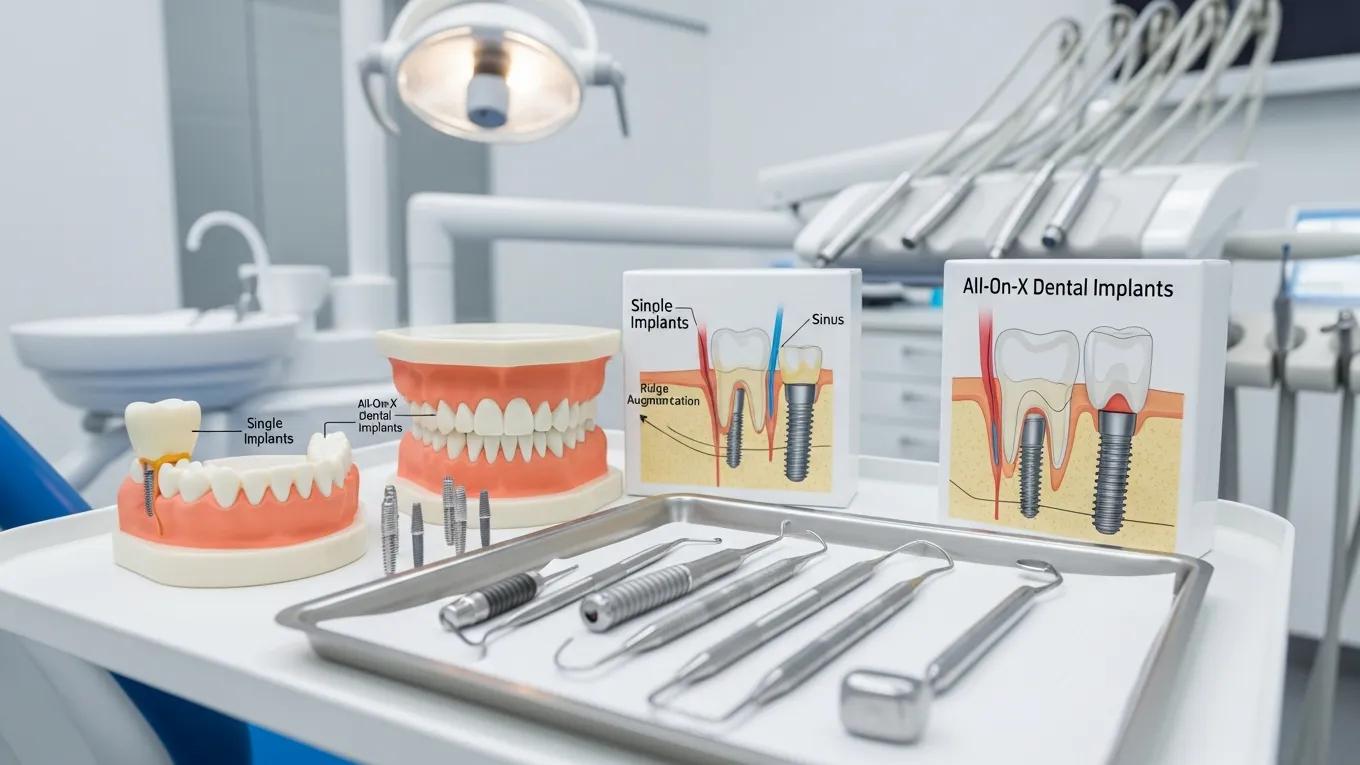
Dental implant procedures vary based on the patient’s specific needs and the condition of their oral health. Here are some of the primary treatment options available:
Dental Implants
Standard dental implants consist of a titanium post surgically placed into the jawbone, serving as a sturdy base for a crown. This procedure typically involves several steps, including initial consultation, implant placement, and crown attachment. The benefits of dental implants include improved oral function, enhanced aesthetics, and long-term durability.
All-On-X Dental Implants
All-On-X implants are a revolutionary solution for patients requiring full arch restoration. This technique allows for the placement of a complete set of teeth on just a few strategically placed implants. Ideal candidates for All-On-X implants are those with significant tooth loss or those seeking a more stable alternative to dentures. The benefits include reduced treatment time and improved comfort.
Sinus Augmentation and Ridge Augmentation
Sinus augmentation and ridge augmentation are procedures that enhance the bone density in the jaw, making it suitable for implant placement. Sinus augmentation involves lifting the sinus membrane and adding bone material, while ridge augmentation focuses on rebuilding the jawbone’s height and width. These procedures are often necessary for patients with insufficient bone structure, ensuring a successful implant placement.
Guided Surgery
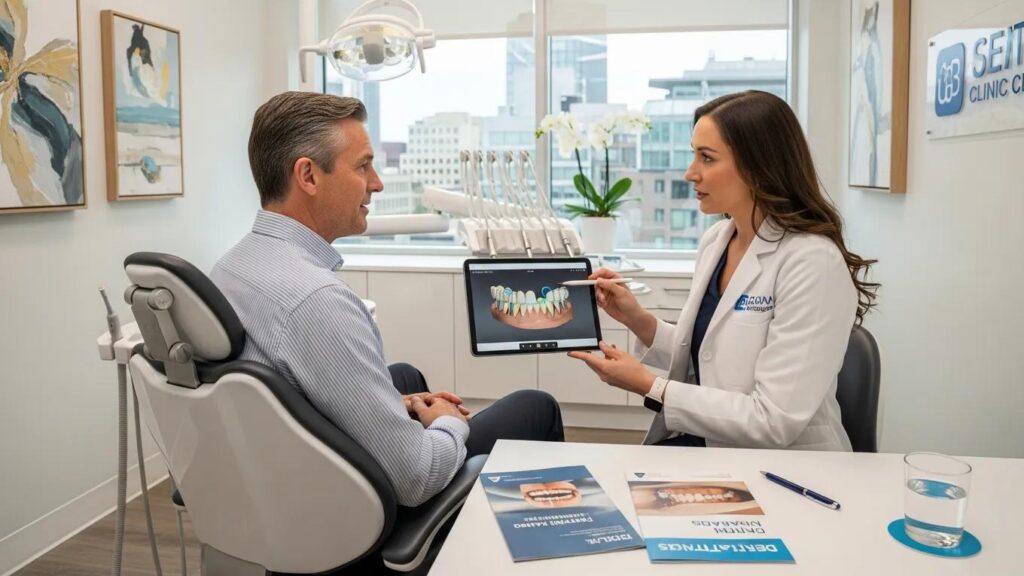
Guided surgery utilizes advanced imaging technology to plan the precise placement of dental implants. This technique enhances the accuracy of the procedure, reducing the risk of complications and improving overall outcomes. Patients benefit from a minimally invasive approach, leading to quicker recovery times and less discomfort.
Treatment of Peri-Implantitis
Peri-implantitis is an inflammatory condition affecting the tissues surrounding dental implants. It is crucial to manage this condition effectively to prevent implant failure. Treatment options include professional cleaning, antibiotic therapy, and, in severe cases, surgical intervention. Regular monitoring and maintenance are essential for long-term success.
Step-by-Step Dental Implant Process
The dental implant procedure typically involves several key steps:
- Pre-Implant Assessments: A thorough evaluation, including periodontal assessments, is conducted to determine the patient’s suitability for implants.
- Surgical Placement: The implant is surgically placed into the jawbone, followed by a healing period to allow for osseointegration.
- Post-Operative Care: Patients receive specific care instructions to promote healing and prevent complications.
Bone Grafting and Gum Grafting for Dental Implants
Gum grafting and bone grafting are procedures that can significantly enhance the success of dental implants. Gum grafting involves adding tissue to the gums to improve their thickness and health, while bone grafting increases the bone volume in the jaw, providing a stable foundation for implants. These procedures are often necessary for patients with insufficient tissue or bone density.
Benefits of Dental Implants
Dental implants offer numerous advantages that significantly enhance the quality of life for patients. Some key benefits include:
- Natural Appearance: Dental implants closely resemble natural teeth, providing a seamless smile.
- Bone Preservation: Implants stimulate the jawbone, preventing bone loss that often occurs with missing teeth.
- Durability: With proper care, dental implants can last a lifetime, making them a cost-effective solution in the long run.
For those considering dental implants, it is essential to consult with a qualified periodontist. Vivian A Sorkin DMD LLC specializes in advanced gum disease treatment and dental implant placement in Brandywine, MD, ensuring patients receive the highest level of care.
Recovery and Post-Operative Care
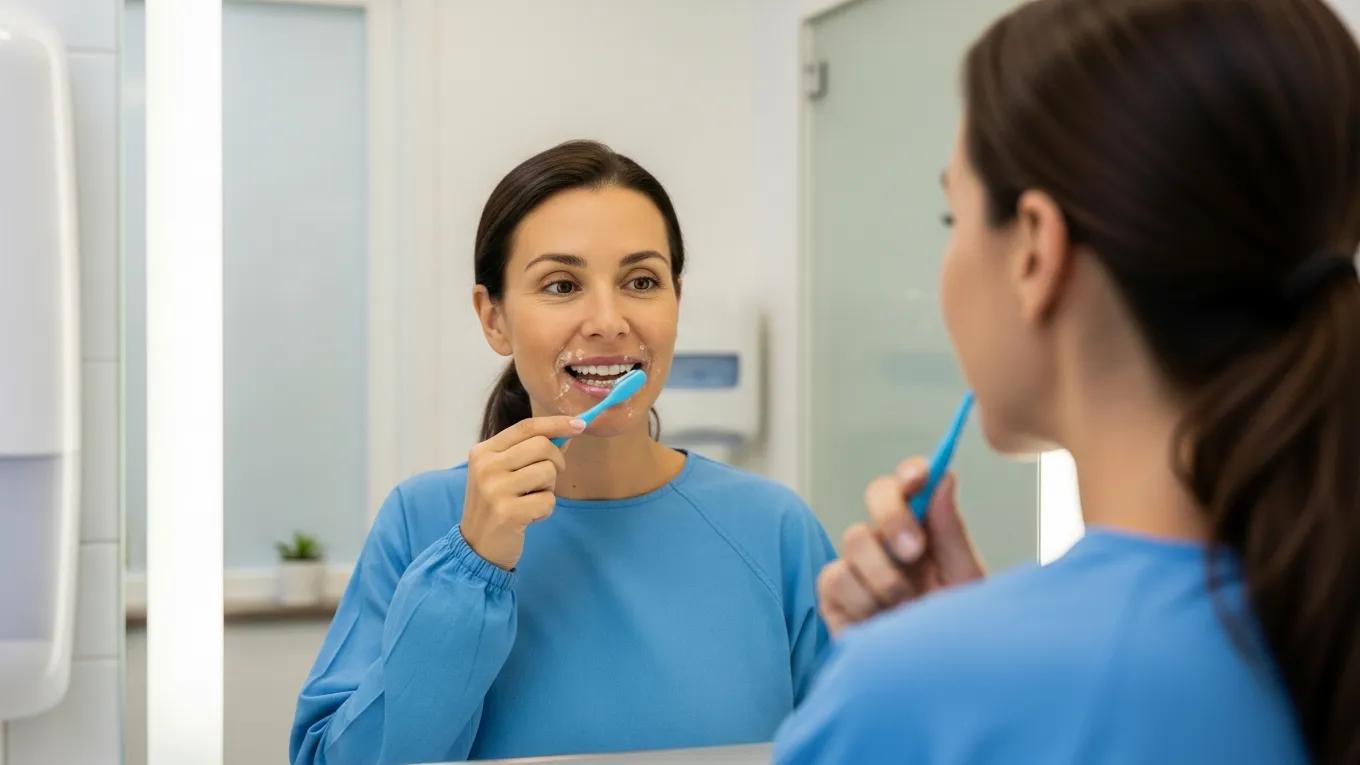
After dental implant surgery, proper care is crucial for successful healing. Key post-operative care instructions include:
- Oral Hygiene: Maintaining excellent oral hygiene is essential to prevent infection and ensure the longevity of the implant.
- Regular Check-Ups: Patients should schedule follow-up appointments to monitor the healing process and the condition of the implant.
- Monitoring for Complications: Being vigilant for any signs of complications, such as swelling or pain, is vital for early intervention.
Risks and Potential Complications
While dental implants are generally safe, there are potential risks associated with the procedure. These include:
- Infection Risks: As with any surgical procedure, there is a risk of infection at the implant site.
- Nerve Damage: Improper placement can lead to nerve damage, resulting in pain or numbness.
- Implant Failure: Factors such as insufficient bone density or poor oral hygiene can lead to implant failure.
Patients should discuss these risks with their periodontist to make informed decisions about their treatment.
Cost and Maintenance of Dental Implants in Brandywine, MD
The cost of dental implants in Brandywine, MD can vary based on the number of implants needed, the complexity of the procedure, and whether additional treatments such as bone grafting are required. Patients should also consider maintenance requirements, which include regular dental check-ups and proper oral hygiene practices to ensure the longevity of their implants.
Factors Influencing Dental Implant Procedure Costs in Brandywine MD
Several factors can influence the cost of dental implant procedures in Brandywine, MD. These include:
- Number of Implants Needed: The more implants required, the higher the overall cost.
- Complexity of Procedures: Additional procedures, such as bone grafting or sinus lifts, can increase costs.
- Financing Options: Many dental practices offer financing plans to help patients manage the cost of treatment.
Best Practices for Implant Maintenance and Longevity
To ensure the longevity of dental implants, patients should adhere to best practices for maintenance, including:
- Daily Oral Hygiene: Brushing and flossing regularly to prevent plaque buildup.
- Regular Dental Check-Ups: Scheduling routine visits to monitor the health of the implants and surrounding tissues.
- Monitoring for Complications: Being aware of any changes in the condition of the implants and seeking prompt care if issues arise.
Schedule a Dental Implant Consultation in Brandywine, MD
Dental implants provide a durable and natural-looking solution for restoring missing teeth and improving long-term oral health. With proper planning, periodontal care, and ongoing maintenance, dental implants can offer lasting function and confidence.
If you are considering dental implants, Vivian A. Sorkin DMD provides advanced periodontal implant treatment tailored to your oral health needs. Schedule a consultation to discuss treatment options, recovery, and long-term implant care.
Frequently Asked Questions About Dental Implants
How long do dental implants last?
With proper oral hygiene and regular dental check-ups, dental implants can last for decades and, in many cases, a lifetime. The crown attached to the implant may eventually need replacement due to normal wear over time.
Are dental implants painful?
Dental implant surgery is typically performed under local anesthesia, so patients usually feel little to no pain during the procedure. Mild swelling, soreness, and discomfort are common for a few days afterward and can usually be managed with medication and proper aftercare.
Can patients with gum disease get dental implants?
Yes, patients with gum disease may still qualify for dental implants, but the gum disease usually needs to be treated first. Healthy gums and adequate bone support are important for long-term implant success.
How much do dental implants cost in Brandywine, MD?
The cost of dental implants in Brandywine, MD depends on several factors, including the number of implants needed, the complexity of the case, and whether additional procedures like bone grafting or sinus augmentation are required.
What is recovery like after dental implant surgery?
Most patients return to normal daily activities within a few days after dental implant surgery. Initial healing typically takes one to two weeks, while the full integration of the implant with the jawbone can take several months