Periodontal health depends on accurate diagnosis. Gum disease, bone loss, and implant placement all require clear imaging of the structures below the gum line. In Brandywine, MD, digital scanning and modern imaging tools give dental providers a more detailed view of the mouth than older examination methods alone. For patients receiving periodontal care, this precision can mean earlier detection, more predictable treatment, and a more comfortable experience in the dental chair.
Digital scanning captures information about the teeth, gums, and supporting bone in a format that can be measured, compared, and monitored over time. When paired with a clinical exam, these images help a periodontist understand the true condition of the tissues and plan treatment accordingly.
What Digital Scanning Means for Periodontal Care
Traditional periodontal diagnosis relies on probing measurements and visual inspection. Digital scanning adds another layer of detail. An intraoral scanner creates a three-dimensional view of the dental arches, giving the clinician a clear picture of tooth position, gum contours, and existing restorations. This information is valuable for patients dealing with gum disease because the condition often changes the shape and support of the teeth over time.
Scanning also plays a meaningful role in treatment planning. When a patient is considering dental implants, the clinician needs to evaluate the quality and quantity of bone available. Digital imaging can reveal areas where bone may be insufficient and guide decisions about grafting. Similarly, patients undergoing gum grafting or cosmetic gum recontouring benefit from precise measurements of the gum tissue before the procedure begins.
Beyond diagnosis, digital records help track progress. A scan taken at the start of treatment can be compared with scans taken at later visits, allowing the provider to see whether the condition is stable, improving, or progressing. This kind of long-term monitoring supports the personalized approach that periodontal practices strive to offer.
Digital Scanning Options Available in Brandywine
Residents of Brandywine do not have to travel far for advanced dental imaging. Modern periodontal and dental practices use state-of-the-art technology to make diagnosis faster, more comfortable, and more precise for patients.
Intraoral Scanning at Local Dental Offices
Intraoral scanning allows the dental team to capture detailed digital images of the mouth without the discomfort that some patients associate with traditional impression materials.
Intraoral scanning is particularly useful in restorative and periodontal treatment because it produces a digital model that can be used for crowns, bridges, implant restorations, and other precise dental work. For the patient, the benefit is straightforward: no bulky trays, no gagging, and a faster process overall.
Digital X-Rays With Lower Radiation Exposure
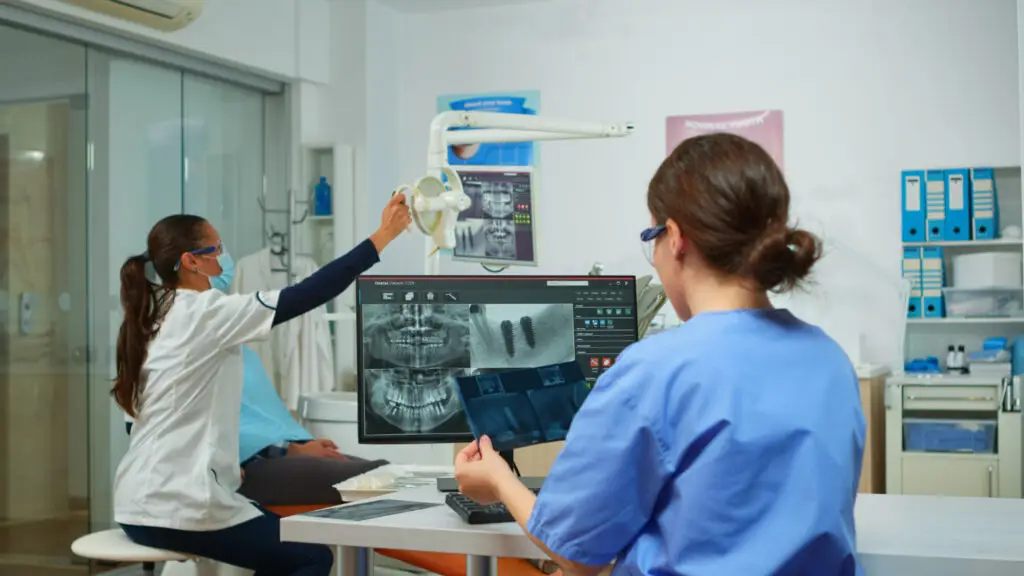
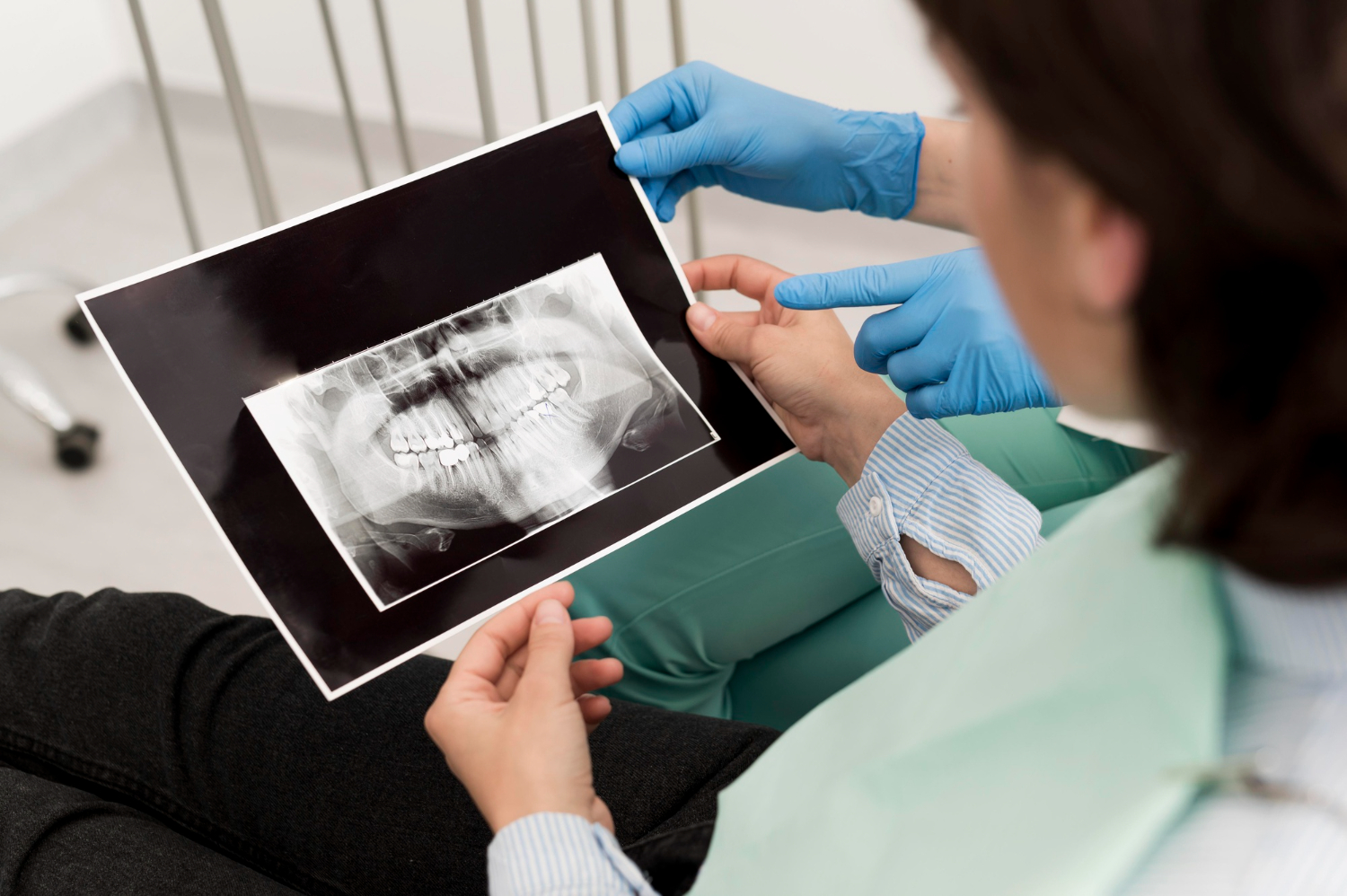
Digital X-rays are another important imaging tool in modern dental care. Digital X-rays not only use significantly less radiation than traditional film X-rays, but they also produce images that can be enhanced and reviewed instantly on a screen. This makes it easier for the dental team to explain findings to the patient and identify subtle changes in the bone around the teeth.
Lower radiation exposure can be especially beneficial for patients who need ongoing imaging to monitor periodontal disease. Because gum disease requires regular evaluation, digital imaging provides an efficient way to track changes in the teeth and supporting bone over time.
Advanced Diagnostic Imaging for Periodontal and Implant Care
Some periodontal and implant cases require imaging beyond what conventional dental X-rays can provide. Advanced diagnostic imaging can offer a more detailed view of the teeth, jawbone, gums, nerves, and surrounding structures.
CT and 3D imaging are often recommended before dental implant surgery because they show the bone in three dimensions. This allows the treatment team to evaluate available bone, identify important anatomical structures, and plan the precise position of the implant.
For Brandywine patients receiving periodontal or implant care, advanced digital imaging can make diagnosis and treatment planning more accurate while helping the dental team develop a treatment approach based on the patient’s individual needs.
Precision Diagnostics for Gum Disease and Implant Treatment
Periodontal care is a highly personalized field. Each patient presents with a unique combination of gum health, bone support, medical history, and cosmetic expectations. A periodontist uses diagnostic information to build a treatment plan around those individual factors.
Gum disease treatment often begins with non-surgical therapy designed to remove bacteria and tartar from the root surfaces. The success of this treatment depends on knowing exactly where the pockets are deepest and where the bone has been affected. Digital imaging combined with a thorough clinical exam gives the periodontist a useful map of the disease.
When the condition has advanced, laser therapy may be used to remove diseased tissue and bacteria with less trauma to healthy areas. Laser treatment requires precise targeting, and good diagnostic images help the clinician deliver therapy to the right locations. Patients who choose laser therapy often appreciate the reduced discomfort and faster recovery compared with traditional approaches.
Dental implants require an even higher level of planning. The implant must be placed in bone that is healthy enough to support it, and the final restoration must align properly with the surrounding teeth. Digital scanning and CT imaging help the surgical team plan every step. For patients missing one tooth or several teeth, this planning can be the difference between a predictable outcome and one that requires revision.
Gum grafting is another procedure that benefits from careful measurement. The periodontist must determine how much tissue is needed, where the graft should be placed, and how the result will look. Digital records make it easier to communicate these details and to document the outcome for follow-up comparisons.
Cosmetic gum recontouring also relies on precise imaging. Patients who feel that their gum line is uneven or too prominent may choose this procedure to reshape the tissue around the teeth. Before treatment, the clinician studies the relationship between the gums, teeth, and lips to create a balanced result.
Digital Scanning Beyond the Dental Chair
Digital scanning in Brandywine goes beyond traditional dental impressions. Modern dental technology allows professionals to capture detailed digital images of the teeth, gums, and supporting structures, making diagnosis and treatment planning more precise and comfortable.
Digital scans can be especially useful for restorative, periodontal, and dental implant treatment. They help create accurate digital models that allow the dental team to evaluate oral structures and plan procedures based on each patient’s specific needs.
When combined with digital X-rays and other diagnostic tools, scanning provides valuable information about a patient’s oral health. These technologies can support more informed treatment decisions while making the overall dental care experience more efficient.
The Patient Experience With Digital Diagnostics
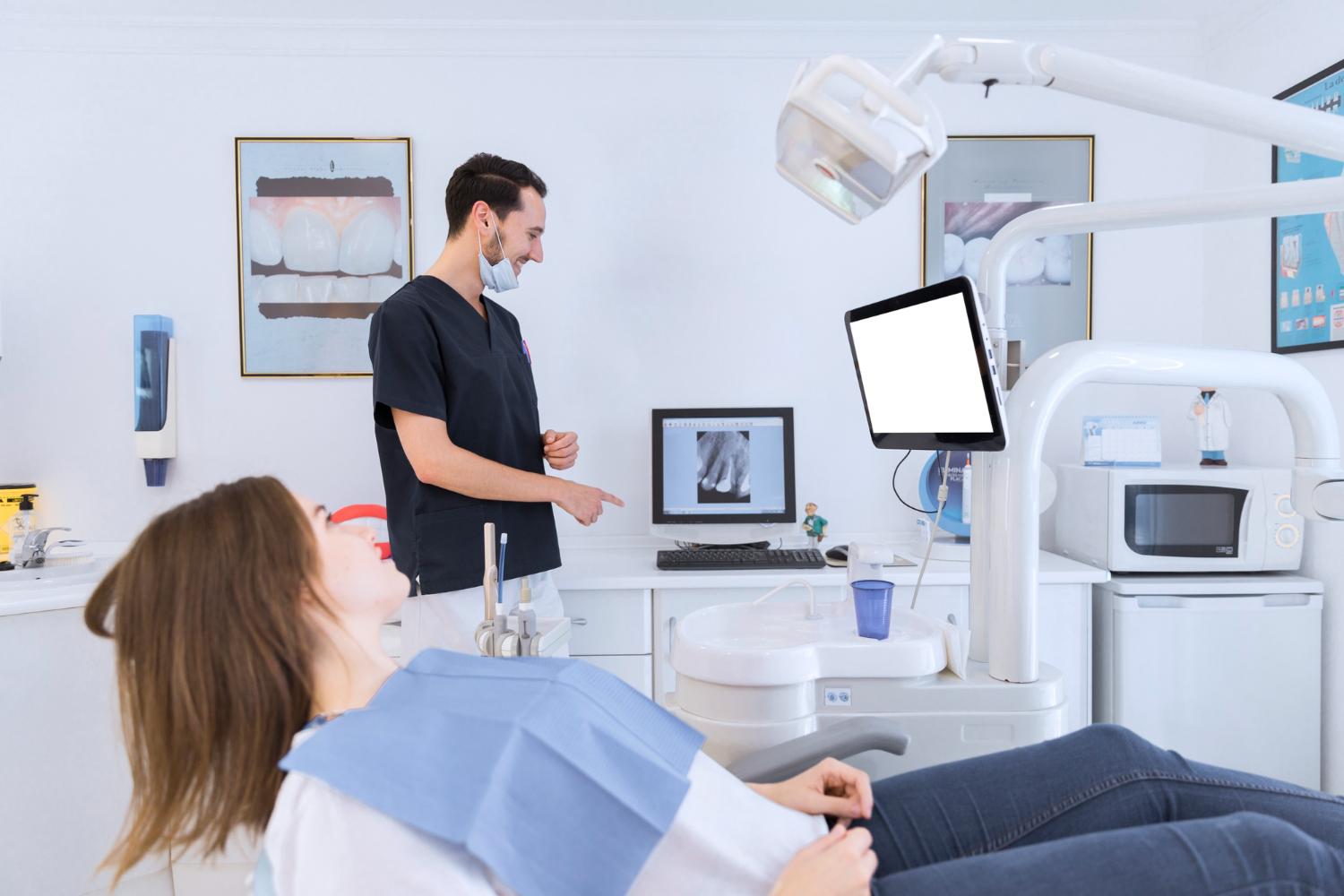
For many patients, digital scanning makes dental visits more comfortable and informative. Images can be viewed immediately, allowing the dental team to explain areas of concern and discuss recommended treatment more clearly.
Comfort is especially important during periodontal treatment. Sedation options and modern safety measures can help patients feel more relaxed during longer or more complex procedures.
Digital diagnostics also support more precise treatment planning for procedures such as dental implants and gum grafting. However, imaging is only one part of a complete periodontal evaluation. A patient’s medical history, clinical examination, and individual needs are also important when developing the right treatment plan.
Choosing the Right Provider in Brandywine
When researching periodontal care in Brandywine, patients should ask about the technology used in the practice. Questions about intraoral scanning, digital X-rays, and access to advanced imaging can reveal how a practice approaches diagnosis. A provider who embraces digital tools is often better equipped to detect problems early, plan treatments with precision, and document results clearly over time.
It is also fair to ask about the provider’s approach to patient comfort. Periodontal procedures can range from simple cleanings to surgical implant placement. A practice that offers sedation options and emphasizes patient safety is prepared to handle both routine visits and complex cases with equal attention.
Brandywine residents have access to dental offices with state-of-the-art equipment and local radiology centers that support advanced imaging needs. That combination means a patient can receive a full diagnostic workup without leaving the community. From the first scan to the final follow-up, digital technology helps keep the entire treatment journey connected and well documented.
For anyone experiencing signs of gum disease, such as bleeding while brushing, persistent bad breath, receding gums, or loose teeth, a periodontal evaluation is the appropriate next step. Digital scanning can reveal what is happening below the surface and guide a treatment plan built on facts rather than guesswork.
Frequently Asked Questions
Is digital dental scanning the same as a CT scan?
No. Digital dental scanning, including intraoral scanning, captures the visible surfaces of the teeth and gums. A CT scan, such as those available at MedStar Health Radiology at Brandywine, provides three-dimensional images of the bone and internal structures. Periodontal practices use both types of imaging depending on what the diagnosis requires.
Does intraoral scanning replace traditional dental X-rays?
Intraoral scanning does not replace X-rays. It records the shape of the teeth and gums, while X-rays show the health of the bone and the areas between the teeth. Digital X-rays, which use 90 percent less radiation than traditional film X-rays, remain an important tool for detecting bone loss and other hidden conditions.
How does digital scanning help with dental implants?
Digital imaging gives the surgical team a detailed view of the bone where the implant will be placed. CT scans, available locally through MedStar Health Radiology at Brandywine, help clinicians measure bone density and identify important structures before surgery. This level of planning supports a more predictable implant outcome.
Conclusion
Digital scanning in Brandywine, MD makes periodontal diagnosis and treatment planning more precise, comfortable, and personalized. From gum disease evaluations to dental implants and gum grafting, advanced imaging helps periodontists understand your oral health and recommend appropriate care. If you notice bleeding gums, receding gums, persistent bad breath, or loose teeth, do not delay treatment. Contact Sorkin Perio today to schedule a comprehensive periodontal evaluation and learn how modern technology can support healthier gums, stronger teeth, and improved long-term oral health. Take the first step toward a confident, comfortable smile.