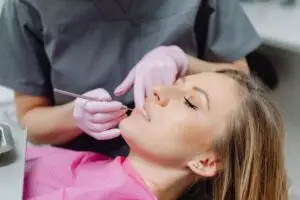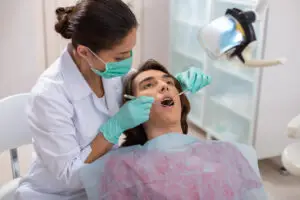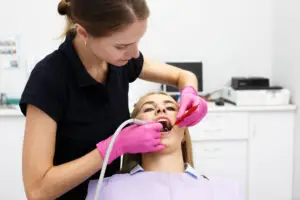
An unexplained sore, lump, or patch inside the mouth is easy to postpone. It may not hurt, it may fade and return, and it is difficult to inspect without a mirror and good lighting. The trouble is that the surface of a lesion tells you very little about the tissue underneath. When a sore, lump, or patch inside the mouth will not settle, examining the tissue under a microscope is the only way to know exactly what it is. That is what an oral biopsy is for.
For patients in Brandywine, Maryland, a biopsy is usually a short, straightforward step within a larger evaluation. It converts uncertainty into a clear answer, and that answer determines everything that follows: monitoring, treatment, or reassurance that nothing further is needed.
What an Oral Biopsy Actually Is
A biopsy is a procedure that removes a small sample of tissue or bone so it can be examined in a laboratory. A tissue or bone biopsy may be necessary to assess for dental or non-dental pathology, which is a broad category covering conditions that originate in the mouth as well as those that affect it from elsewhere in the body.
Oral biopsies help detect oral cancer and other diseases, and they can support earlier, more preventive treatment when something abnormal is found. The sample itself is small, and the procedure is described by clinicians as short and straightforward. The value is not in the size of the sample but in the certainty it provides.
Why Your Dentist or Periodontist May Recommend One
Not every mouth sore needs a biopsy. Many resolve on their own. A biopsy is typically suggested when a finding cannot be explained by a simpler cause or does not behave the way a harmless irritation should.
- A sore, lump, or patch inside the mouth that will not settle over time
- Soft tissue changes discovered during a routine oral cancer screening
- Signs of periodontal disease that need a definitive diagnosis rather than a visual guess
- A tissue or bone abnormality that requires laboratory confirmation to identify
- An area that looks unusual enough that watching and waiting is not the safer choice
Often the recommendation is precautionary. Most biopsies come back without a serious finding, but the only way to know which situation you are in is to look at the cells themselves.
Who Performs Oral Biopsies for Brandywine Patients
Biopsies of the mouth are performed by clinicians trained in evaluating oral soft tissue and bone, including periodontists and oral and maxillofacial surgeons. Patients in the Brandywine area have access to both. Board-certified oral and maxillofacial surgeons serve Brandywine and Southern Maryland, with surgical practices located roughly 10 miles from the community, and those practices also treat patients from surrounding Charles County areas.
Periodontal practices handle biopsies as well. At Sorkin Periodontics & Implant Dentistry in Brandywine, oral cancer screening and biopsy are part of a broader set of additional services that also includes tooth extraction, periodontal surgery, gum grafting, and bone grafting. The practice is led by Vivian A. Sorkin, D.M.D., and is located at 7704 Matapeake Business Dr STE 175, Brandywine, MD 20613.
What Happens During the Appointment
The appointment usually begins with a conversation and an examination rather than the procedure itself. A typical visit follows a predictable sequence.
- Review of your health history, medications, and any changes you have noticed in your mouth
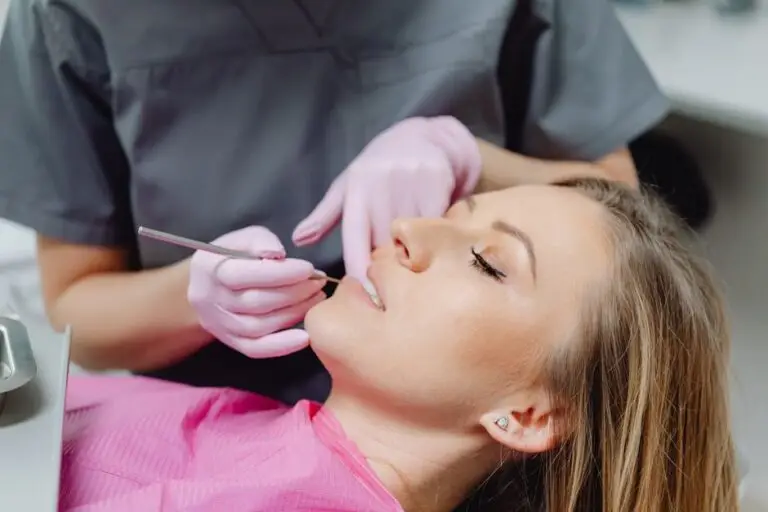
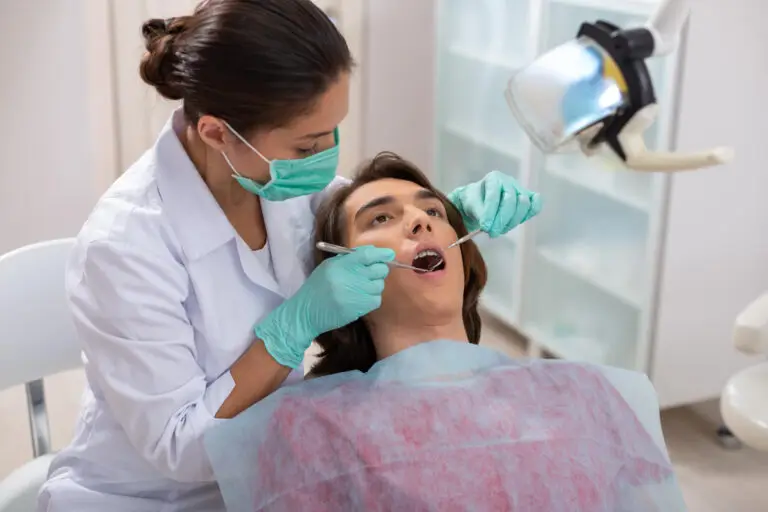
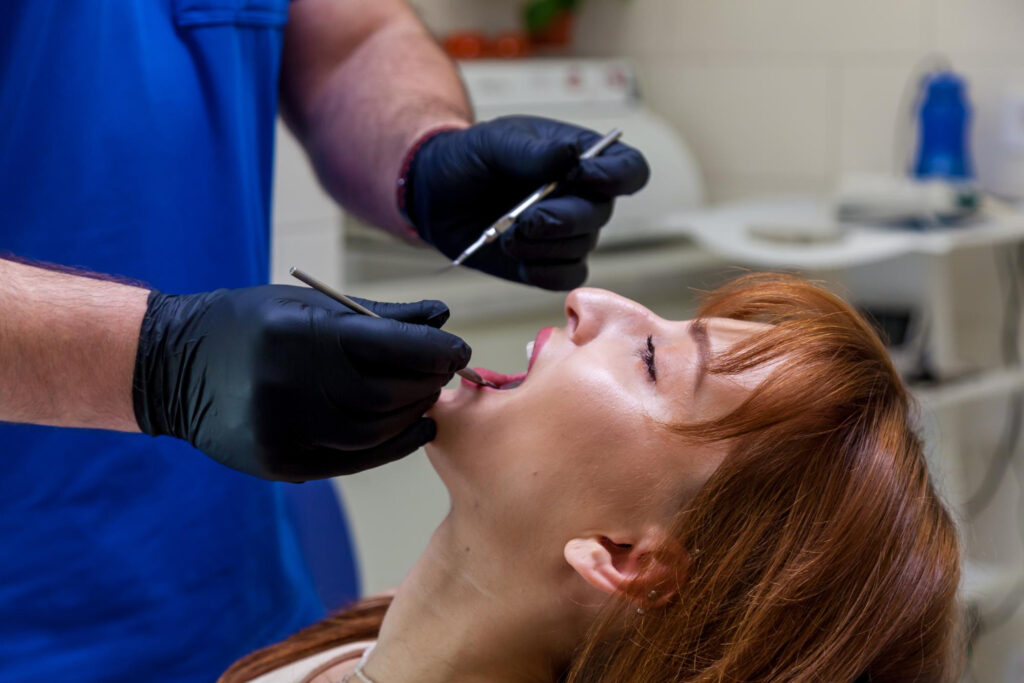
- Visual and physical examination of the area in question, along with surrounding tissue
- Discussion of why a biopsy is recommended and what the sample will be tested for
- Collection of the tissue or bone sample
- Instructions for the days afterward and an explanation of how results will reach you
Comfort is a real consideration, and it is reasonable to ask about it in advance. Sorkin Periodontics offers oral sedation to help patients stay relaxed and anxiety free during procedures, and the practice emphasizes comfort and patient safety. The practice also uses advanced techniques such as digital scanning and CT scans for precise diagnosis and treatment planning, which can help clarify what is being evaluated before any sample is taken.
After the Procedure: What to Watch For
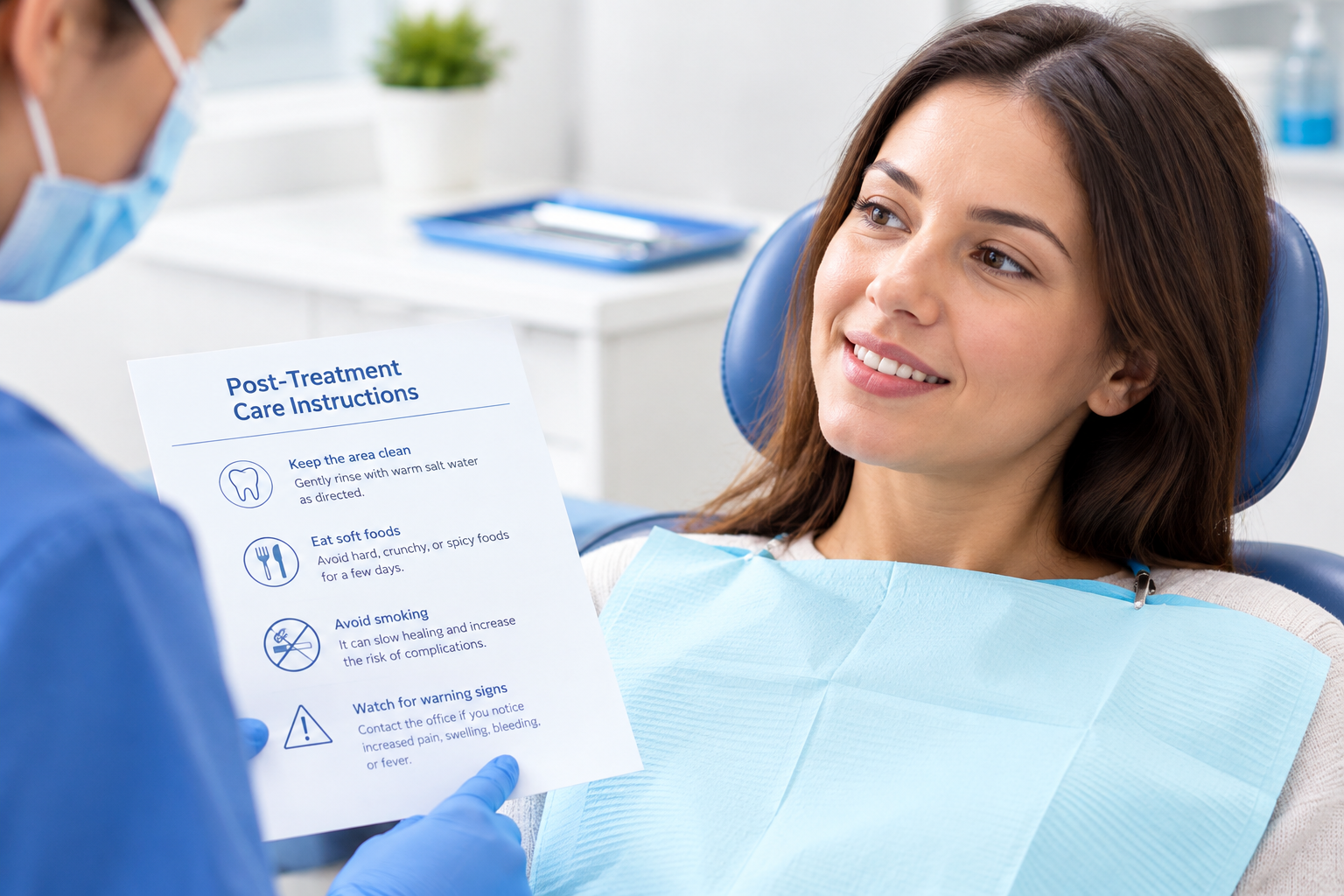
The biopsy site is usually small, and most people return to normal routines quickly. Your clinician will give you specific aftercare instructions for your situation, and following them closely is the simplest way to keep healing on track. General guidance for any minor oral procedure includes keeping the area clean, eating gently for a short period, and avoiding habits that irritate healing tissue.
Contact the office if you notice bleeding that will not stop, pain that worsens instead of improving, swelling that increases, or a fever. These are not expected parts of normal healing, and reporting them early is always the right call.
From Sample to Answer: How Results Are Determined
Once collected, the sample is examined under a microscope. This step is where the diagnosis is actually made. The pathologist looks at the cells and tissue structure and reports what the sample is, which is information no visual exam can provide on its own.
Results then come back to the clinician who performed the biopsy, who reviews them with you and explains what they mean in plain terms. From there, the path forward depends on the finding. Options typically include routine monitoring, treatment of a specific condition, additional testing, or referral for specialized care. If nothing concerning is found, you leave with confirmation rather than a question mark, which is its own kind of relief.
How a Biopsy Fits With Oral Cancer Screening
Oral cancer screening and biopsy are related but distinct steps. Screening is the routine check of the soft tissues of the mouth for anything out of the ordinary. A biopsy is what happens when screening or a patient’s own observation turns up something that needs a definitive answer. Screening makes early detection possible, and a biopsy confirms whether there is anything to detect.
Because oral cancer and other conditions can develop quietly, screening is most useful when it happens on a regular schedule rather than only after a problem becomes obvious. If you have noticed anything out of the ordinary with the soft tissues of your mouth, that observation alone is a good reason to schedule an evaluation.
Cost, Insurance, and Timing: What to Confirm Directly
Three practical questions come up in nearly every conversation about oral biopsies: what it costs, whether insurance covers it, and how long results take. Answers vary by practice, by the specific area being sampled, and by your individual plan, so the reliable path is to ask directly rather than assume.
Ask the office about fees and payment options before the appointment, and ask your dental or medical insurer how biopsy and pathology services are handled under your coverage. For timing, ask the practice when they expect results to return for the type of sample being taken. Getting these answers up front removes most of the anxiety that surrounds the procedure.
Questions to Ask Before and After Your Biopsy
- What exactly are you testing for, and what will the result tell us?
- Will the entire area be sampled, or only a portion of it?
- What should I expect afterward, and what would be a sign to call you?
- How will I be contacted with results, and when should I follow up if I have not heard?
- If the result requires treatment, what are the next steps?
Writing these down before your visit helps. A biopsy appointment moves quickly, and having questions prepared means you leave with the information you came for.
Frequently Asked Questions
What is an oral biopsy?
An oral biopsy is a procedure that removes a small sample of tissue or bone from the mouth so it can be examined under a microscope. A tissue or bone biopsy may be necessary to assess for dental or non-dental pathology. It is a short, straightforward procedure that provides a definitive diagnosis rather than an educated guess.
Why would I need an oral biopsy?
A biopsy is usually recommended when a sore, lump, or patch inside the mouth will not settle, when a screening turns up something unusual, or when periodontal disease or another condition needs confirmation. Oral biopsies help detect oral cancer and other diseases, which allows treatment to begin earlier when it is most effective.
Is an oral biopsy painful?
Comfort experiences vary from person to person, and the practice you choose will explain what to expect for your specific situation. Sorkin Periodontics offers oral sedation to help patients remain relaxed and anxiety free during procedures. If comfort is a concern for you, raise it during your consultation so it can be addressed in advance.
How long do results take to come back?
Turnaround depends on the type of sample and the laboratory processing it, so the most accurate answer comes from the practice performing your biopsy. Ask when you can expect to hear back, and ask who will contact you. If you have not received results by the expected date, follow up with the office.
Does dental insurance cover an oral biopsy?
Coverage depends on your specific plan and how the procedure is classified, so verification is the only reliable answer. Contact your insurer before the appointment and ask how biopsy and pathology services are handled under your policy. The practice office can also help you understand fees and payment options ahead of time.
Get an Oral Biopsy Evaluation in Brandywine, MD
An unexplained sore, lump, patch, or other change in your mouth should not be ignored when it persists or keeps returning. An oral biopsy can provide the clear diagnosis needed to determine the appropriate next step, whether that means monitoring, treatment, or further evaluation. If you have noticed an unusual change in your oral tissue, contact Sorkin Perio in Brandywine, MD, to schedule an evaluation and discuss whether an oral biopsy is right for you.