Frequently Asked Questions
What advanced periodontal treatments are available?
Advanced periodontal treatments available include scaling and root planing, gum grafting, pocket reduction surgery, and dental implants, all designed to restore gum health and enhance overall oral function.
How can I improve my oral health?
Improving your oral health involves maintaining a consistent oral hygiene routine, including brushing twice daily, flossing regularly, and visiting your periodontist for check-ups and professional cleanings.
What should I know about dental implants?
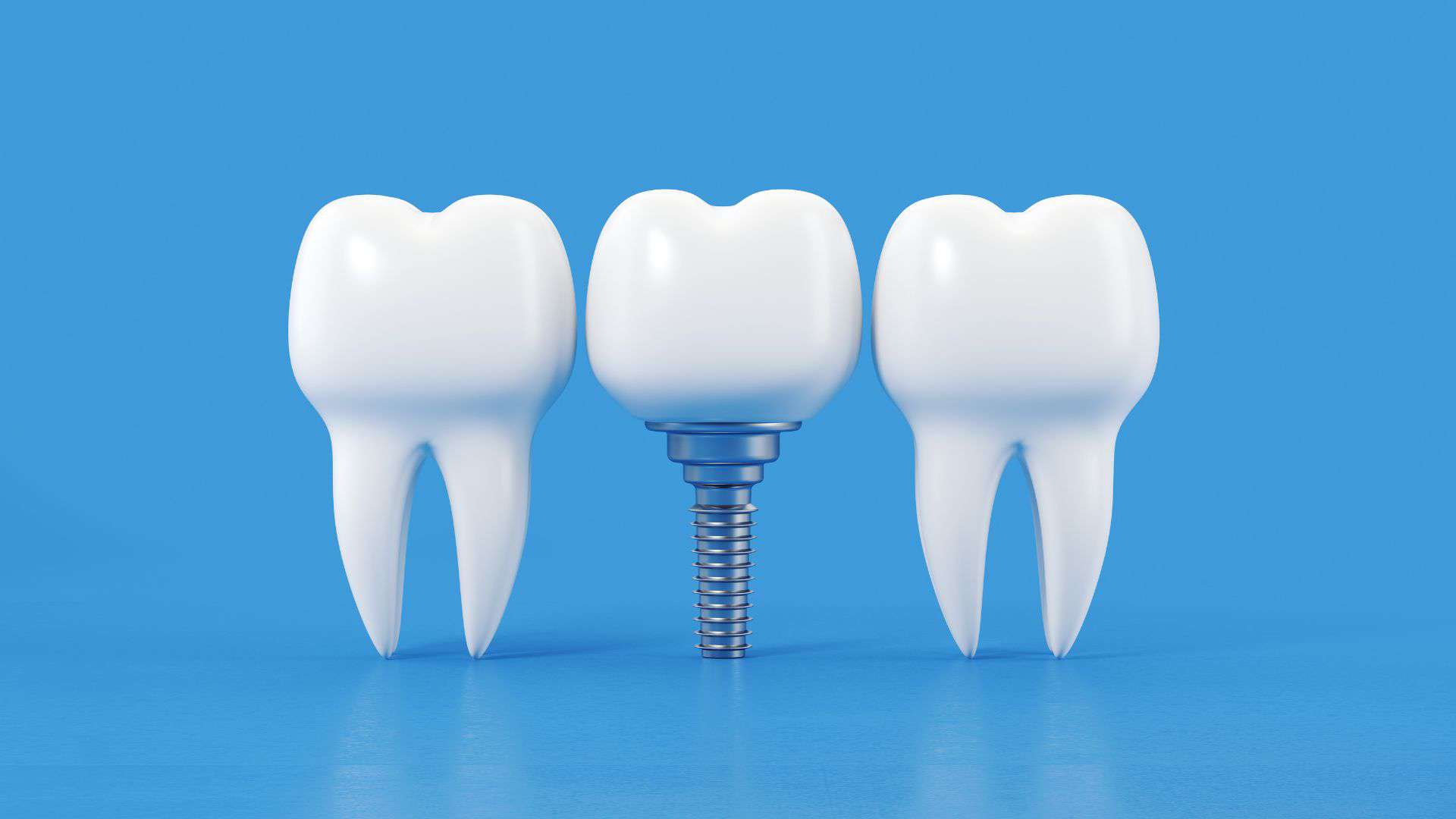
Dental implants are a durable and effective solution for replacing missing teeth, offering a natural appearance and improved functionality. They require a surgical procedure for placement and proper aftercare for optimal healing and longevity.
What advanced techniques are used in periodontal treatments?
Advanced techniques used in periodontal treatments include laser therapy, regenerative procedures, and minimally invasive surgery. These methods enhance healing, reduce discomfort, and improve treatment outcomes for patients seeking optimal oral health.
How often should I visit for oral health check-ups?
The frequency of oral health check-ups is essential for maintaining optimal dental health. It is generally recommended to visit your periodontist every six months for routine check-ups and cleanings, though some patients may require more frequent visits based on individual needs.
What are the risks of dental implants?
The risks of dental implants include infection, nerve damage, sinus problems, and implant failure. It's essential to discuss these potential complications with your periodontist to ensure a safe and successful procedure.
How do I maintain my oral health at home?
Maintaining your oral health at home involves regular brushing and flossing, a balanced diet, and routine dental check-ups. Additionally, using mouthwash and avoiding tobacco products can significantly enhance your overall oral hygiene.
What is the recovery time for dental implants?
The recovery time for dental implants typically ranges from a few weeks to several months, depending on individual healing and the complexity of the procedure. Most patients can resume normal activities within a few days.
Are there non-surgical options for periodontal care?
Non-surgical options for periodontal care include scaling and root planing, antimicrobial treatments, and laser therapy, which effectively address gum disease and improve oral health without the need for surgical intervention.
How can periodontal disease affect overall health?
Title Tag: Impact of Periodontal Disease on Overall Health
Periodontal disease can significantly impact overall health by increasing the risk of systemic conditions such as heart disease, diabetes, and respiratory issues, as inflammation from gum disease can affect other parts of the body.
What are the signs of gum disease?
The signs of gum disease include swollen or bleeding gums, persistent bad breath, gum recession, and loose teeth. Early detection is crucial for effective treatment and maintaining oral health.
How do dental implants improve quality of life?
Dental implants significantly improve quality of life by restoring functionality and aesthetics to your smile. They enhance chewing ability, boost self-confidence, and contribute to better oral health, allowing for a more comfortable and fulfilling daily life.
What should I expect during a periodontal consultation?
What to expect during a periodontal consultation includes a thorough examination of your gums and teeth, a discussion of your dental history, and personalized treatment recommendations tailored to your oral health needs.
How can I prevent gum disease effectively?
Effective prevention of gum disease involves maintaining a consistent oral hygiene routine, including brushing twice daily, flossing regularly, and scheduling routine dental check-ups for professional cleanings.
What materials are used in dental implants?
The materials used in dental implants primarily include titanium, known for its biocompatibility and strength, and zirconia, a ceramic alternative that offers aesthetic benefits. Both materials ensure durability and promote successful integration with the jawbone.
How do I choose the right periodontal treatment?
Choosing the right periodontal treatment involves assessing your specific oral health needs, consulting with a qualified periodontist, and considering the recommended options tailored to your condition. Dr. Sorkin can guide you through this process for optimal results.
What are the benefits of regular dental cleanings?
The benefits of regular dental cleanings include the prevention of gum disease, removal of plaque and tartar, and early detection of dental issues. These cleanings contribute to better oral health, fresher breath, and an overall enhanced well-being.
How can I manage dental anxiety during treatments?
Managing dental anxiety during treatments can be achieved through various strategies. Consider deep breathing exercises, discussing your concerns with Dr. Sorkin, or utilizing relaxation techniques to create a more comfortable experience.
What is the cost range for dental implants?
The cost range for dental implants typically varies between $3,000 and $4,500 per implant, depending on factors such as the complexity of the case and additional procedures needed.
How do I know if I need periodontal treatment?
The signs that indicate you may need periodontal treatment include persistent gum inflammation, bleeding during brushing, receding gums, or bad breath. If you experience any of these symptoms, it's essential to consult a periodontist for evaluation and care.
What lifestyle changes can enhance oral health?
Lifestyle changes that can enhance oral health include maintaining a balanced diet rich in vitamins and minerals, practicing regular brushing and flossing, staying hydrated, avoiding tobacco products, and scheduling routine dental check-ups for proactive care.
How long do dental implants typically last?
Dental implants typically last between 10 to 15 years, and with proper care and maintenance, they can even last a lifetime. Regular dental check-ups and good oral hygiene are essential for their longevity.
What are the latest advancements in periodontal care?
The latest advancements in periodontal care include minimally invasive surgical techniques, regenerative therapies using growth factors, and advanced imaging technologies that enhance diagnosis and treatment planning, ensuring improved outcomes for patients' oral health.
How can I improve my brushing technique?
Improving your brushing technique involves using a soft-bristled toothbrush at a 45-degree angle to your gums, brushing in gentle circular motions for at least two minutes, and ensuring you cover all surfaces of your teeth.
What foods promote better oral health?
Foods that promote better oral health include crunchy fruits and vegetables like apples and carrots, dairy products rich in calcium, and nuts. These foods help strengthen teeth, stimulate saliva production, and reduce harmful bacteria in the mouth.
How does smoking affect periodontal health?
Smoking's Impact on Periodontal Health
Smoking adversely affects periodontal health by impairing blood flow, reducing healing capacity, and increasing the risk of gum disease. Smokers are more likely to experience severe periodontal issues, leading to tooth loss and other complications.
What are the stages of periodontal disease?
The stages of periodontal disease are: gingivitis, characterized by gum inflammation; slight periodontitis, where attachment loss begins; moderate periodontitis, with increased tissue destruction; and advanced periodontitis, leading to significant tooth loss and potential systemic health issues.
How can I ensure my dental implants are successful?
To ensure the success of your dental implants, maintain excellent oral hygiene, attend regular dental check-ups, and follow your periodontist's post-operative care instructions diligently.
What is the role of genetics in oral health?
The role of genetics in oral health is significant, as inherited traits can influence susceptibility to gum disease, tooth decay, and other dental conditions, highlighting the importance of personalized care in periodontal treatments.
How can I find a qualified periodontist?
To find a qualified periodontist, consider seeking referrals from your general dentist, checking online reviews, and verifying credentials through professional associations. Additionally, ensure the periodontist has experience with your specific dental needs.