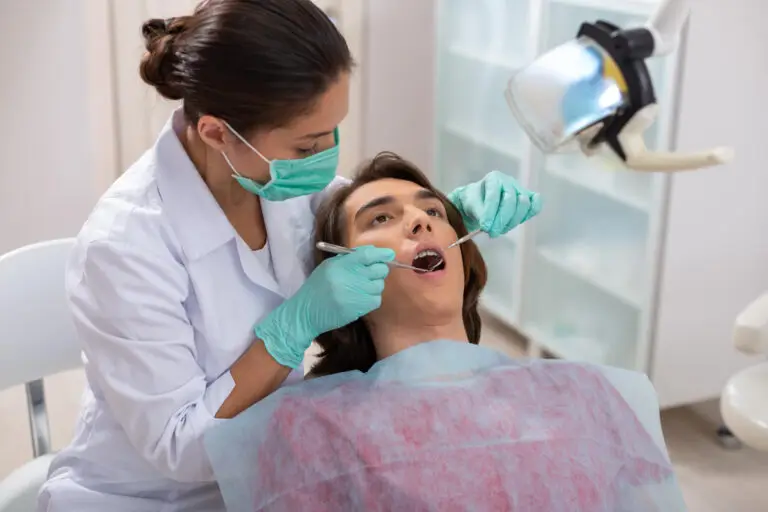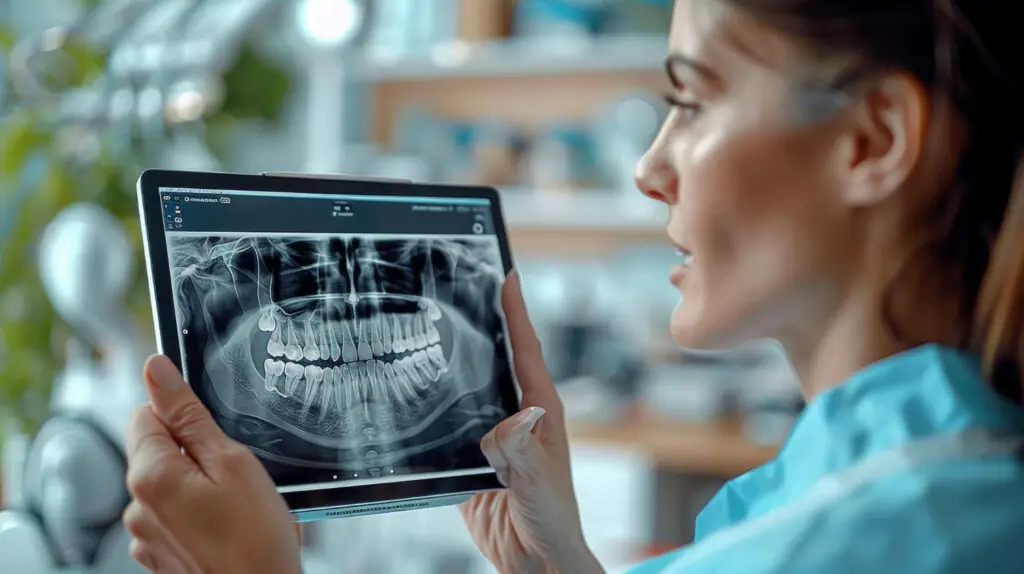
Periodontal health depends on accurate diagnosis. Gum disease, bone loss, and dental implant placement all require clear imaging of the structures below the gum line. Those areas cannot be evaluated with the naked eye or with a basic visual exam alone. In Brandywine, MD, digital scanning gives periodontists a detailed view of the teeth, gums, and jawbone so that treatment decisions are based on precise information.
If a periodontist has recommended a digital scan, you may wonder what will happen during the appointment. The process is simpler than many patients expect. It uses modern dental technology to capture images that support an accurate diagnosis and a personalized treatment plan. Knowing what to expect can make your visit more comfortable and help you feel confident about the next steps.
Why a Periodontist Recommends a Digital Scan
Digital scanning in Brandywine, MD helps improve periodontal diagnosis, treatment planning, and dental implant care. The main advantage is precision. Traditional exams can show the surface of the teeth, but periodontal disease affects the supporting bone and soft tissue. A digital scan reveals those deeper structures, giving the periodontist the full picture before any treatment begins.
At the office of Vivian A. Sorkin, D.M.D., digital scanning is part of a broader set of advanced diagnostic tools. The practice offers CT dental scanning, digital scanning, and digital diagnostics to support every stage of periodontal care. These tools help identify gum disease, measure bone loss, and plan dental implant placement with clear three-dimensional images.
A digital scan may be recommended when you have:
- Signs of gum disease, including tender gums or bleeding while brushing
- Bone loss that needs to be measured carefully
- A need for dental implant planning or placement
- A condition that may benefit from precise laser therapy
Before the Scan: What Happens First
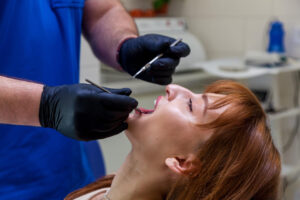
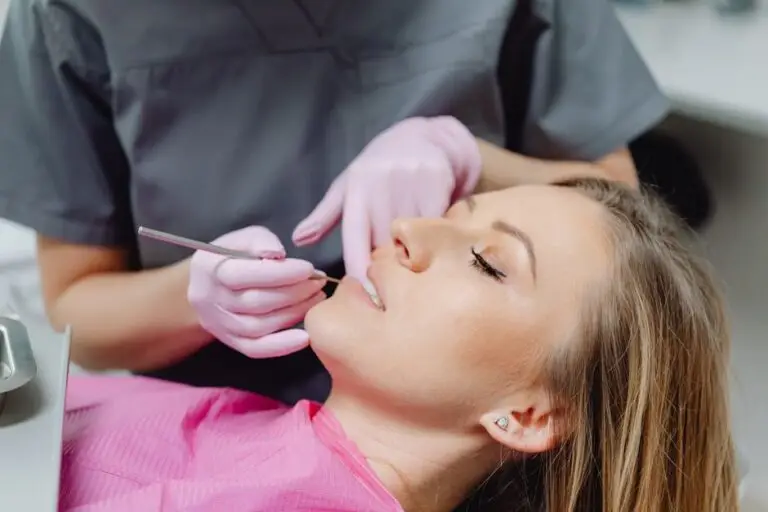
Your appointment begins with a periodontal evaluation at Sorkin Perio in Brandywine. The periodontist will discuss your oral health, symptoms, and any concerns you may have, such as gum inflammation, bleeding, or gum recession. This information helps determine which type of imaging or diagnostic approach may be appropriate for your specific periodontal needs.
If you have concerns about dental anxiety or discomfort, sedation options may also be discussed. The clinical team will explain the recommended steps and answer your questions before the scan begins, helping you feel informed and comfortable throughout your visit.
What Happens During an Intra-Oral Digital Scan
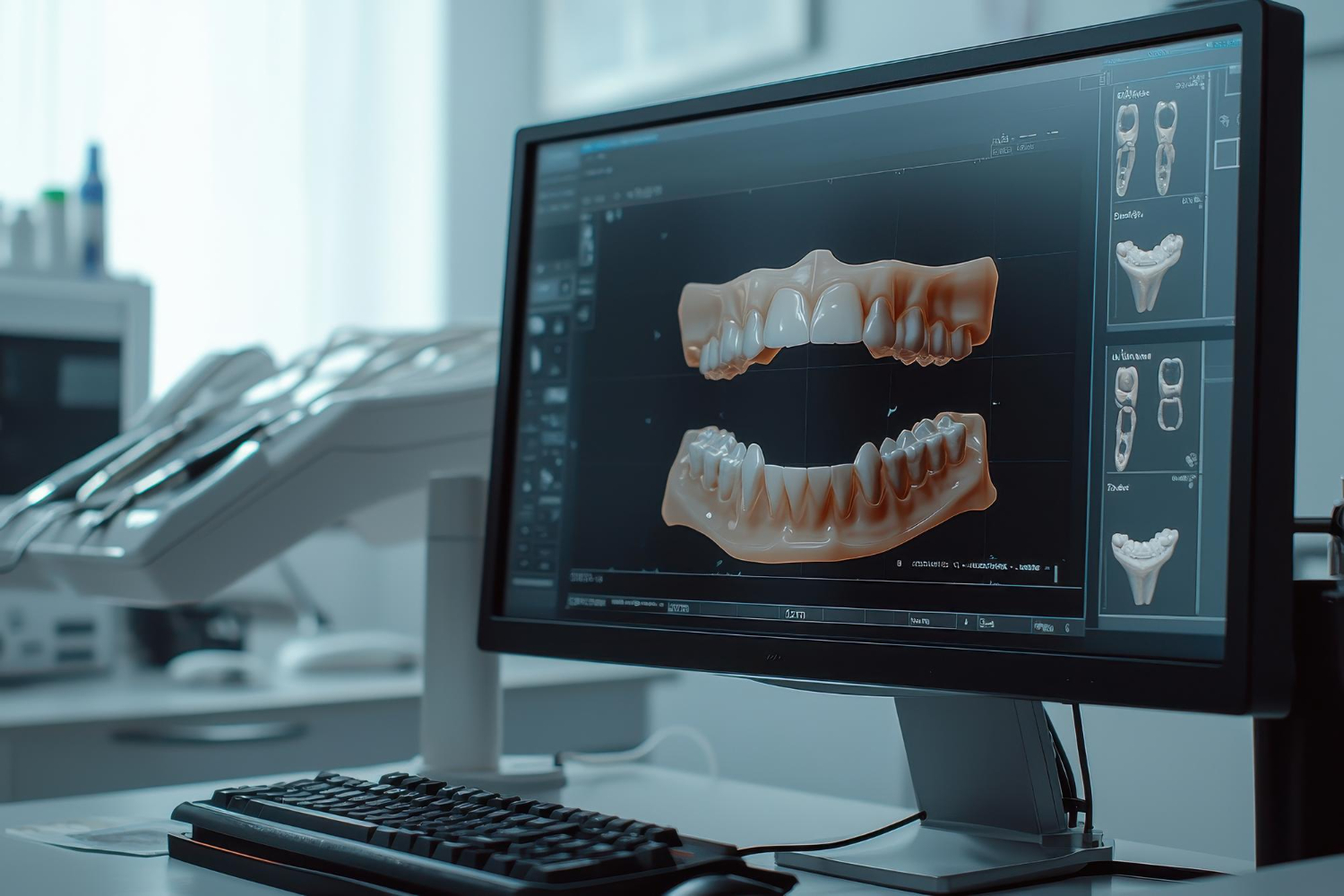
The intra-oral scan is the part most people associate with digital impressions. Instead of traditional putty materials, the periodontist uses a small handheld wand with a tiny camera. The wand moves gently along the teeth and gum line, capturing hundreds of detailed images that are combined into a digital model of your mouth.
This part of the scan helps the periodontist examine the crowns of the teeth, the contours of the gums, and any areas of concern. Intra-oral scanning is known for improving patient comfort during the imaging process. There is no impression tray and no need to bite down on uncomfortable material. The images appear on a screen almost immediately, so you can see what the periodontist is seeing in real time.
What Happens During a CT Dental Scan
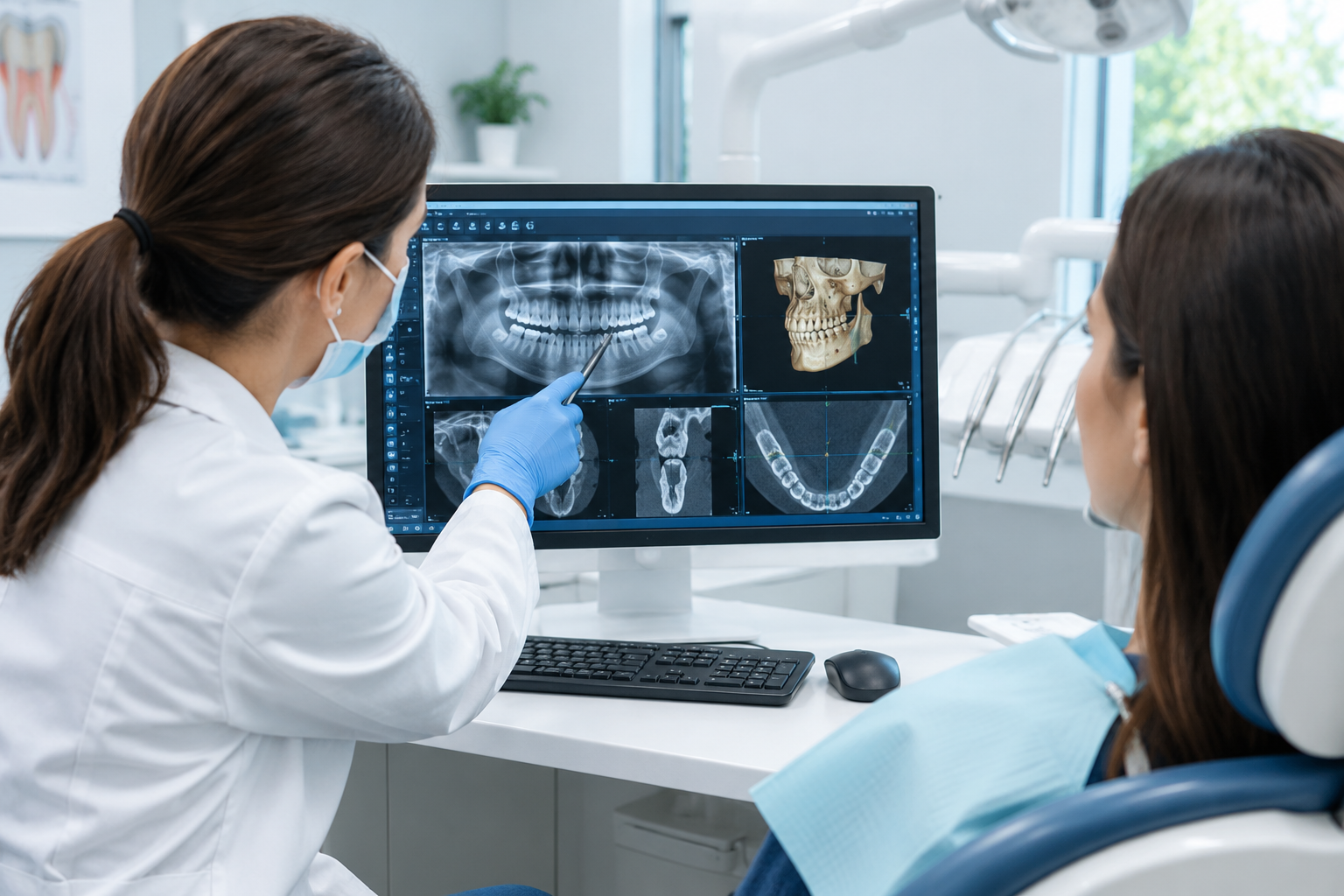
A CT dental scan adds a three-dimensional perspective. This type of imaging is often described as CT scan 3D digital imaging. It creates detailed views of the teeth, the jawbone, and the surrounding structures. For periodontal care, this is especially useful when the periodontist needs to evaluate bone in three dimensions rather than relying on flat images alone.
During the scan, you remain still while the imaging equipment works around your head. The scan is non-invasive, and there is no contact with the teeth or gums. The resulting images show areas that may not appear clearly on standard dental X-rays. For patients considering dental implants, the CT scan gives the periodontist the precise information needed to assess the jawbone and plan the best position for the implant.
After the Scan: Diagnosis and Treatment Planning
Once the images are captured, the periodontist reviews them to make a diagnosis. Because digital images can be examined closely and from different angles, your treatment plan is built around your actual anatomy. This is the point where modern technology and clinical judgment come together.
Depending on what the scan reveals, your personalized treatment plan may include a number of options. Non-surgical gum disease treatment, Fotona Twinlight laser therapy, gum grafting, and dental implant placement are all part of periodontal care at this Brandywine practice. The scan results guide which approach is most appropriate and allow the periodontist to explain the reasoning clearly. Digital scanning is therefore more than just an image. It is the starting point for care that is targeted, accurate, and tailored to you.
Other Reasons You May Be Referred for Imaging
Not every periodontal visit requires every type of scan. The periodontist will determine which images are needed based on your symptoms, your dental history, and the procedure being considered. Some patients need only an intra-oral scan, while others benefit from a full CT dental scan before implant surgery.
If you have been living with sore gums, bleeding during brushing, or a feeling that something has changed in your mouth, a digital scan can uncover the cause. Early and precise diagnosis gives you the best chance of protecting your teeth and supporting bone. Putting off imaging only allows gum disease to progress silently beneath the surface.
A Periodontist Who Combines Technology with Personal Care
Dr. Vivian A. Sorkin is the only female periodontist in the Brandywine area, and her practice is built around personalized periodontal care. That means the technology is used in support of a treatment plan designed for you, rather than a one-size-fits-all approach. From digital scanning and CT imaging to oral sedation and laser therapy, the goal is care that is comfortable, accurate, and respectful of your needs.
The office is easy to reach for patients in Brandywine, MD, and the surrounding communities. To schedule an appointment, call (301) 643-2020 or email [email protected]. You can discuss your concerns, ask questions about the digital scan, and find out which diagnostic steps are recommended for your specific situation.
Frequently Asked Questions
Is a digital scan painful?
Digital scans are generally comfortable. Intra-oral scanning uses a small wand that moves gently along the teeth, and many patients find it more comfortable than older impression methods. CT dental scans are non-invasive and only require you to stay still while the machine captures the images. If you are nervous about any part of the process, oral sedation options are available at the practice.
How does a digital scan help diagnose gum disease?
Gum disease often develops below the gum line, where it cannot be seen during a routine visual exam. Digital scanning and CT imaging show the bone and supporting tissues in detail. This allows the periodontist to detect bone loss, measure its extent, and understand how the disease is affecting the structures that hold teeth in place. That information is essential for an accurate diagnosis and an effective treatment plan.
Is a CT scan necessary before getting dental implants?
Dental implant placement depends on having accurate information about the jawbone. A CT dental scan with 3D digital imaging provides the periodontist with precise views of the bone structure and surrounding areas. This helps guide implant planning so that the procedure is based on a clear picture of your anatomy. The periodontist will let you know if a scan is recommended for your specific case.
What should I do after my digital scan?
There is no recovery time needed after a digital scan. Once the images have been reviewed, the periodontist will explain the findings and outline your personalized treatment plan. Depending on the diagnosis, your treatment may include non-surgical gum therapy, laser treatment with the Fotona Twinlight laser, gum grafting, or dental implants. You can take time to ask questions and decide what feels right for you.
Conclusion
Digital scanning gives your periodontist a clearer understanding of your teeth, gums, and supporting bone, making it an important part of accurate periodontal diagnosis and treatment planning. Whether you are experiencing gum disease symptoms, bone loss, or considering dental implants, the right imaging can help guide personalized care. If you are looking for a periodontist in Brandywine, MD, Dr. Vivian A. Sorkin can evaluate your needs and recommend the appropriate diagnostic approach. Contact Sorkin Perio today at (301) 643-2020 to take the next step toward healthier gums and a confident smile.