Frequently Asked Questions
What types of dental implants are available?
The types of dental implants available include endosteal implants, which are placed directly into the jawbone, and subperiosteal implants, which sit on top of the jawbone but beneath the gum tissue, catering to various patient needs.
How can I schedule an appointment with Dr. Sorkin?
To schedule an appointment with Dr. Sorkin, you can call our office directly or use the online booking system available on our website for your convenience.
What are the benefits of dental implants?
The benefits of dental implants include improved oral health, enhanced appearance, and increased comfort. They provide a permanent solution for missing teeth, restore functionality, and support surrounding teeth, promoting better overall dental hygiene.
What types of dental implants do you offer?
The types of dental implants we offer include traditional endosteal implants, subperiosteal implants, and mini implants, each tailored to meet individual patient needs for optimal oral health and function.
How long do dental implants last?
How Long Do Dental Implants Last?
Dental implants can last 10 to 15 years or even longer with proper care, including good oral hygiene and regular dental check-ups.
What is the recovery time for implants?
The recovery time for implants generally ranges from a few days to several months, depending on individual healing and the complexity of the procedure. Most patients can return to normal activities within a week, but complete integration can take longer.
Are dental implants suitable for everyone?
Dental implants are not suitable for everyone. Factors such as overall health, bone density, and oral hygiene play a crucial role in determining eligibility for this treatment. A consultation with Dr. Vivian A. Sorkin can help assess your suitability.
How much do dental implants cost?
The cost of dental implants varies based on factors such as the number of implants needed, the complexity of the procedure, and any additional treatments required. On average, patients can expect to pay between $3,000 and $4,500 per implant.
What is the procedure for getting implants?
The procedure for getting implants involves a thorough consultation, imaging to assess bone structure, placement of the implant in the jawbone, and a healing period before attaching the crown.
Do dental implants require special care?
Dental implants do require special care. Maintaining good oral hygiene, including regular brushing, flossing, and dental check-ups, is essential to ensure the longevity and health of your implants.
Can I get implants if I have gum disease?
Dental Implants with Gum Disease:
You can get dental implants if you have gum disease, but it is essential to treat the gum disease first to ensure a healthy foundation for the implants. Consult with a periodontist for personalized care.
What are the risks of dental implants?
The risks of dental implants include infection, nerve damage, sinus problems, and implant failure. Proper evaluation and care from a qualified periodontist can minimize these risks and ensure successful outcomes.
How do I prepare for my appointment?
How to Prepare for Your Appointment with Dr. Vivian A. Sorkin
Preparing for your appointment involves bringing any relevant medical records, a list of medications, and arriving a few minutes early to complete paperwork. This ensures a smooth and efficient visit.
What should I expect during the consultation?
During the consultation, you can expect a comprehensive evaluation of your oral health, discussion of your specific concerns, and a personalized treatment plan tailored to your needs. Dr. Sorkin will guide you through the process and answer any questions you may have.
Are there financing options for dental implants?
Financing options for dental implants are available to help make treatment more affordable. We offer flexible payment plans and can assist you in exploring insurance coverage to ensure you receive the care you need.
How do implants compare to dentures?
Dental Implants vs. Dentures: Dental implants offer a permanent solution with improved stability and function, while dentures are removable and may require adjustments. Implants often provide better comfort and oral health benefits compared to traditional dentures.
What materials are used for dental implants?
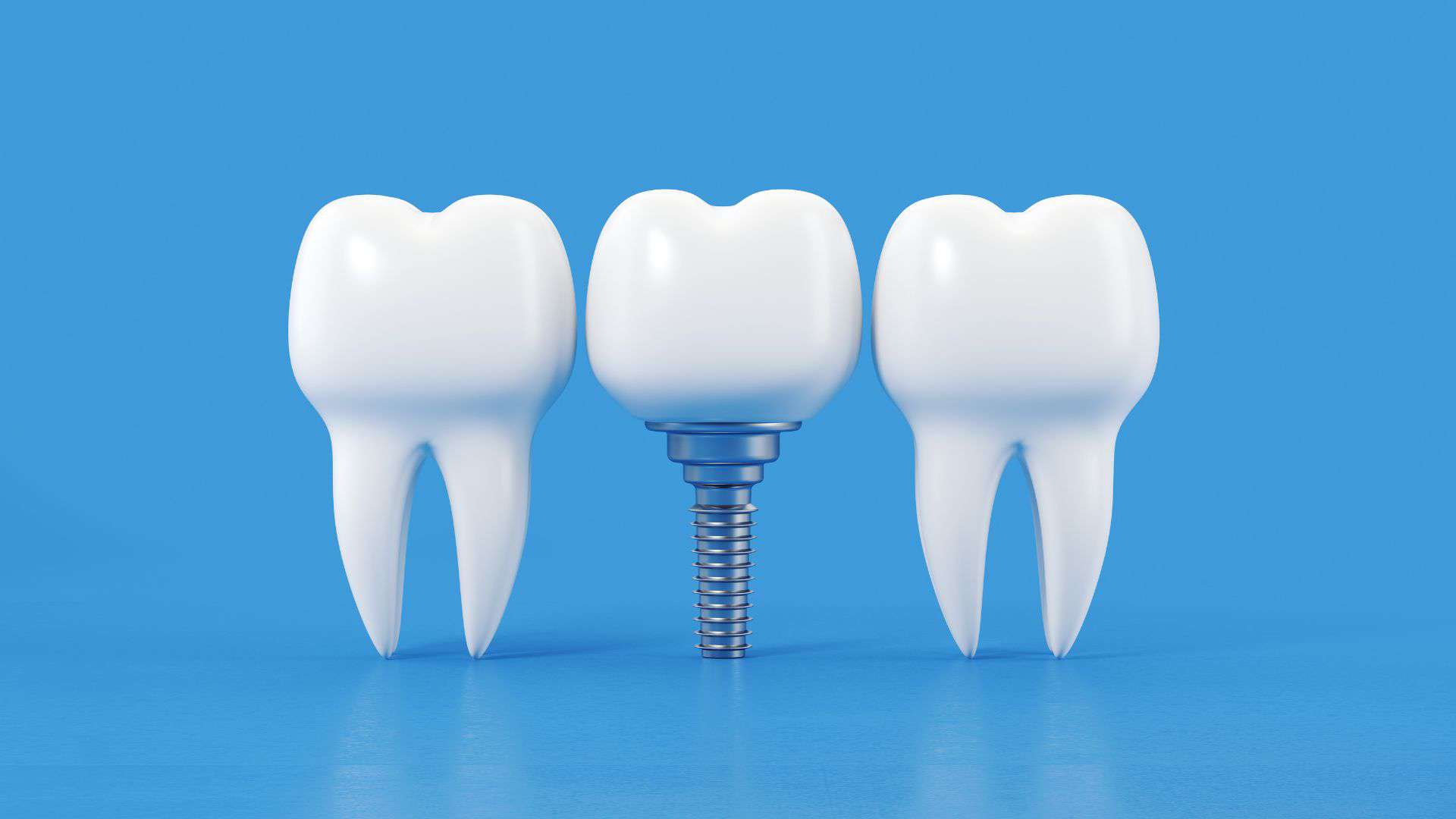
Dental implants are primarily made from titanium, known for its biocompatibility and strength, and sometimes zirconia, a ceramic material that offers a natural appearance. These materials ensure durability and promote integration with the jawbone for lasting results.
Can I eat normally after getting implants?
Title Tag: Eating After Dental Implants - What to Expect
After getting implants, you may need to adjust your diet temporarily. Initially, stick to soft foods and avoid hard or chewy items to ensure proper healing, but you can gradually return to your normal eating habits as advised by your dentist.
How do I maintain my dental implants?
Maintaining Dental Implants:
To maintain your dental implants, practice good oral hygiene by brushing and flossing daily, and schedule regular dental check-ups with your periodontist to ensure the health and longevity of your implants.
What are the signs of implant failure?
The signs of implant failure include persistent pain, swelling around the implant site, mobility of the implant, and signs of infection such as pus or fever. Prompt evaluation by a dental professional is essential if these symptoms occur.
How often should I visit for check-ups?
Regular check-ups are essential for maintaining optimal oral health. It is generally recommended to visit your periodontist every six months for check-ups, although some patients may require more frequent visits based on their individual needs.
Can implants improve my smile aesthetics?
Implants can significantly enhance your smile aesthetics by filling gaps left by missing teeth, restoring a natural appearance, and improving overall facial symmetry. This leads to greater confidence in your smile and improved oral health.
What is the success rate of dental implants?
The success rate of dental implants is generally high, ranging from 90% to 95%, depending on factors such as the patient's health, bone density, and adherence to post-operative care.
How do I know if I need implants?
Determining if you need dental implants involves assessing factors such as missing teeth, difficulty chewing, or changes in your bite. A consultation with Dr. Vivian A. Sorkin can provide personalized recommendations based on your oral health needs.
What are the alternatives to dental implants?
Alternatives to dental implants include dentures, bridges, and resin-bonded prostheses, each providing varying levels of support and aesthetics for missing teeth. These options can restore function and appearance while considering individual patient needs.
How does Dr. Sorkin ensure patient comfort?
Dr. Sorkin ensures patient comfort by utilizing advanced techniques, providing personalized care, and creating a welcoming environment that prioritizes each patient's needs and concerns throughout their treatment process.
What technology is used in implant procedures?
The technology used in implant procedures includes advanced imaging techniques like 3D cone beam computed tomography (CBCT) for precise planning, as well as computer-guided surgery systems that enhance accuracy and improve patient outcomes.
Can I get implants if I smoke?
Implants can be obtained by smokers; however, smoking may increase the risk of complications and affect healing. It's essential to discuss your smoking habits with Dr. Sorkin to assess your individual situation and determine the best approach for successful implant placement.
How do implants affect speech and chewing?
Title Tag: Implants and Their Impact on Speech and Chewing
Dental implants positively affect speech and chewing by providing a stable foundation for replacement teeth, allowing for clearer pronunciation and improved biting efficiency, much like natural teeth.
What aftercare is needed post-implant surgery?
Aftercare needed post-implant surgery includes following your dentist's instructions, managing pain with prescribed medications, maintaining oral hygiene, and avoiding hard foods for a few days to promote healing. Regular follow-up appointments are essential for optimal recovery.