
Oral Biopsy in Brandywine, MD: What to Expect
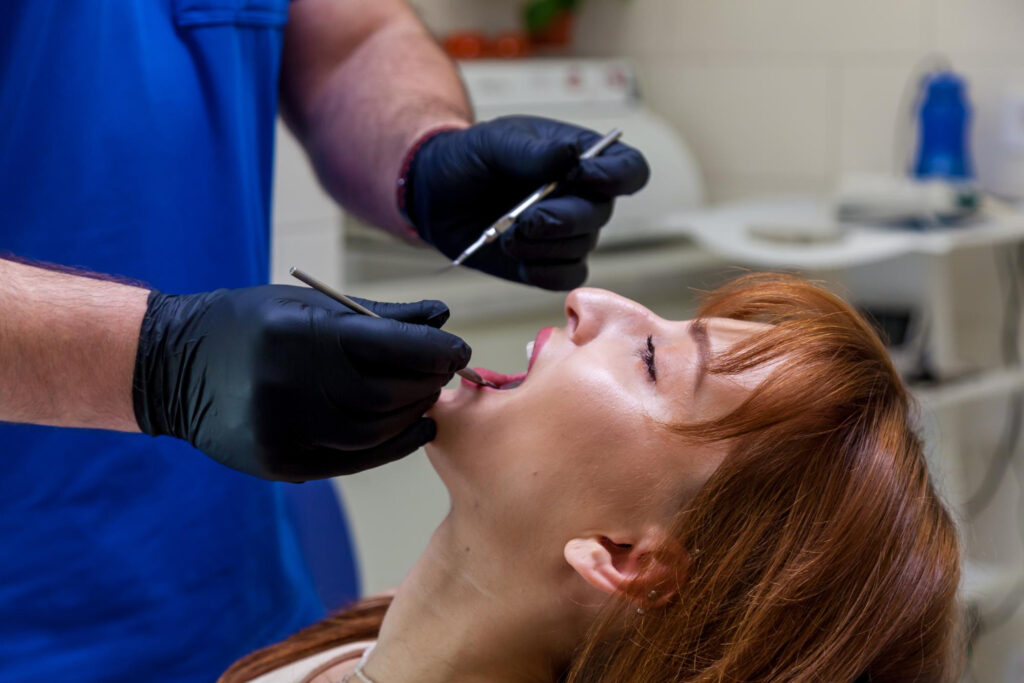
An unexplained sore, lump, or patch inside the mouth is easy to postpone. It may not hurt, it may fade and return, and it is difficult to inspect without a mirror and good lighting. The trouble is that the surface of a lesion tells you very little about the tissue underneath. When a sore, lump, […]
Intraoral Scanning in Brandywine, MD: Better Implant Planning
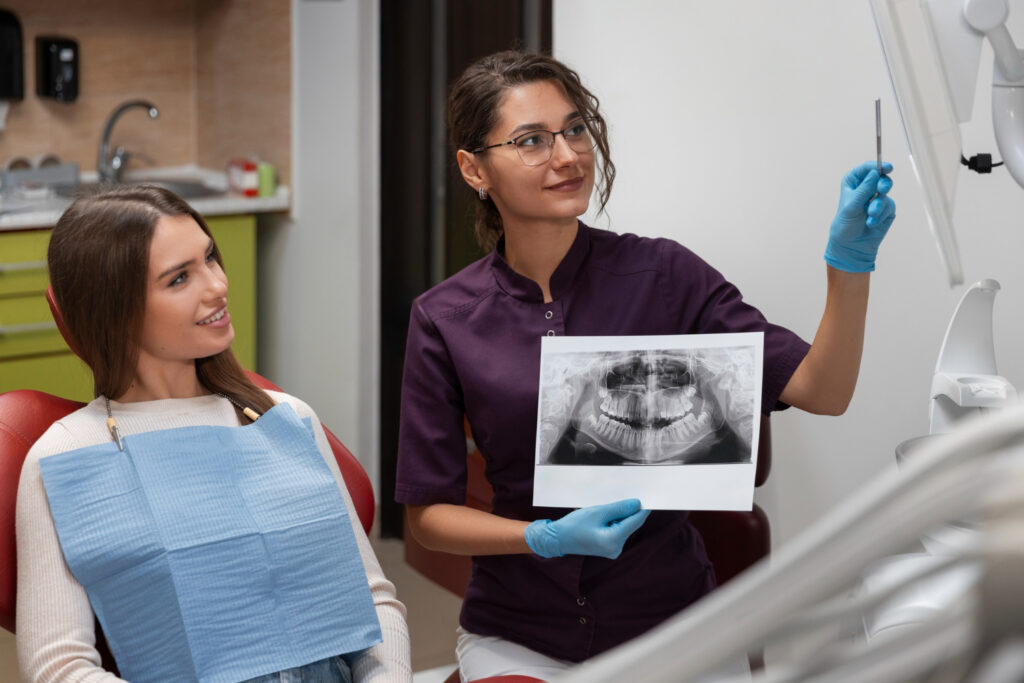
For decades, the least pleasant part of dental work for many patients was the impression. A tray filled with putty was pressed against the gums, and the pressure often triggered a gagging reflex. Intraoral scanning in Brandywine, MD has replaced that experience for many periodontal patients. Using a small wand, dental teams capture detailed digital […]
Digital Impressions in Brandywine: Faster, More Comfortable Dental Scans
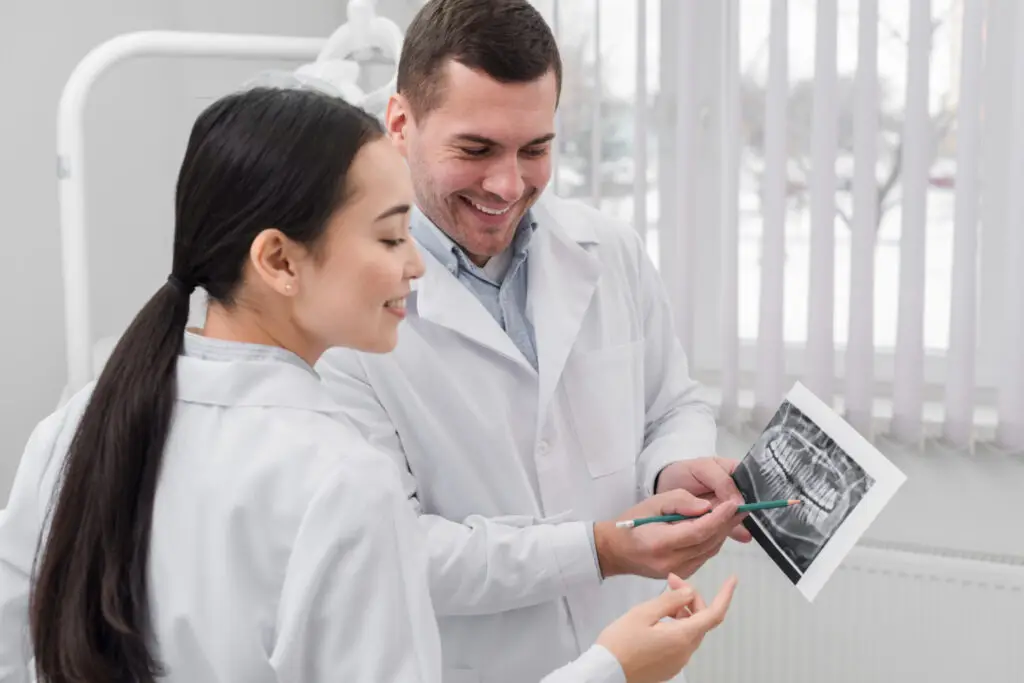
For years, a dental impression appointment meant sitting through a familiar and uncomfortable ritual: a tray packed with putty, pressure on the gums, and the constant urge to gag. Advances in dental technology have changed that experience for patients in Brandywine and beyond. Digital impressions use an intraoral scanner to capture a detailed three-dimensional view […]
Zirconia vs. Titanium Implants in Brandywine, MD: Which Is Right for You?
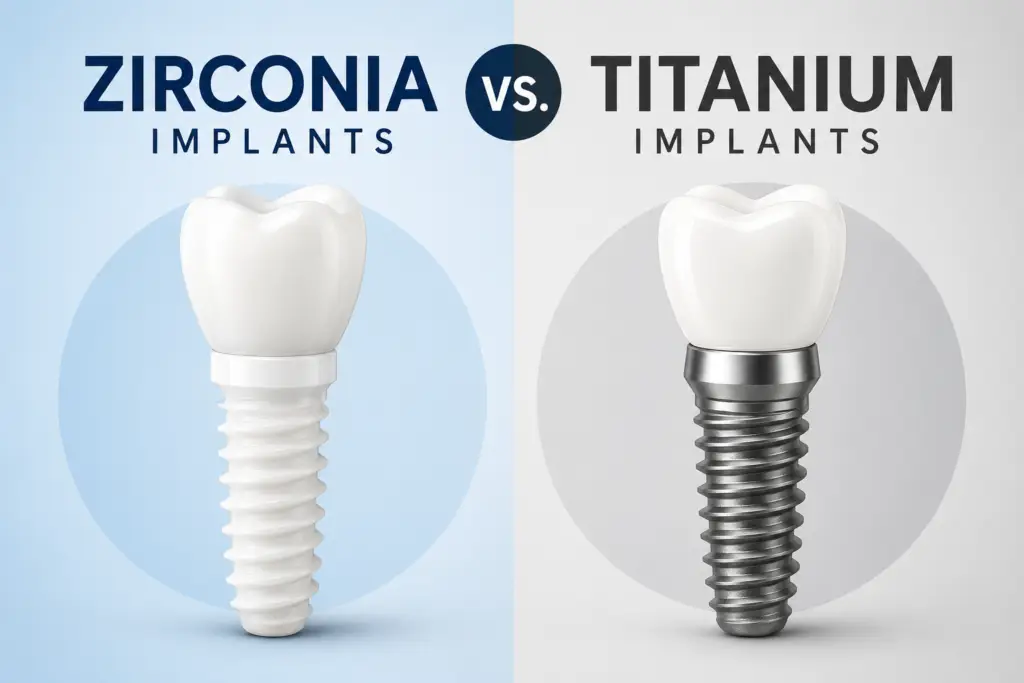
Replacing a missing tooth involves more than choosing the right restoration. The implant post itself, the part placed into the jawbone, plays a major role in how your new tooth looks, feels, and performs over time. For patients in Brandywine, MD, the two most common choices are zirconia and titanium. Each material has a strong […]
How Dental Implants Prevent Bone Loss in Brandywine, MD
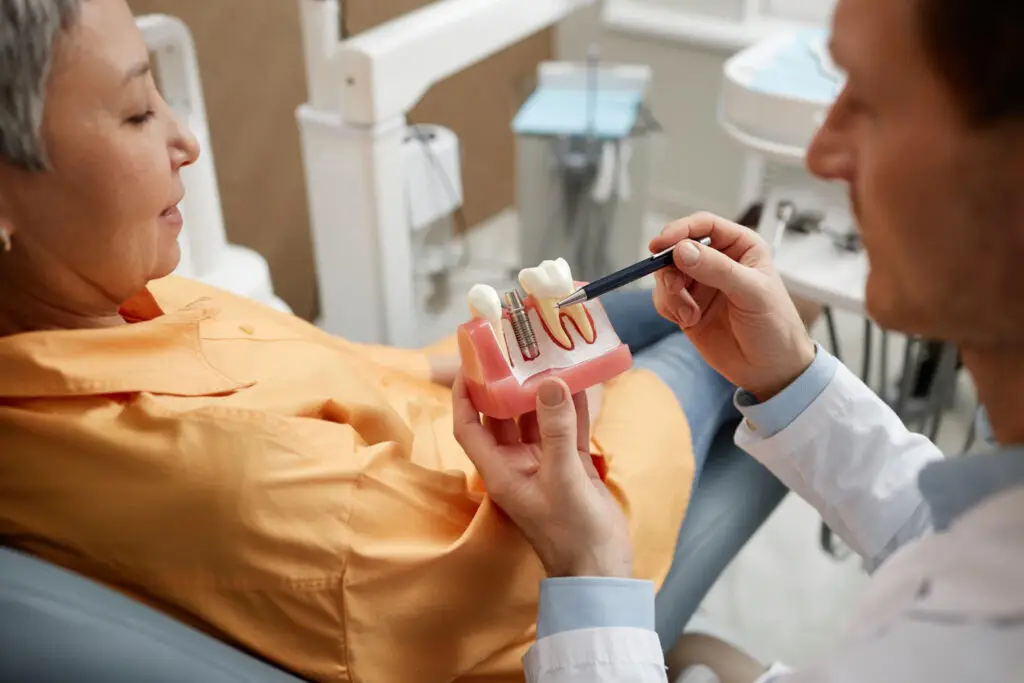
Tooth loss is never just a cosmetic issue. When a tooth is missing, the jawbone beneath it starts to change, and those changes can affect your facial appearance, your chewing function, and your options for future dental treatment. For patients in Brandywine, MD, dental implants offer a permanent, natural-feeling solution that addresses tooth loss at […]
Dental Implants in Brandywine, MD: Your Guide to Tooth Replacement
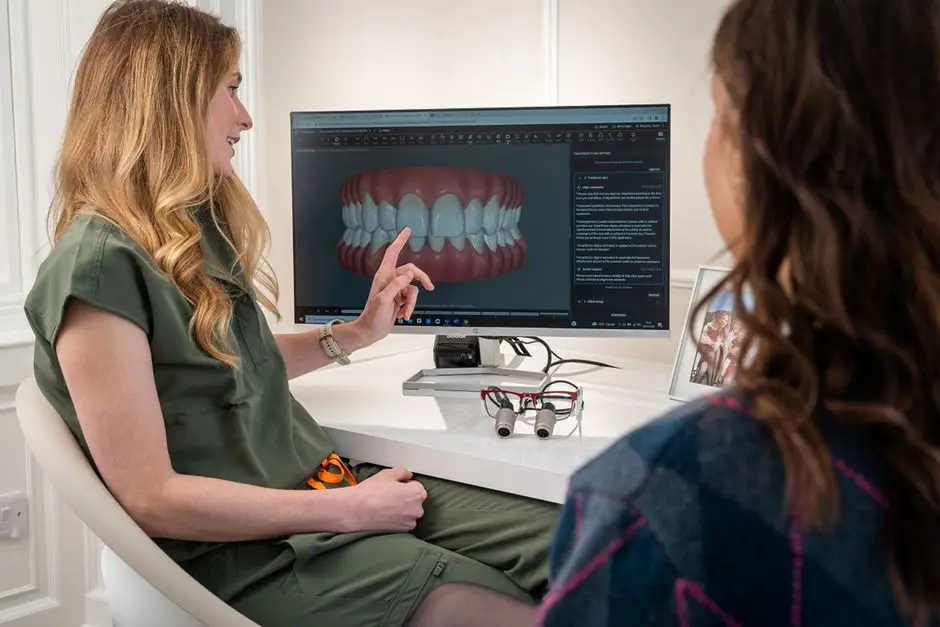
Losing a tooth can change more than your appearance. It can make chewing difficult, shift the position of neighboring teeth, and affect the way you speak. For residents of Brandywine, Maryland, dental implants offer a long-term solution that looks and feels like a natural tooth. Several practices in and near Brandywine provide implant care, ranging […]
All-on-4 Procedure Steps in Brandywine: What to Expect
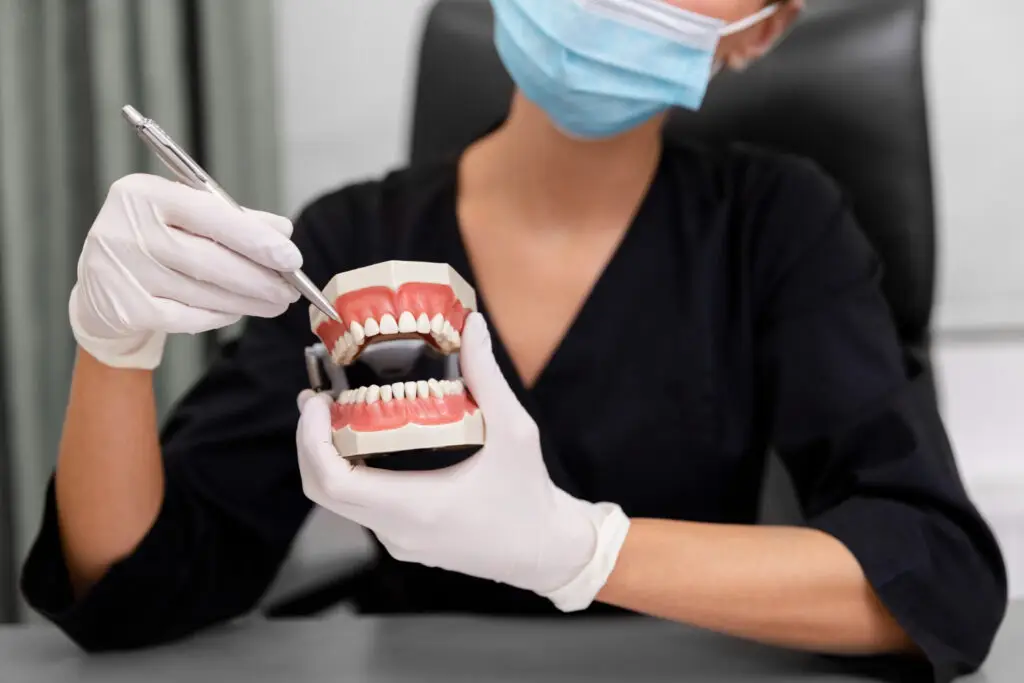
All-on-4 is a tooth replacement approach that uses four dental implants to support a full arch of replacement teeth. For patients in Brandywine exploring this option, understanding the all-on-4 procedure steps in Brandywine can make the journey feel more predictable. The process begins before any implants are placed, starts with a careful consultation, and moves […]
All-on-4 vs. Traditional Implants: What’s the Difference?
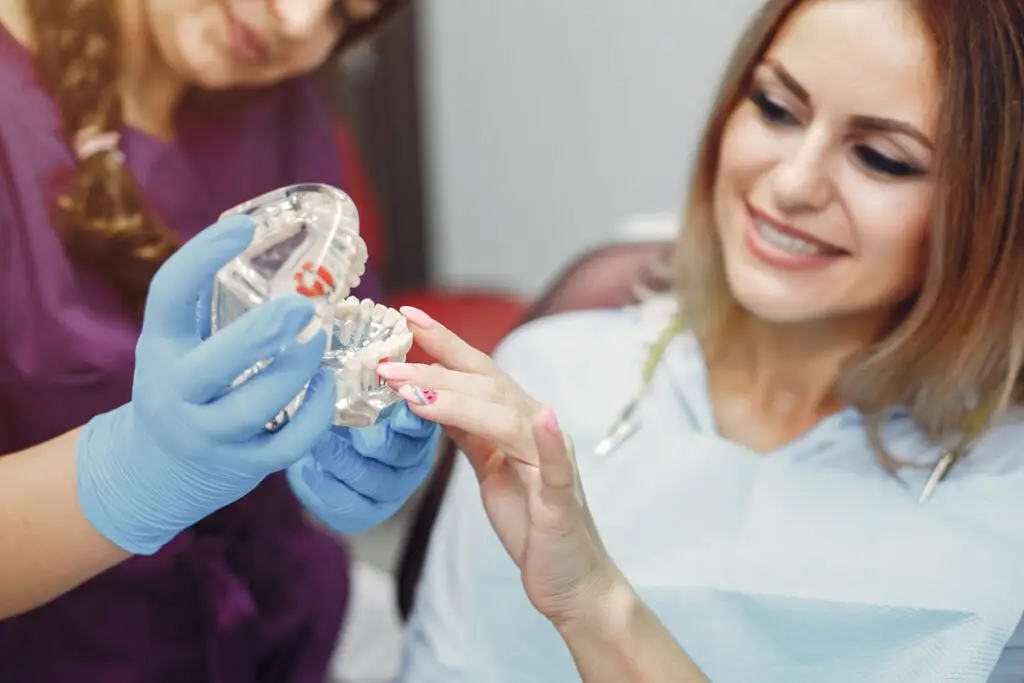
Tooth loss can change the way you eat, speak, and smile. It can also make everyday moments feel uncomfortable. The good news is that modern implant dentistry offers several ways to bring back a complete, functional smile. Two widely discussed options are All-on-4 implants and traditional dental implants. Both approaches use small posts that are […]
Who Is a Candidate for All-on-4 Implants in Brandywine?
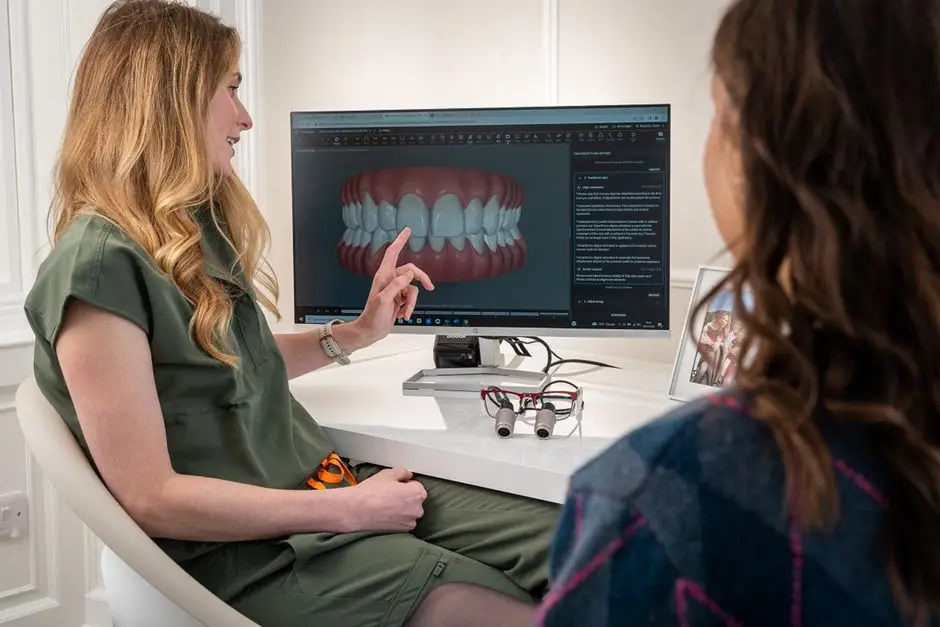
Losing an entire arch of teeth changes more than the way a smile looks. It affects how a person chews, speaks, and feels in social situations. For many years, the main solutions were full dentures or a lengthy process of placing multiple individual implants. The All-on-4 technique was developed as an alternative, and it has […]
All-on-4 Dental Implants in Brandywine, MD: A Complete Smile Solution
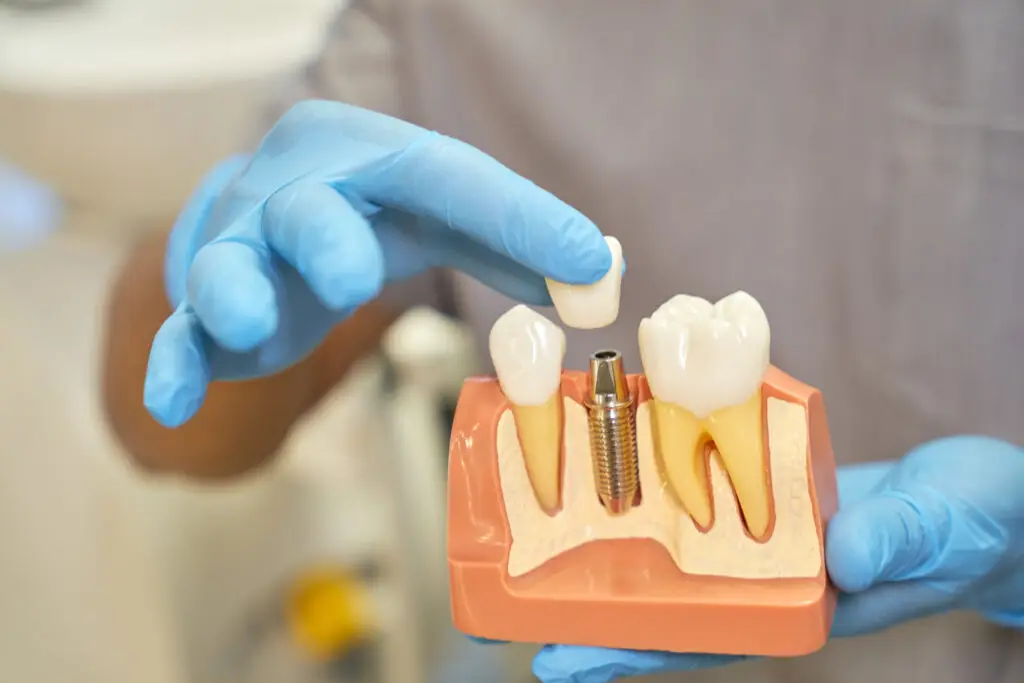
Losing an entire arch of teeth changes more than the appearance of a smile. It affects chewing, speech, and daily confidence. For residents of Brandywine, Maryland, All-on-4 dental implants offer a way to replace a full arch of missing teeth using just four implant posts. This treatment has become a popular choice because it combines […]