For years, a dental impression appointment meant sitting through a familiar and uncomfortable ritual: a tray packed with putty, pressure on the gums, and the constant urge to gag. Advances in dental technology have changed that experience for patients in Brandywine and beyond. Digital impressions use an intraoral scanner to capture a detailed three-dimensional view of the mouth in a process that is noticeably faster and far more comfortable than the old method. For people facing periodontal treatment, dental implants, or restorative work, understanding how digital impressions work can make the next appointment much less stressful.
What Are Digital Impressions?
Digital impressions are high-resolution three-dimensional scans of the teeth and surrounding tissues. Instead of biting into a mold, the patient simply sits back while the dentist moves a small intraoral optical scanner over the teeth. The scanner captures the shape of each tooth, the line of the gums, and the surrounding structures, then turns that data into a digital model that appears on a screen.
The scan replaces the physical mold that traditional impressions relied on. Because the model is digital, it can be viewed, rotated, and measured in great detail. The dentist is not limited to the shape trapped in a piece of putty. The image itself becomes the working record used for diagnosis, planning, and creating restorations.
How Intraoral Scanning Works
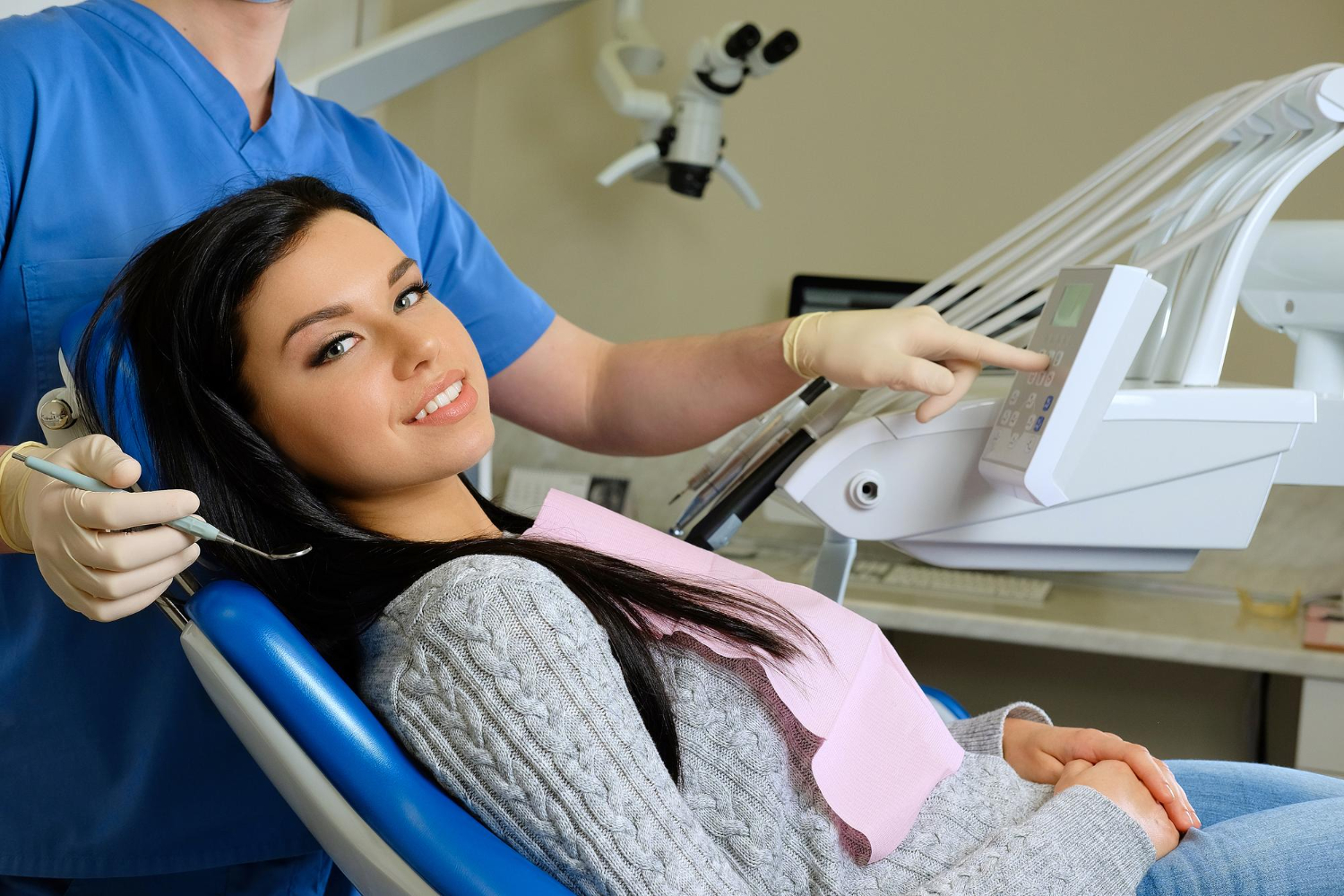
An intraoral optical scanner works by recording the surface of the teeth and gum tissue as it passes through the mouth. The image builds in real time, so the dentist can see immediately whether every area has been captured. If an angle was missed, that spot can be rescanned on the spot. There is no waiting for material to set and no need to start over with a fresh tray. The live view on the monitor also gives the patient a chance to watch the process, which can make the appointment feel faster and less intimidating.
What Made Traditional Impressions So Unpleasant
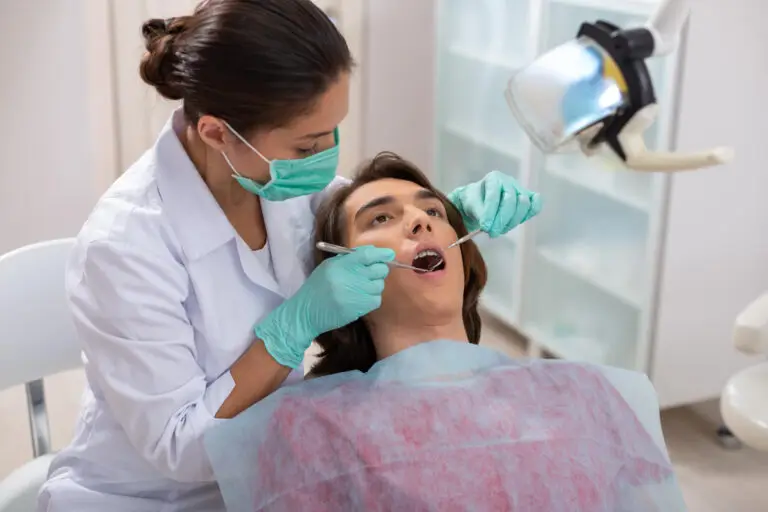
To understand why digital impressions are a step forward, it helps to recall the traditional approach. Patients had to bite down on a tray filled with putty or a similar material and hold it in place while it set. That description alone is enough to make many people uneasy. The tray pressed against the palate and gums, the material had an unpleasant texture, and many patients gagged or felt uncomfortable. Dentists who used the old technique knew it well, and patients dreaded it.
The problems did not always end when the tray came out. A traditional mold could be imperfect, could break after it was taken, or could get lost before it reached the lab. Each of those failures meant another round of impressions and another uncomfortable appointment. For patients who needed crowns, bridges, or other restorations, the old process could be a string of stressful visits.
Why Digital Impressions Are More Comfortable
The comfort advantage of digital impressions comes down to one simple fact: there is no goop, no gagging, and no tray wedged against sensitive tissue. The intraoral scanner is small and moves gently across the teeth. Nothing is pressed hard against the soft parts of the mouth, and there is no material with an unpleasant taste or texture to contend with.
This matters most for patients with a strong gag reflex, sensitive teeth, or anxiety about dental work. The scan feels more like a routine exam than an impression. Because the dentist can watch the model forming on the screen, the process also stays efficient. Most patients find that the appointment passes quickly and without the dread that used to accompany impression-taking.
Digital Impressions Are Faster at Every Step
The speed of digital impressions is one of their clearest benefits. Traditional impressions often required multiple rounds because a mold could be rejected, broken, or misplaced. Digital impressions remove that hurdle. The iTero scanner, an intraoral scanning system used in modern dental practices, ensures a more accurate impression from the start. A better first result means fewer repeat scans and a less drawn-out appointment.
There is also no need to wait for putty to set once the tray is in the mouth. The scan is complete the moment the dentist has the necessary images, and those images can be checked immediately. For the patient, that means less time in the chair. For the practice, it means clearer data to use for restorations and treatment planning. Every step, from capture to design, moves faster when the starting image is solid.
Greater Accuracy With Fewer Human Errors
Digital impressions minimize the chances of human error that went along with traditional methods. Putty can shift, distort, or trap air against the teeth. A tray can seat differently from one attempt to the next. Those small flaws sometimes did not appear until the restoration was being made, causing delays and frustration.
Digital scanning measures the teeth and tissues directly, producing a detailed image with fewer opportunities for distortion. When a dentist plans a crown, bridge, veneer, or another restoration, the design work begins with data that reflects the actual shape of the mouth. That accuracy is why digital impressions have become such a valuable tool in periodontal and implant care. Greater accuracy at the beginning supports better results later.
Digital Scans for Periodontal Care in Brandywine
For patients in Brandywine, digital scanning is especially useful in periodontal treatment. Periodontal care depends on seeing the connection between the teeth, gums, and jawbone clearly. Digital scanning gives a periodontist a detailed view of those structures, helping to improve periodontal diagnosis and treatment planning. When the supporting tissues around a tooth are not healthy, the signs can be subtle, and a clear image makes a real difference.
Dental implant care is another area where the technology earns its place. Implant placement depends on understanding the bone available and the position of the surrounding teeth. Precise digital imaging helps the periodontist evaluate the site and plan accordingly. The result is a treatment process based on accurate information rather than guesswork. For patients who want to understand their condition, the scan offers visible proof of what is happening and why a particular approach makes sense.
Seeing Your Smile in 3D Improves Communication
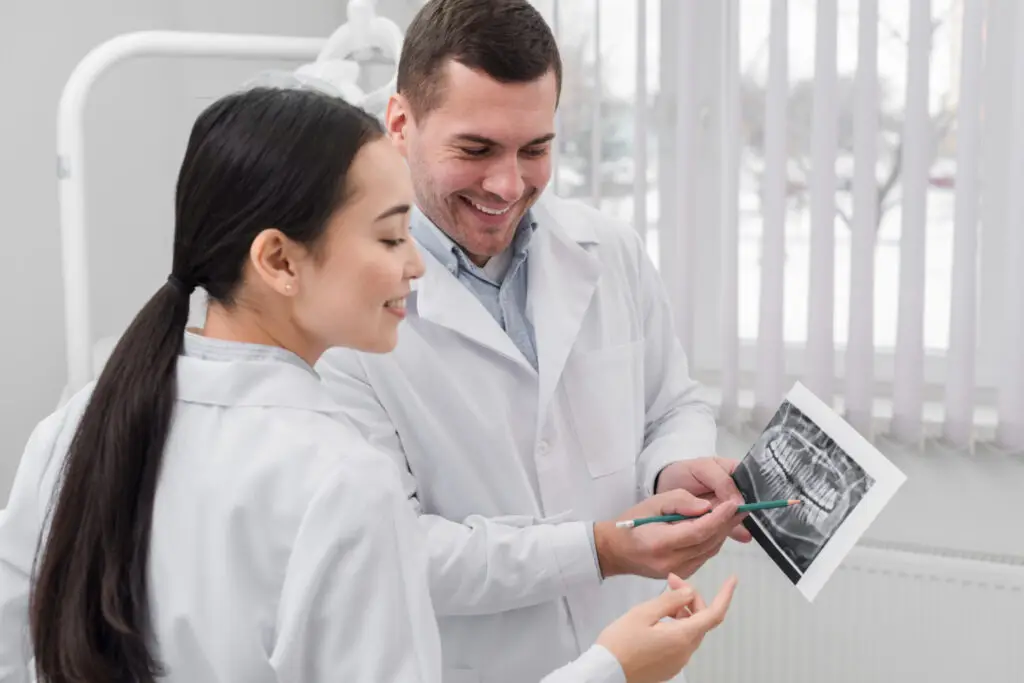
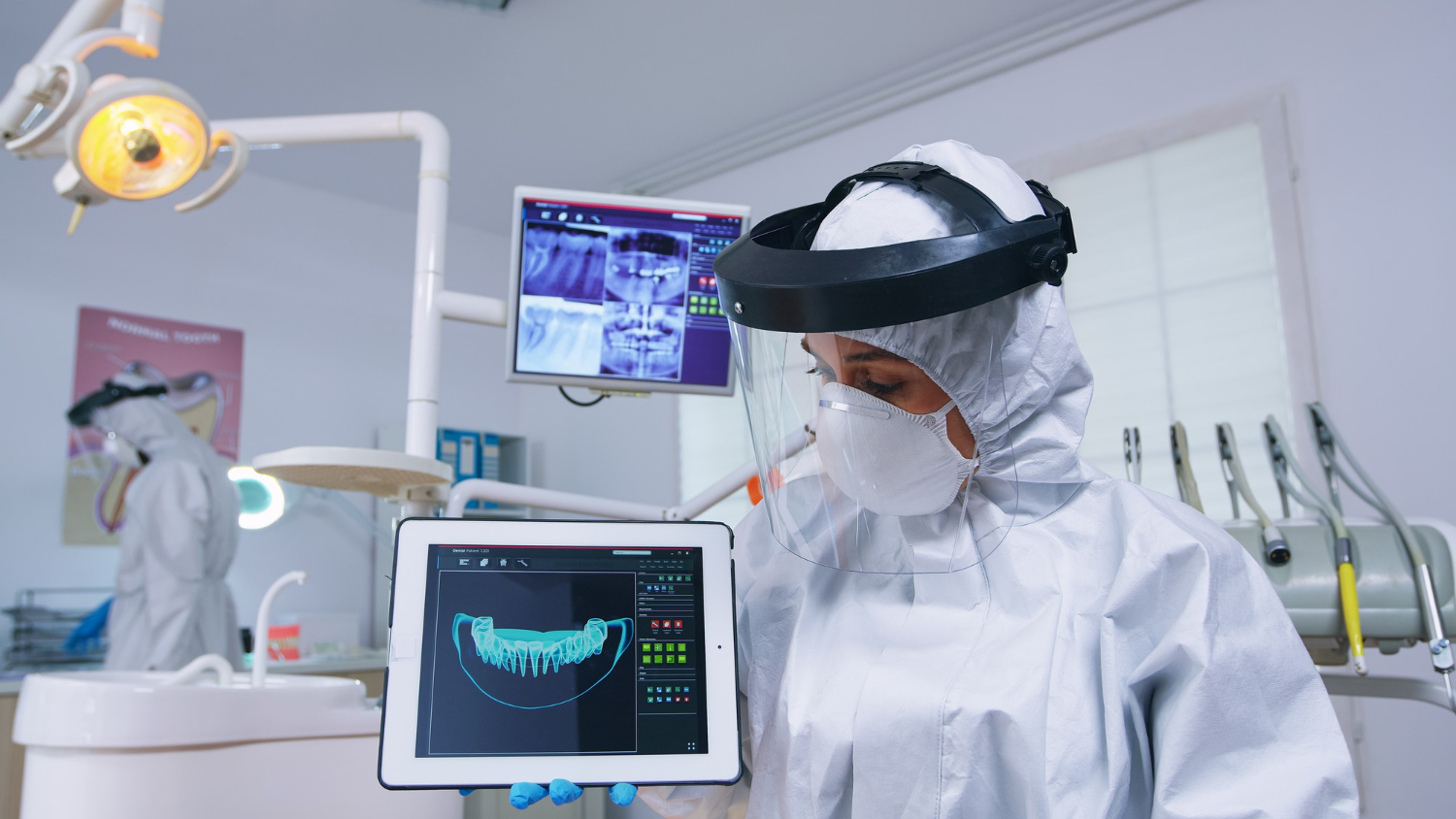
Digital impressions give patients the ability to see their teeth instantly in 3D. That single feature changes the conversation between patient and provider. Instead of listening to a description of a problem, the patient can look at a screen and see it directly. The dentist can point to a worn tooth, a receding gum line, or the empty space where an implant is planned, and the patient no longer has to take the explanation on faith.
This shared view improves communication during the consultation and treatment process. It also gives patients more confidence in the care they are about to receive. When you can see the problem and the plan at the same time, the treatment feels less abstract. For practices in Brandywine that use digital impressions, the technology is not just a convenience; it is a better way to involve patients in their own oral health.
What Patients Can Expect During a Digital Scan
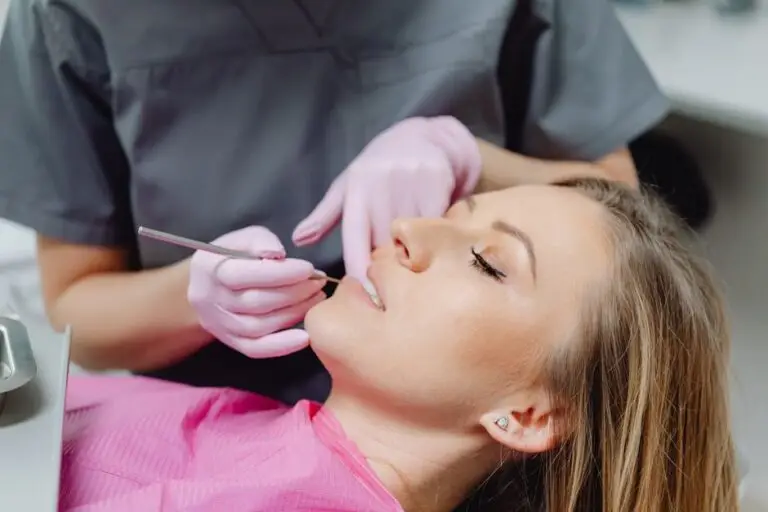
If your dentist or periodontist in Brandywine has scheduled a digital impression, there is very little to prepare for. You will sit comfortably in the treatment chair while the dentist moves the intraoral scanner across your teeth and gums. The scanner is used inside the mouth, but it does not require the biting, holding, and tolerance that the old putty trays demanded.
Many patients find they can watch the progress on a monitor while the scan is being taken. The dentist can review the image in real time and rescan any area if needed before the appointment ends. Once the scan is complete, the digital model is available for treatment planning. Whether your care involves periodontal treatment, dental implants, or a restorative procedure, the digital impression becomes part of the plan clearly and quickly. That simplicity is a stark contrast to the multi-step, retake-prone process that patients used to endure.
Ask About Digital Impressions at Your Next Visit
The next time you have a dental or periodontal appointment in Brandywine, it is reasonable to ask whether digital impressions are part of the practice’s approach. The technology offers clear advantages over traditional impression material, especially for patients who need crowns, implants, or treatment for gum problems. Comfort, speed, and accuracy all improve when an intraoral scanner replaces the old tray-and-putty method.
If you have postponed care because of a bad impression experience in the past, those memories do not have to guide your decisions now. Digital scanning has removed most of what made the old process unpleasant. Before any upcoming treatment, check with your dental team about how digital impressions would be used in your case and what you can expect during the scan. The appointment may be far easier than you remember.
Frequently Asked Questions
Do digital impressions hurt?
Digital impressions are designed to be comfortable. The process eliminates the tray and putty that caused gagging, pressure, and discomfort in traditional impressions. The intraoral scanner moves gently across the teeth and gums while creating a three-dimensional image on a screen. Most patients describe the experience as closer to a routine examination than to an old-fashioned impression.
How fast is a digital impression scan?
There is no putty to set and no tray to hold in place. The image appears in real time as the scanner moves over the teeth, and the dentist can check it immediately. If the traditional method sometimes required multiple rounds because a mold was rejected, broken, or misplaced, digital scanning captures accurate information from the start. That accuracy reduces the need for repeat scans and shortens the overall appointment time.
Why do periodontists use digital impressions in Brandywine?
Digital scanning in Brandywine helps improve periodontal diagnosis, treatment planning, and dental implant care. A periodontist can view the teeth, gums, and jawbone in detail, which is essential for evaluating gum disease and planning implant placement. Because the scan produces precise digital imaging, treatment decisions can be based on reliable data rather than guesswork.
Can I see the digital image of my teeth?
Yes. One of the main benefits of digital impressions is that patients can see their teeth instantly in 3D on a monitor. This improves communication during the consultation, because the dentist can point to the areas that need attention and explain the treatment plan while the patient looks at the same image. Seeing the problem directly helps patients understand their diagnosis and feel more confident about the recommended care.