All-on-4 is a tooth replacement approach that uses four dental implants to support a full arch of replacement teeth. For patients in Brandywine exploring this option, understanding the all-on-4 procedure steps in Brandywine can make the journey feel more predictable. The process begins before any implants are placed, starts with a careful consultation, and moves through planning, surgery, recovery, and the final placement of your new smile.
Many patients choose All-on-4 because it offers a complete set of teeth supported by a small number of implants. Instead of one implant for every missing tooth, the treatment uses four strategically placed posts per arch. That design can simplify the procedure while still providing a stable foundation for a full smile.
What Is All-on-4?
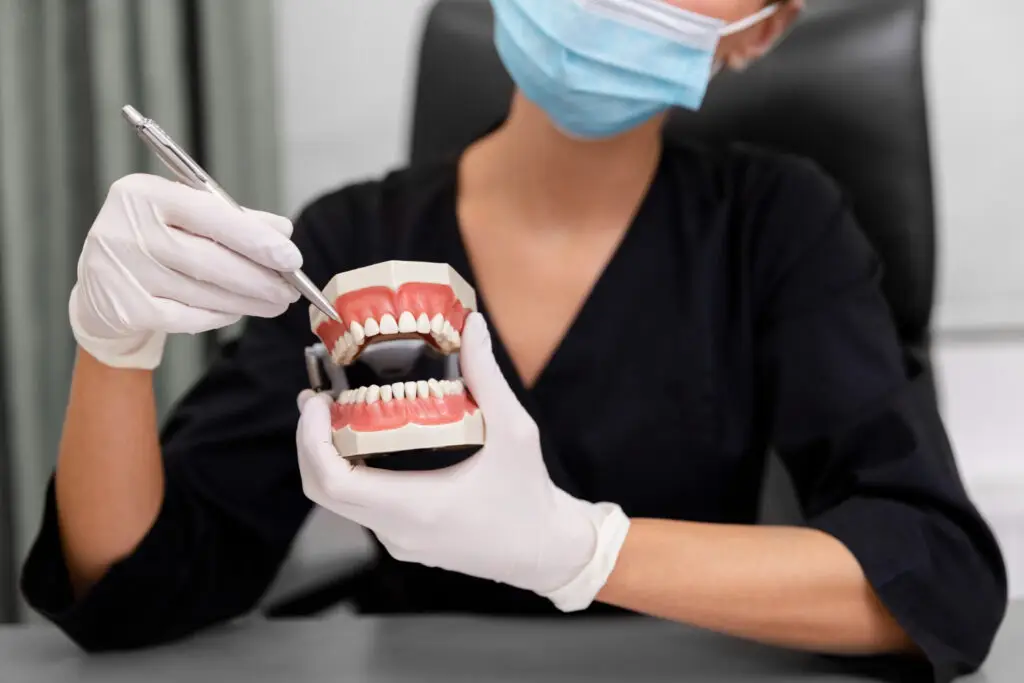
The All-on-4 treatment concept replaces missing teeth with a full dental bridge supported by only four dental implants. A dentist places four titanium screws or rods into the upper and lower jawbone to create the foundation for the new teeth. Because the bridge is anchored by implants rather than resting on the gums, it is designed to feel stable and function like natural teeth. The approach is sometimes called All-on-X or All-on-4 overdentures, and it gives patients a complete set of replacement teeth with fewer implants than traditional full-arch methods.
The treatment is designed for people who have lost most or all of their teeth in one or both arches. Because the bridge is anchored to implants, it is supported by the jawbone rather than resting on the gums alone. The four titanium screws or rods are placed in the upper and lower jawbone, where they hold the restoration securely in place.
Step 1: Consultation and Oral Health Evaluation
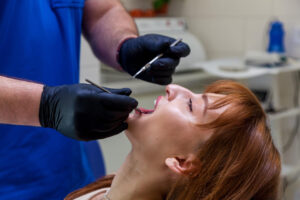
The All-on-4 process starts before any implants are placed. During an All-on-X dental implant procedure, the first step is evaluating the patient’s oral health. For anyone interested in All-on-4, the natural starting point is a consultation with a periodontist. During this visit, the clinician will examine your mouth and review your medical history.
To determine whether All-on-4 dental implants are appropriate, the periodontist may take CBCT scans to evaluate the jawbone. These scans provide detailed images that help show whether the bone can support four implant posts. Some practices make this first step easy by offering a completely free consultation or a free All-on-4 exam, so you can get answers before making any commitments.
Bringing your questions to this appointment is useful. You can ask about the process, what the surgery involves, and what recovery may feel like. The periodontist can also explain whether your bone density and overall health make All-on-4 a realistic option. This first visit sets the direction for the entire treatment.
Step 2: Preoperative Planning
Once the consultation confirms that you are a candidate for All-on-4, the process moves into the preoperative stage. This is step two of the standard All-on-4 sequence. During this phase, the periodontist uses the information gathered from the oral exam, medical history review, and CBCT scans to plan the placement of the four implant posts.
Careful positioning matters because these four implants must carry the entire full-arch bridge. The preoperative stage gives the care team time to design a plan that supports a natural-looking and functional result. When the planning is complete, you move closer to the surgical phase with a clear picture of what will happen next.
The CBCT scan plays a central role in this planning phase. It gives the periodontist a detailed look at the jawbone so the implant posts can be positioned in the areas with the most support. Good planning reduces uncertainty on surgery day and helps the final bridge fit properly.
Step 3: Surgery Day
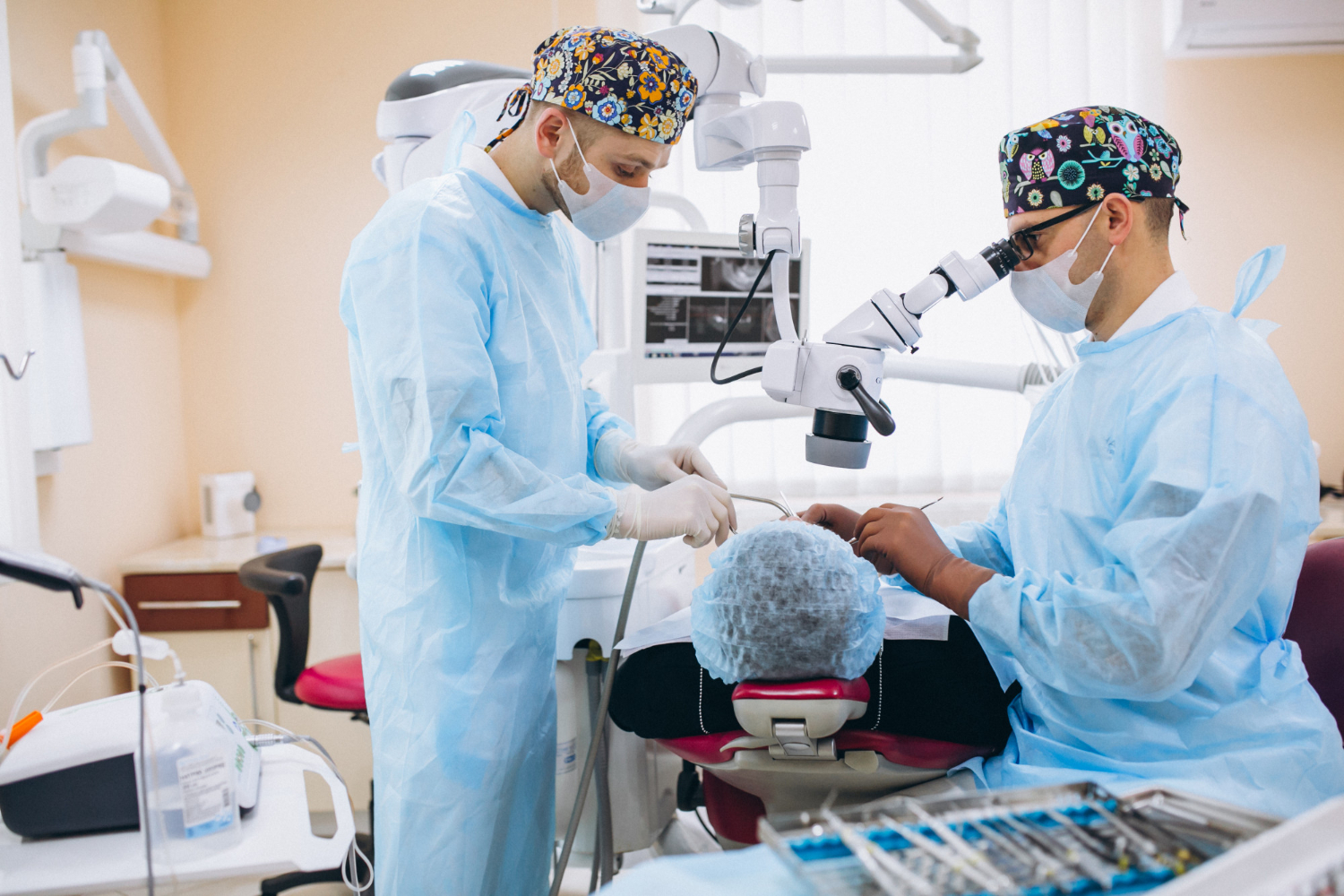
Surgery day is the most significant step of the process. The dentist numbs the mouth completely for patient comfort before placing four implant posts into the jawbone. During the All-on-4 overdentures procedure, the dentist implants four titanium screws or rods into the upper and lower jawbone.
The implant posts act as artificial tooth roots, creating a secure anchor for the replacement bridge. Because the mouth is completely numb, the focus stays on your comfort while the periodontist positions each implant with precision. Once the four posts are in place, the surgical part of the treatment is finished and healing begins.
Patients often wonder how the surgery will feel. The numbing step happens first, so the placement of the posts is generally comfortable. The periodontist positions the four implants according to the plan created in the preoperative stage, then provides instructions for the recovery period.
Step 4: Recovery and Healing
Recovery is step four in the all-on-4 procedure steps. After surgery, the implant posts need time to integrate with the jawbone. This healing period is essential because the four implants are the entire support system for the new teeth.
During recovery, patients follow the periodontist’s guidance on oral care and gradually ease back into daily routines. The exact healing timeline varies from person to person, so it is important to keep follow-up appointments and ask questions if anything feels unusual. A smooth recovery sets the stage for the final step in the process.
During the healing period, the implant posts begin to fuse with the jawbone. This integration is what gives All-on-4 its long-term stability. Patients should follow all post-operative guidance, including any instructions for cleaning around the implants and caring for the surgical sites. Regular check-ins with the periodontist help confirm that healing is on track.
Step 5: Delivering the Final Smile
After the healing phase, the treatment moves toward the finish line. The Bar Attachment Denture treatment concept shows how a full tooth replacement can be supported by only four dental implants. Once the implants are stable, a full dental bridge is attached to the four posts.
This bridge replaces the missing teeth and restores the appearance and function of a complete smile. Patients leave with a full arch of teeth that feels grounded because it is anchored by four implants rather than resting on the gums alone. The final smile is the result of every step that came before it, from the first evaluation to the last adjustment.
The final bridge is designed to look like natural teeth and to function with a normal bite. Because it is supported by four implant posts rather than resting on the gums, the restoration feels grounded and secure. Once the bridge is attached, the treatment is complete and you can enjoy your restored smile.
All-on-4 at a Glance
The all-on-4 procedure steps in Brandywine follow a clear sequence. The table below outlines the four main stages from the first visit through recovery.
| Stage | What happens |
|---|---|
| Dental exam | The periodontist examines your mouth and reviews your medical history. |
| Preoperative stage | CBCT scans and planning guide the placement of the four implants. |
| Surgery | The mouth is numbed and four implant posts are placed into the jawbone. |
| Recovery | The implants heal and integrate with the jawbone before the final bridge is attached. |
The Role of the Periodontist in All-on-4
A periodontist is a dental specialist focused on the health of the gums and the structures that support the teeth. This training matters for All-on-4 because the procedure depends on healthy gum tissue and adequate jawbone. During the consultation, the periodontist examines the mouth, reviews the medical history, and determines whether the jawbone can support four implant posts. Patients in Brandywine can rely on this specialty care from the first visit through the final restoration.
All-on-4 Procedure Steps in Brandywine: Planning Your Treatment
If you are considering all-on-4 procedure steps in Brandywine, the consultation is the place to start. A periodontist will examine your mouth, review your medical history, and use CBCT scans to evaluate the jawbone before any implants are placed. From the dental exam and preoperative stage to surgery and recovery, each phase of the process builds on the last.
Knowing what to expect can help you feel more confident as you make decisions about your dental health. Ask your periodontist about your specific situation, your healing plan, and what you can expect after surgery. With the right preparation, the path from consultation to final smile is a clear and manageable one.
Frequently Asked Questions
What is the first step of the All-on-4 procedure?
The process starts before any implants are placed. The first step is a consultation with a periodontist. During this visit, the clinician examines your mouth, reviews your medical history, and may take CBCT scans to evaluate the jawbone. This evaluation helps determine whether All-on-4 dental implants are the right option for your situation.
How many implants are used in the All-on-4 procedure?
The All-on-4 concept uses four dental implants to support a full bridge. The dentist places four implant posts into the jawbone, using titanium screws or rods for the upper and lower arches. These four posts provide the complete foundation for the new teeth, which is what makes this approach different from full-arch methods that require more implants.
What happens during the All-on-4 surgery?
Surgery day is the most significant step of the process. The dentist numbs the mouth completely for patient comfort, then places four implant posts into the jawbone. Once the implant posts are positioned, the procedure moves into the recovery phase, and the implants begin the healing process with the surrounding bone.
What are the main stages of the All-on-4 process?
The process follows four main stages. Step one is the dental exam. Step two is the preoperative stage. Step three is the surgery. Step four is recovery. Before any of these steps begin, the periodontist evaluates your oral health to confirm that All-on-4 is suitable for your needs.
Conclusion
Understanding the All-on-4 procedure steps in Brandywine can make the journey toward a restored smile feel more predictable. From the initial consultation and CBCT imaging to implant placement, healing, and the final full-arch restoration, each stage is designed to build a stable foundation for your new smile.
If you are considering All-on-4 dental implants, Vivian A. Sorkin, D.M.D. can help you understand whether this treatment is right for your needs. Take the first step toward a more stable, confident smile by contacting Vivian A. Sorkin, D.M.D. today to schedule your All-on-4 consultation in Brandywine.