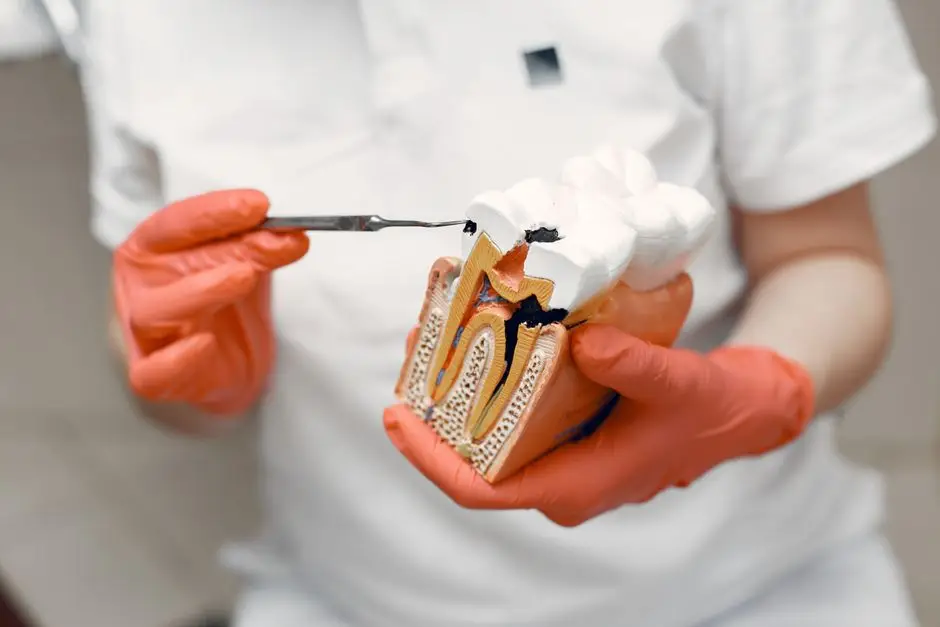
When a tooth becomes badly damaged or infected, deciding what to do next can feel overwhelming. For most patients, the choice comes down to two common procedures: root canal treatment or tooth extraction. Both are designed to stop pain and prevent the spread of infection, but they take very different approaches. Understanding how each treatment works, what recovery looks like, and what happens afterward can help you make a confident decision with your dental provider.
When Do You Need a Root Canal or Extraction?
The nerve of a tooth can become irreversibly damaged or infected for several reasons, including deep decay, cracks, trauma, or repeated dental procedures. When this happens, the two main treatment options are root canal therapy and extraction. Both procedures prevent the spread of infection and pain, but they go about it in different ways.
The pulp is the soft tissue inside the tooth, and it houses the nerve, blood vessels, and connective tissue. When the pulp becomes inflamed or infected, a root canal procedure may be needed to save the tooth from falling out. A dental professional can examine the tooth and determine whether it can still be preserved.
Signs That You May Need Treatment
When the pulp becomes inflamed or infected, symptoms usually begin to appear. Many patients notice pain when biting or chewing, prolonged sensitivity to hot or cold food and drinks, or swelling in the gums near the affected tooth. These symptoms are a signal that the nerve inside the tooth is in trouble. Without treatment, the infection can spread, and the tooth may eventually be lost.
What Does a Root Canal Involve?
A root canal is a procedure specifically designed to save you from losing a tooth. During root canal therapy, the diseased pulp is removed from inside the tooth. The inside of the tooth is then cleaned and disinfected before being filled and sealed. This approach removes the infection while preserving the natural tooth structure.
Root canal therapy is recommended when a tooth can be saved with treatment. The purpose is to treat the problem by keeping the natural tooth in place rather than removing it. Since the source of the infection is eliminated, patients typically experience relief from the pain and discomfort that brought them into the office.
What Does a Tooth Extraction Involve?
A tooth extraction takes a different path. Instead of treating the infection inside the tooth, the entire tooth is removed. Extraction is generally performed when the tooth’s structure is too damaged to support a root canal or restoration. In those cases, saving the tooth is no longer a realistic option.
A tooth extraction is a more invasive surgery than a root canal. Because of this, patients can expect swelling and a longer recovery process. Once a tooth is extracted, the empty space needs to be addressed. You will likely need a replacement so that chewing function is restored and nearby teeth do not shift out of position.
Not all extractions are the same. Some are straightforward, while others require a surgical approach. This is especially true for wisdom teeth, where the position and stage of development can make removal more complex. A periodontist can assess the situation and recommend the safest way to proceed.
Key Differences Between Root Canal and Extraction
| Consideration | Root Canal | Tooth Extraction |
|---|---|---|
| Main goal | Save the natural tooth | Remove the damaged tooth |
| How it works | Removes infected pulp, cleans, and seals the tooth | Removes the entire tooth |
| Invasiveness | Less invasive | More invasive surgery |
| Recovery | Generally shorter | Swelling and longer recovery |
| After the procedure | Natural tooth stays in place | Replacement is usually needed |
The most important difference is the goal of each procedure. A root canal is done to treat the problem by preserving the natural tooth, while an extraction is used to eliminate the problem by removing the tooth. Both stop pain and infection, but the long-term outcome is very different. Keeping your natural tooth maintains your normal bite and avoids the need for a replacement.
Recovery and Aftercare: What to Expect
Recovery differs between the two procedures. After a root canal, the natural tooth remains in place, and most patients return to their normal routines quickly. The tooth may need additional restoration to protect it, and good oral hygiene is essential for long-term success.
After an extraction, the socket needs time to heal. Swelling is common, and recovery takes longer because the procedure is more invasive. You will need to follow your provider’s instructions for caring for the area, and you may need to plan for a replacement once healing is complete.
Why Saving Your Natural Tooth Matters
Most dental professionals agree that it is always better to save a tooth than to have it extracted and replaced. Natural teeth are built to withstand the forces of chewing, and keeping them in place helps preserve the alignment of surrounding teeth. It also supports the jawbone and keeps nearby teeth stable.
Thanks to advances in dental care, fewer and fewer teeth need to be removed. Root canal treatment has made it possible to save teeth that would have been lost in the past. The procedure is designed specifically to prevent tooth loss, which is why it is often the preferred choice when a tooth can still be saved.

When Is Extraction the Only Option?
There are cases where a root canal cannot save the tooth. When the tooth’s structure is too damaged, extraction is the appropriate choice. Severe fractures, extensive decay, or advanced gum disease can leave a tooth beyond repair. In those situations, removing the tooth is necessary to stop pain and prevent the infection from spreading to other areas of the mouth.
How to Choose Between a Root Canal and Extraction
The right choice depends on the condition of the tooth. Root canal therapy is recommended when a tooth can be saved with treatment, while an extraction is performed when the tooth’s structure is too damaged to save. A dental professional can examine the tooth, review your symptoms, and explain which approach offers the best chance for a healthy outcome.
Patients should not feel pressured to make this decision alone. The best choice also depends on your overall oral health, the extent of the infection, and whether the surrounding gums and bone are healthy enough to support the tooth. These are all factors your dentist or periodontist will consider before making a recommendation.
The Role of a Periodontist in Your Decision
A periodontist is a dental specialist who focuses on the health of the gums and the supporting structures of the teeth. For patients facing the choice between saving a tooth and removing it, a periodontist can provide valuable insight. They can evaluate the health of the surrounding bone and gum tissue, which plays a key role in whether a tooth can be saved.
Periodontists also perform surgical procedures and place dental implants, which means they can guide you through every stage of care. If a tooth must be extracted, a periodontist can discuss how to restore the area and protect your smile for the long term.
Root Canal vs. Extraction Care in Brandywine, MD
For patients in Brandywine, MD, weighing tooth extraction vs. root canal means finding a provider who can explain both options clearly. A periodontist in Brandywine offers personalized periodontal care and is trained to manage complex cases, including tooth preservation and removal when necessary.
Personalized care is important when you are facing a decision like this. Whether you need root canal therapy, an extraction, or a replacement such as a dental implant, the goal is to protect your long-term oral health while keeping you comfortable throughout the process. Patients who feel anxious about dental treatment can also ask their provider about comfort and sedation options.
Frequently Asked Questions
Is a root canal better than extracting the tooth?
For most patients, yes. A root canal is designed to save the natural tooth, and it is almost always better to save a tooth than to extract and replace it. Extraction is reserved for situations where the tooth’s structure is too damaged to be saved. Your dentist can tell you whether root canal therapy is still a viable option for your specific tooth.
What hurts more: a tooth extraction or a root canal?
A root canal is performed to relieve the pain caused by an infected or inflamed pulp, and it targets the source of the problem. A tooth extraction, by comparison, is a more invasive surgery. Patients typically experience swelling and a longer recovery after an extraction. Your dentist can discuss pain management options for either procedure before treatment begins.
Can I ask for an extraction instead of a root canal?
You can discuss your preferences with your dentist, but the recommendation will depend on whether the tooth can be saved. Root canal therapy is recommended when a tooth can be preserved, while extraction is used when the structure is too damaged. A dental professional can explain why one option may be a better fit for your situation.
What happens after a tooth is extracted?
After an extraction, the area needs time to heal, and swelling is common during recovery. Because the tooth is gone, you will need to discuss replacement options with your dental provider. Leaving the space empty can allow nearby teeth to shift. A periodontist can explain options such as dental implants to restore function and appearance.