Losing a tooth is never the end of the story. The jaw bone that once supported the tooth root begins to change as soon as the tooth is gone. Bone grafting after extraction in Brandywine gives patients a way to protect that bone before it shrinks, making it possible to place a dental implant later. The procedure is common, predictable, and often the first step in rebuilding a healthy smile. Understanding how it works helps patients feel confident about the process and the timeline ahead.
Why the Jaw Bone Changes After an Extraction
Natural teeth do more than chew. Their roots transmit pressure to the surrounding bone, and this stimulation keeps the bone healthy and dense. When a tooth is removed, that stimulation stops. Without it, the bone in the dental ridge begins to deteriorate. This loss of bone can affect the shape of the jaw and the face, and it can also make it harder to place a dental implant later.
Bone grafting can be used to limit or prevent bone recession following a tooth extraction, periodontal disease, or other invasive processes. Acting early gives the jaw its best chance of keeping the structure needed for future implant placement. That is why many periodontists recommend grafting at the time of the extraction instead of waiting until bone loss becomes visible.
What Is a Bone Graft?
A bone graft is a dental procedure that transplants bone tissue into an area where bone is missing or weakened. In dentistry, a dental bone graft replaces missing or lost bone in the jaw. Healthcare providers commonly place bone grafts prior to dental implant surgery or when bone loss negatively affects oral health.
The graft material fills the space left by the extracted tooth and gives the body a scaffold on which to grow new bone. Over time, the graft material becomes integrated with the patient’s own bone. This builds up the bone tissue and achieves a solid base to support an implant.
How Bone Grafting Prepares the Jaw for Implants
Dental implants require a strong foundation. There must be adequate bone in the jaw to support the full length and width of the implant. When bone has been lost, the implant may lack the support it needs to stay stable for years.
Bone grafting can repair implant sites with inadequate bone structure due to previous extractions, gum disease, or injuries. By regrowing lost bone, bone grafts help more people become candidates for implant treatment. The graft restores both the height and the thickness of the jaw bone, giving the implant a much better chance of fusing properly with the surrounding tissue.
Alveolar Bone Grafting at the Time of Extraction
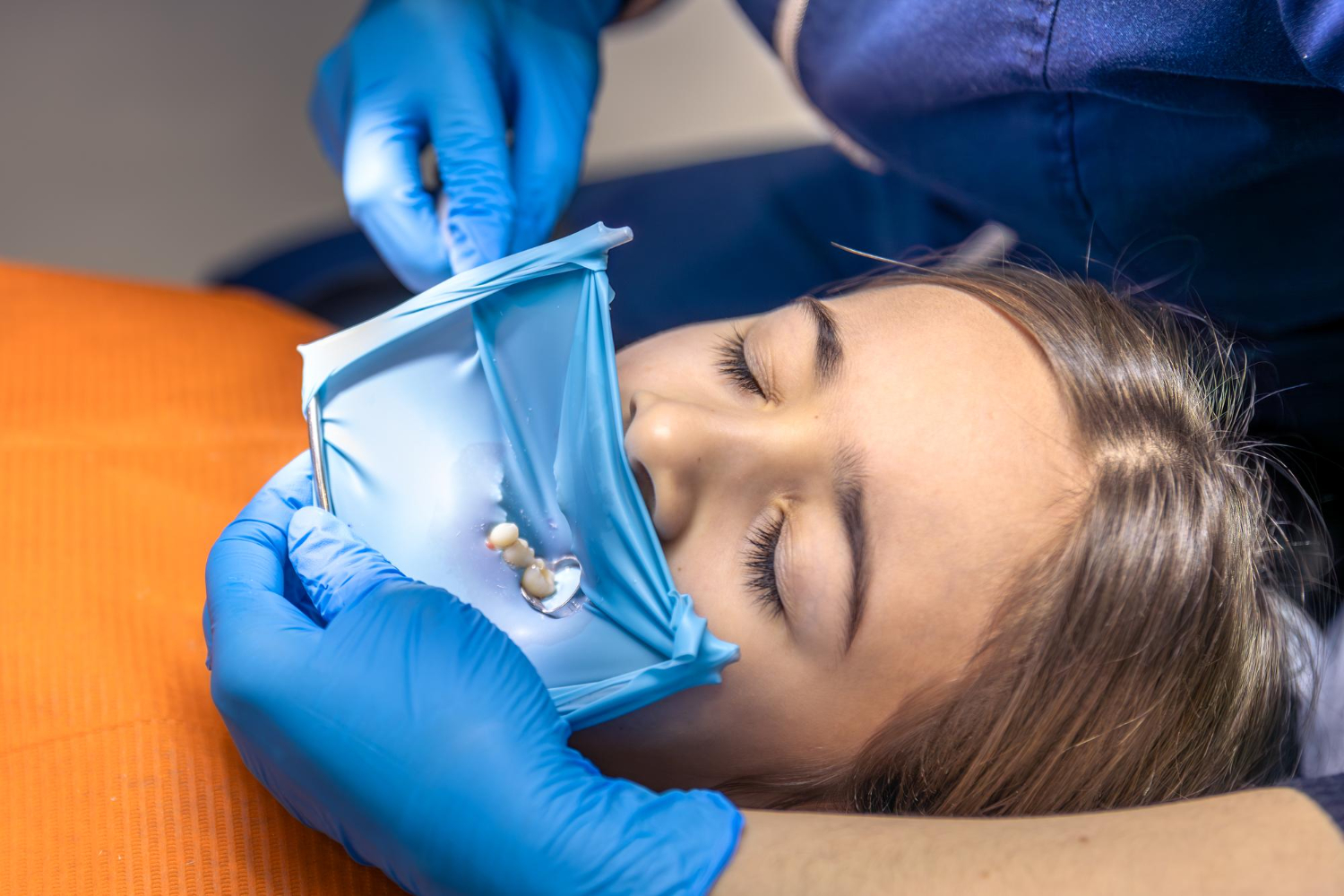
When a bone graft is placed directly into the socket right after a tooth is removed, the process is called alveolar bone grafting. A periodontist places a bone graft at the time of tooth extraction to prepare for implant placement. Combining the two steps into one visit is efficient and preserves the bone before it has a chance to shrink.
Alveolar bone grafting takes two to six months to heal before you can proceed with implant placement. The early days of recovery are simple for most patients. Initial recovery takes about a week, and most people can return to their normal routine quickly. The graft itself, however, needs more time to knit with the patient’s own bone. The bone graft needs at least three months to heal. If you need a large bone graft, it may take longer, and full healing can take up to one year in more involved cases.
Types of Bone Graft Material
The material used in a bone graft depends on the condition of the extraction site and the treatment plan. If the implant site shows signs of bone loss after tooth extraction, the dentist or periodontist may place a cadaver or synthetic bone at the site. These materials build up the bone tissue and create the solid base an implant needs.
Cadaver bone, also called allograft, is processed bone from a human donor. Synthetic bone is manufactured to mimic the structure of natural bone. Both are safe and widely used in dental implant treatment.
If the site has no bone loss, the dentist may use a different type of graft. An onlay bone graft is placed above the existing bone to add thickness or height. This approach is often used when the jaw ridge is too thin or flat to support an implant. Your periodontist chooses the technique based on a thorough evaluation of the area.
Healing Timeline After Bone Grafting
The healing process for a bone graft happens in stages. The table below summarizes the timeline that patients in Brandywine can expect after grafting an extraction site.
| Stage | What to Expect |
|---|---|
| First week | Initial recovery; most patients return to their normal routine |
| Three months | Minimum healing time for the bone graft tissue |
| Two to six months | Typical healing window for alveolar bone grafting before implant placement |
| Up to one year | Full healing for large bone grafts |
Each patient heals at a different pace, and the size of the graft plays a major role in the timeline. Small grafts placed into a fresh extraction socket often heal faster than large grafts used to rebuild a significant defect. Your periodontist will follow your healing closely and let you know when the site is ready for implant placement.
Common Reasons Bone Grafting Is Needed
Tooth extraction is not the only reason patients need bone grafting. The procedure also addresses bone loss caused by other conditions and events. Common reasons include:
- Previous extractions that left the jaw with inadequate bone structure
- Gum disease, which can erode the bone supporting the teeth
- Periodontal disease and the bone loss that comes with it
- Injuries that damage the jaw or facial bones
- Facial trauma that affects the structure of the mouth
- Tooth loss from decay or other causes
- Facial surgery sites that require bone restoration
Bone grafting can replace bone that has been lost due to tooth loss, facial surgery sites, facial trauma, or other causes. It also limits or prevents bone recession after an extraction, giving the jaw a better chance to maintain its natural shape. For anyone planning dental implants, these repairs are often essential before the implant can be placed.
The Role of a Periodontist in Brandywine
Periodontists focus on the gums and the bone that support the teeth. That makes them well suited to perform bone grafting after extraction and to plan the implant placement that follows. A periodontist places a bone graft at the time of tooth extraction to prepare for implant placement, which means fewer visits and less waiting for the patient.
Patients in Brandywine who are considering dental implants should have their jaw bone evaluated before the extraction whenever possible. This allows the periodontist to determine whether grafting is needed and which type of graft will work best. Planning ahead also provides a clear timeline. After alveolar bone grafting, patients typically wait two to six months before moving forward with implant placement.
Every case is different, and the right approach depends on the health of the jaw, the size of the graft, and the patient’s overall oral health. Consulting a periodontist early ensures that the extraction site is preserved and that the path to a dental implant is as smooth as possible.
Frequently Asked Questions
Can a bone graft be placed at the same time as my tooth extraction?
Yes. A periodontist can place a bone graft at the time of tooth extraction to prepare for future implant placement. This approach preserves the socket immediately and helps limit bone recession. It also saves time by combining the extraction and grafting into one appointment.
How long does healing take after a bone graft?
Initial recovery takes about a week, and most patients can resume normal activities quickly. The graft itself needs at least three months to heal, and alveolar bone grafting typically takes two to six months before implant placement can proceed. Large bone grafts may take longer, with full healing potentially taking up to one year.
What materials are used for a bone graft after extraction?
If there is bone loss after extraction, a dentist or periodontist may place cadaver bone or synthetic bone at the site to build up bone tissue. When the site has no bone loss, an onlay bone graft placed above the existing bone may be used. The material is chosen based on the patient’s specific needs.
Why is bone grafting necessary before dental implants?
Dental implants need adequate bone to support their full length and width. After a tooth is lost, the jaw bone begins to deteriorate without root stimulation. Bone grafting repairs implant sites with inadequate bone structure caused by previous extractions, gum disease, or injuries, creating a stable foundation for the implant.
Conclusion
Bone grafting after extraction can play an important role in preserving the jaw and creating a strong foundation for a future dental implant. Acting early can help limit bone loss, support proper healing, and reduce the need for more extensive bone restoration later. While healing times vary, planning the extraction and grafting process with a periodontist can make the path to implant treatment more predictable.
If you are considering bone grafting after extraction in Brandywine, MD, Sorkin Perio can evaluate your jaw health and help determine the right approach for preserving your bone. Request an appointment to discuss your treatment options and take the next step toward a stable, healthy smile.