
Oral Sedation Experience in Brandywine: What to Expect
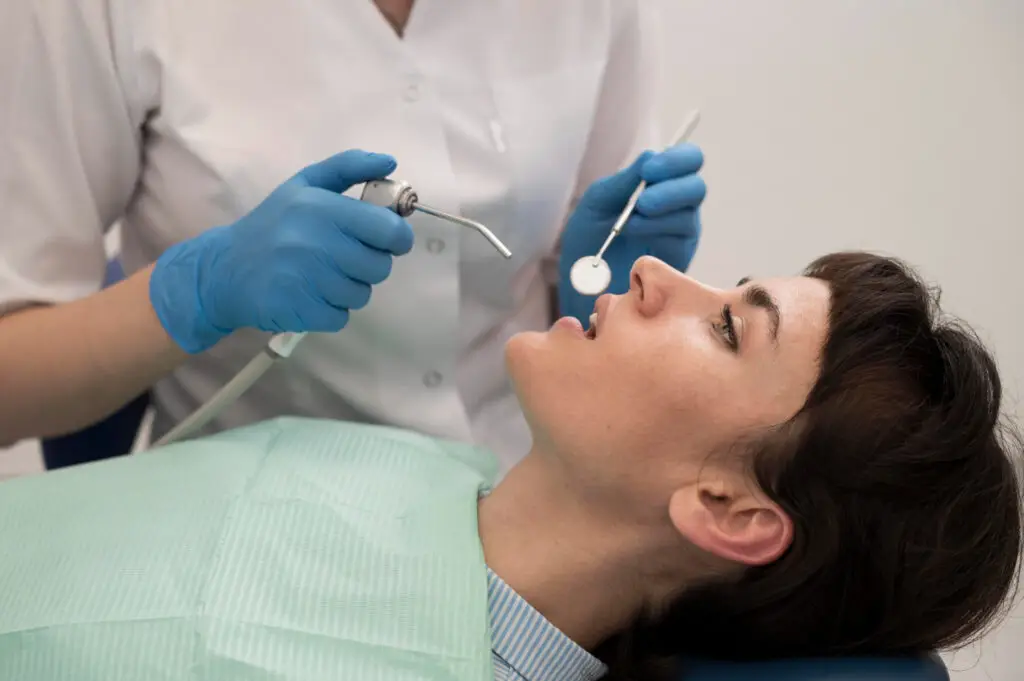
Feeling anxious about a dental visit is common. For many people, that anxiety leads to delayed care, which can make dental problems worse over time. Sedation dentistry offers a solution for overcoming dental anxiety and fear, and oral sedation is one of the most convenient ways to receive care in a calm state. Knowing how […]
How Oral Sedation Helps Patients with Dental Anxiety in Brandywine
Dental anxiety is a common barrier that prevents people from seeking routine cleanings, gum disease treatment, or implant placement. For those who feel tense at the thought of a dental appointment, oral sedation offers a practical solution. By taking a simple pill about an hour before the visit, patients can experience deep relaxation while remaining […]
Oral Sedation in Brandywine, MD: Comfortable Periodontal Care
For many patients, the thought of dental procedures triggers anxiety that can delay necessary treatment. Periodontal care, which focuses on the gums and supporting structures of the teeth, often involves more extensive work than a routine cleaning. Oral sedation offers a way to remain relaxed and comfortable during these treatments without the need for needles […]
Scaling and Root Planing vs Regular Cleaning: Key Differences
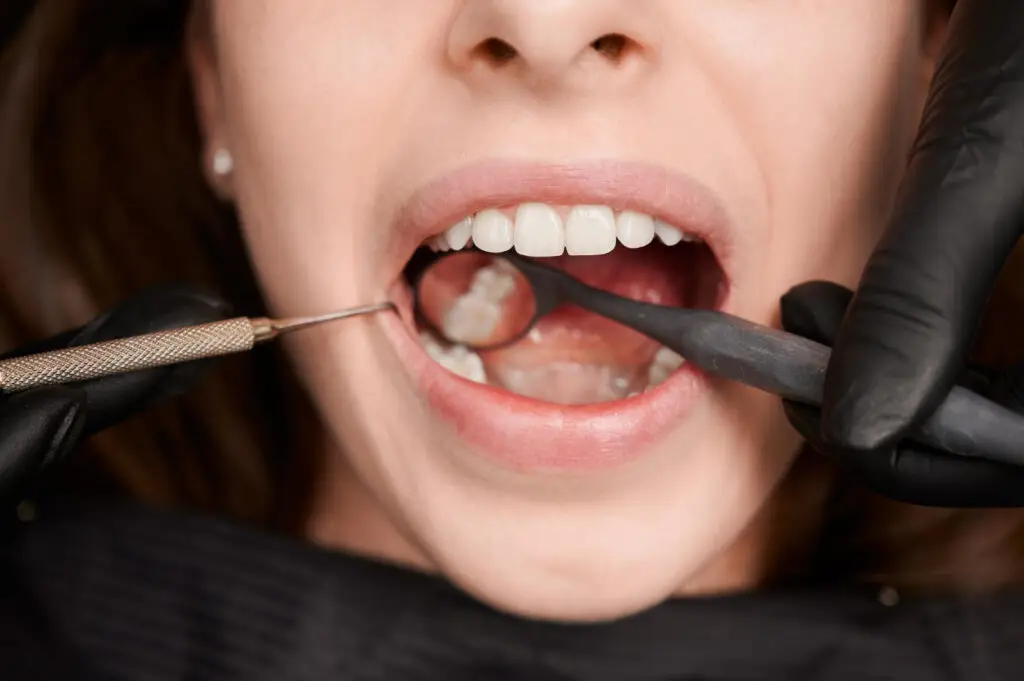
Many people assume that every dental cleaning is the same. In reality, there is a clear distinction between a routine cleaning and a deep cleaning known as scaling and root planing. Each procedure serves a different purpose, and understanding which one you need can make a significant difference in your oral health. Understanding the differences […]
What to Expect During a Periodontal Maintenance Visit in Brandywine

Periodontal maintenance is an ongoing program designed to prevent disease in the gum tissues and bone that support your teeth. After active treatment for gum disease, such as scaling and root planing or laser therapy, the condition is brought under control. A personalized maintenance program is then provided to help keep it under control over […]
Why Regular Dental Cleanings Are Not Enough for Gum Disease Patients
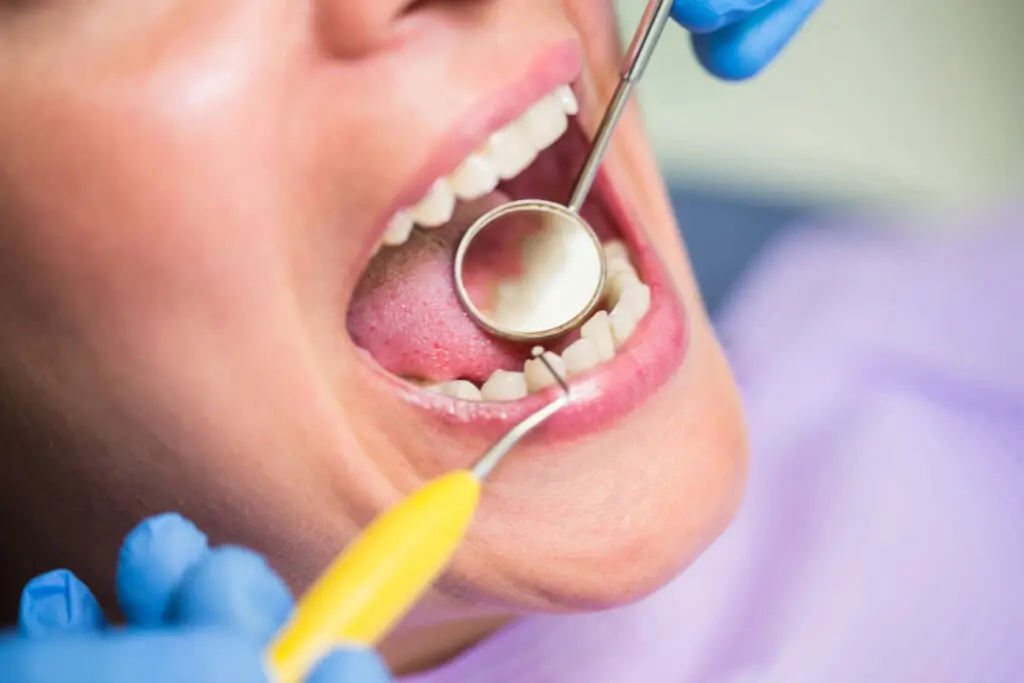
Many people assume that a standard six-month dental cleaning is all they need to keep their mouth healthy. But for the millions of adults living with periodontal disease, that routine visit is not sufficient. Gum disease affects the tissues and bone that support your teeth, and it requires a specialized, ongoing care plan. In Brandywine, […]
Periodontal Maintenance Brandywine MD: Protect Your Gum Health
If you have been treated for gum disease, your dentist or periodontist has likely discussed the importance of ongoing care. Periodontal maintenance helps prevent the recurrence of gum disease by removing bacteria and plaque from teeth and gums. This specialized cleaning is different from a routine dental cleaning and is essential for patients who have […]
Best Periodontist for Gum Disease in Brandywine MD
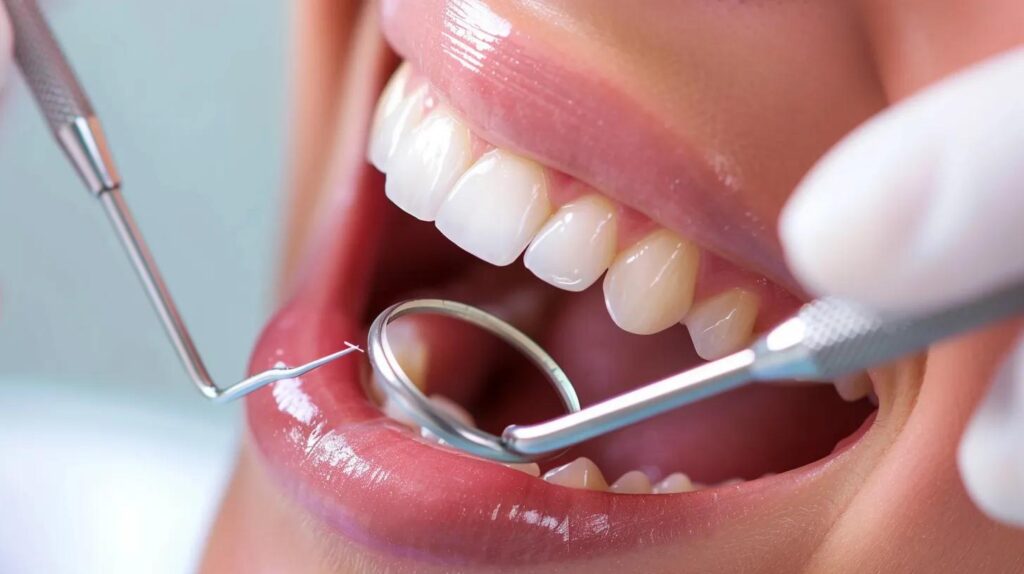
Discover how gum disease is diagnosed and treated in Brandywine, MD, with expert care, laser therapy, gum grafting, and implant solutions.
Understanding Frenectomy: A Step-by-Step Guide to the Procedure and Recovery

If you’ve ever heard of a frenectomy but aren’t quite sure what it involves, you’re not alone. It’s a procedure that’s gaining more attention for its importance in both pediatric and adult oral health. A frenectomy is a relatively simple surgical procedure that removes or alters the frenulum, a small piece of connective tissue that […]
Gum Recession: Why it Happens, and How to Treat it

A healthy smile is not just about bright teeth. Your gums play a crucial role in keeping your teeth stable, strong, and protected. When gum tissue begins to pull back, it can leave your tooth roots exposed and vulnerable. This condition is known as gum recession. According to the American Academy of Periodontology, nearly half […]