Feeling anxious about a dental visit is common. For many people, that anxiety leads to delayed care, which can make dental problems worse over time. Sedation dentistry offers a solution for overcoming dental anxiety and fear, and oral sedation is one of the most convenient ways to receive care in a calm state. Knowing how the oral sedation experience in Brandywine works can help you feel prepared for every stage of the visit.
What Is Oral Sedation?
Oral sedation is a form of sedation dentistry in which medication is taken by mouth. It is classified as mild sedation in most cases. With oral sedation, you remain awake or very sleepy throughout the entire procedure and are able to breathe on your own. This makes it different from deeper levels of sedation, where you may be completely unaware of the treatment taking place. Oral conscious sedation is sometimes called sleep dentistry, even though the patient is often not fully asleep.
The medication is usually given as a simple pill. You take it about an hour before the appointment, and it produces a state of deep relaxation by the time the dental work begins. You remain responsive enough for the dental team to talk with you, which helps the visit feel calm and controlled.
Who Can Benefit from Oral Sedation?
Sedation dentistry is designed for patients who find dental visits overwhelming. The common signs that oral sedation may help include a fear or anxiety of being at the dentist, a hard time sitting still for long periods of time, and a hard time getting and staying numb from anesthetics. If you recognize yourself in any of these descriptions, talk to your dental team about oral sedation options. This is especially relevant for longer periodontal procedures that require patience and stillness.
What to Expect Before Oral Sedation
Good preparation begins with a conversation. The dental team will review your health history, explain the sedation options available, and confirm whether oral sedation is appropriate for your treatment. Because every dental office has its own routines, you should ask specific questions before the appointment. What time should you take the pill? Should you eat or drink before the visit? Will someone need to accompany you? The answers help you plan your day.
Oral sedation is usually started with a pill about one hour before your scheduled visit. That timing allows the medication to take effect before you enter the treatment room. In some settings, such as an oral surgery office offering intravenous anesthesia, patients may be instructed not to eat or drink anything, including water, for eight hours prior to the appointment. For oral sedation, your instructions may differ. Always go by the recommendation of the dental team.
Your health history plays a role in determining the right sedation plan. The dentist or periodontist will ask about current medications, medical conditions, and any past experiences with sedation. This information helps them select a safe and effective approach. Be honest about what you are feeling, including your level of anxiety, so the team can tailor the appointment to your needs.

What to Expect During Oral Sedation
During the appointment, the sedation is already active. You will be relaxed, calm, and possibly very sleepy. Although you may feel drowsy, you remain able to breathe on your own. The dentist and staff will monitor you throughout the procedure to make sure you are comfortable.
Oral conscious sedation is designed to reduce discomfort while you remain aware enough to respond. The dentist will also administer a local anesthetic to the treatment area. This means you should experience little to no discomfort during the dental procedure. You may be aware of movements or sensations, but the anxiety and distress are reduced to a much lower level.
For people undergoing a root canal, tooth extraction, oral surgery, or implant placement, this calming effect can make a significant difference. Sedation can also help patients who have a hard time sitting still, because the relaxed state makes it easier to remain in place for the required amount of time.
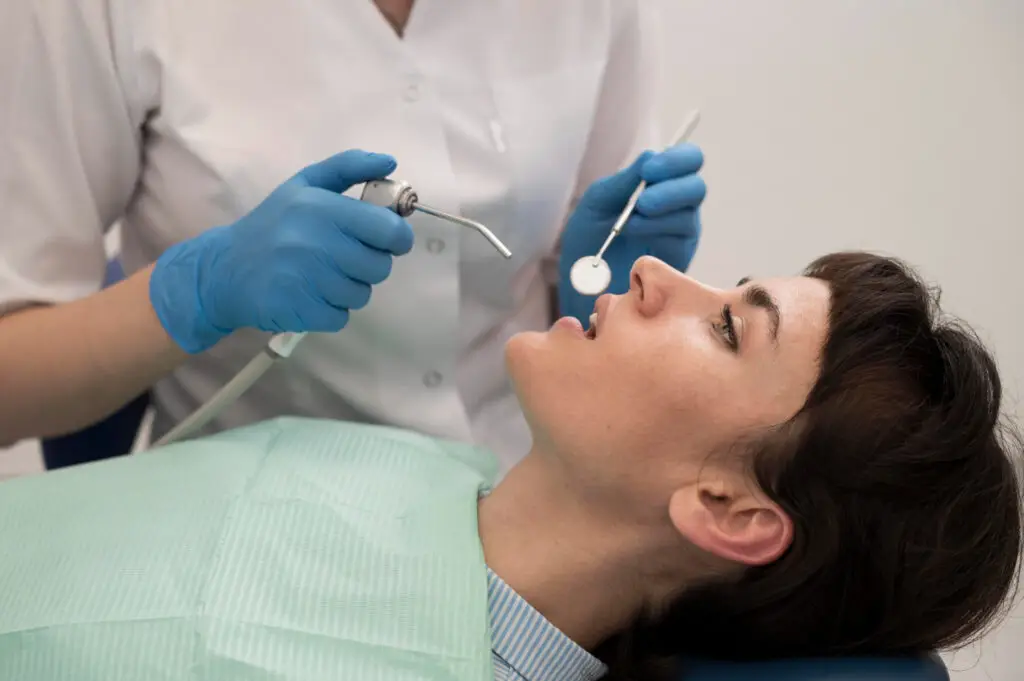
You will likely be seated in the dental chair after the medication has taken effect. Some patients feel so relaxed that they doze off for part of the visit. Others remain aware of what is happening but care much less about it. Either way, the dental team can continue with the procedure while you stay comfortable and at ease.
The Role of Local Anesthetic
Oral sedation helps with relaxation, but it does not replace the need for local anesthesia. Oral conscious sedation will put you at ease so you experience little to no discomfort, and your doctor will also administer a local anesthetic to the treatment area. The local anesthetic is responsible for numbing the specific site, while the sedation works on your overall anxiety and awareness. The combination allows for a smoother experience.
What to Expect After Oral Sedation
After the treatment is complete, your dental team will help you recover from the effects of the medication. The level of drowsiness you feel depends on how the sedation was given and how your body responds. You may not remember much of the procedure itself. Many people are surprised to finish a long appointment with only a vague memory of sounds or pressure.
After the procedure, it is normal to feel the lingering effects of the medication. Because oral sedation can leave you very sleepy, Arrange for a responsible adult to drive you home, as the effects of oral sedation can last for several hours. Also ask what activities you can resume after the appointment. Your dental team will provide instructions that match your treatment and the level of sedation used.
Why Comfort Matters for Periodontal and Dental Care
Receiving dental care while relaxed has benefits beyond the appointment itself. Patients who have a comfortable experience are more likely to keep up with future visits and complete necessary treatment. In periodontal therapy, gum grafting, or implant placement, a calm and cooperative patient can make the procedure more efficient and less stressful for everyone involved. Oral sedation helps create that environment by reducing anxiety before and during treatment.
Many people who struggle with dental fear benefit from having time to talk through the process. Ask your dentist in Brandywine to explain how oral sedation works in their office, including what you should expect from the medication and when to take it. With the right preparation, the experience can feel less intimidating and much more peaceful.

Questions to Ask Before Your Oral Sedation Appointment
To make the oral sedation experience in Brandywine as smooth as possible, ask your dental team these questions when you schedule your appointment:
- When should I take the sedation pill? Your team may instruct you to take it about an hour before your appointment.
- Should I eat or drink before the visit? The answer may depend on your medical history and the type of sedation being used.
- Should I arrange for someone to drive me home? Because sedation can cause drowsiness, this is worth confirming in advance.
- What should I do if I have questions the day before? A quick phone call can help reassure you about the plan.
Why Choose Sorkin Perio for Oral Sedation in Brandywine, MD?
Choosing the right periodontal team can make all the difference when it comes to a comfortable dental experience. At Sorkin Perio, we take the time to understand your concerns, review your medical history, and recommend the most appropriate sedation option for your needs. Our experienced team is committed to providing compassionate care in a calm, welcoming environment while using advanced periodontal techniques. Whether you’re receiving gum disease treatment, dental implants, or another periodontal procedure, your comfort, safety, and peace of mind are our top priorities.
Conclusion
Oral sedation can make periodontal treatment a more comfortable and stress-free experience for patients with dental anxiety. Understanding what to expect before, during, and after your appointment can help you feel more confident about receiving the care you need. Contact Sorkin Perio today to schedule a consultation and find out if oral sedation is the right choice for your periodontal treatment.
Frequently Asked Questions
Are You Awake During Oral Sedation?
Yes, you remain awake during oral sedation in most cases, although you may be very sleepy. This is a form of mild sedation, and you are able to breathe on your own throughout the procedure. The dental team can still interact with you, and a local anesthetic is used to keep the treatment area comfortable.
How Long Does It Take Oral Sedation to Kick In?
Oral sedation is usually given as a pill that is taken about an hour before the dental visit. That hour gives the medication time to create a calm, relaxed feeling before you sit in the chair. The exact timing may vary, so always follow the instructions provided by your dental team.
Will I Feel Anything During Oral Sedation?
Oral conscious sedation is intended to put you at ease so that you experience little to no discomfort during the procedure. In addition, a local anesthetic is administered to the treatment area, so the dental work itself is not painful. You may still feel some pressure or movement, but the overall experience is much more comfortable.
Will I Remember My Dental Procedure with Oral Sedation?
Many patients have little or no memory of the procedure after oral sedation. This is especially true for longer or more complex treatments such as oral surgery or tooth extraction. The medication creates a deeply relaxed state, and some patients doze or lose track of time. Ask your dental team what to expect for your specific treatment.