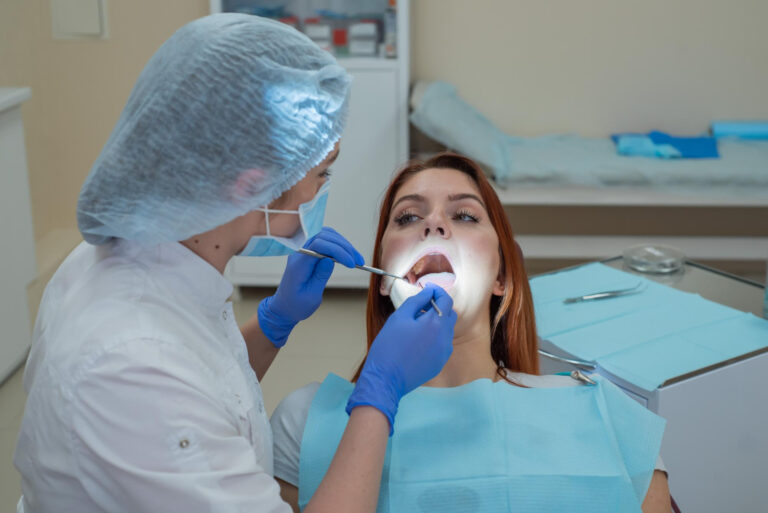
For many patients, the thought of dental procedures triggers anxiety that can delay necessary treatment. Periodontal care, which focuses on the gums and supporting structures of the teeth, often involves more extensive work than a routine cleaning. Oral sedation offers a way to remain relaxed and comfortable during these treatments without the need for needles or intravenous lines. This article explains what oral sedation is, how it compares to other sedation methods, and where patients in Brandywine, MD, can find it for their periodontal needs.
What Is Oral Sedation Dentistry?
Oral sedation is a form of conscious sedation that uses a prescription pill taken before the dental appointment. It is a needle-free approach that helps patients feel calm and drowsy while still remaining awake and able to respond to the dental team. Common medications used for oral sedation are benzodiazepines, including Valium, Halcion, Xanax, and Ativan. These drugs reduce anxiety and create a state of deep relaxation. Because the patient is conscious, they can follow instructions during the procedure, which is especially helpful for complex periodontal treatments such as scaling and root planing or gum grafting.
Benefits for Periodontal Treatment
Periodontal procedures often require precision and time. Gum disease treatment, dental implant placement, laser therapy, and gum recontouring can last more than an hour. Patients who feel anxious may clench their jaws or move involuntarily, making the provider’s work more difficult. Oral sedation helps the patient remain still and comfortable, allowing the periodontist to focus on the clinical tasks. The medication also produces a mild amnesic effect, meaning many patients remember little of the procedure afterward. This combination of relaxation and reduced memory of the event makes oral sedation an attractive option for those who have avoided periodontal care due to fear.
How Oral Sedation Works
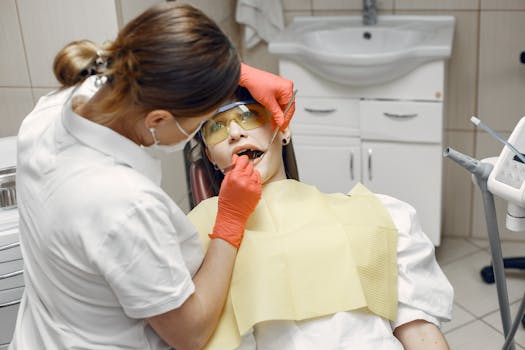
The process begins before the appointment. The patient receives a prescription for the sedative pill and takes it at a specific time, usually about an hour before the scheduled treatment. By the time they arrive at the office, the medication has taken effect. The patient will feel drowsy but can still communicate. A friend or family member must drive them to and from the appointment, as the effects of the sedative can impair coordination and judgment. The dental team monitors vital signs throughout the procedure to ensure safety. Afterward, patients continue to feel drowsy for several hours and should not drive or operate machinery for the rest of the day.
Oral Sedation vs. IV Sedation
Both oral and IV sedation are used to help patients relax during dental care, but they differ in method and control. The table below summarizes the key differences based on information from providers in the area.
| Aspect | Oral Sedation | IV Sedation |
|---|---|---|
| Administration method | Prescription pill taken by mouth | Intravenous line inserted in arm or hand |
| Level of relaxation | Mild to moderate; patient remains conscious | Moderate to deep; can be adjusted during treatment |
| Monitored | Yes, by dental team | Yes, with ability to reverse using antidote if needed |
| Needles | None | Yes, for IV insertion |
| Escort required | Yes | Yes |
IV sedation allows the provider to fine-tune the level of relaxation throughout the procedure. Oral sedation offers a simpler, needle-free alternative that works well for many patients. Both options require an escort home and prohibit driving afterward.
Safety Considerations and Contraindications
Oral sedation is safe for most patients when used under professional supervision. However, certain conditions and medications can increase risks. Patients should disclose their full medical history before receiving a prescription. According to guidelines from area dental practices, benzodiazepines should not be used if the patient has:
- A known allergy to benzodiazepines
- Narrow-angle glaucoma
- Pregnancy
- Severe respiratory disease such as COPD
- Congestive heart failure
- Impaired kidney or liver function
- Depression, bipolar disorder, or psychoses
- Chronic bronchitis
Additionally, oral sedation should not be mixed with other central nervous system depressants, including alcohol. Patients should follow all pre-appointment instructions provided by their dental office.
Why Choose Sorkin Perio for Oral Sedation in Brandywine, MD?
Choosing an experienced periodontal team can make a significant difference in your comfort and overall treatment experience. Patients receive personalized care, a thorough evaluation, and guidance in selecting the most appropriate sedation option for their needs. Sorkin Perio is committed to providing safe, comfortable periodontal care in a welcoming environment, helping patients feel relaxed and confident throughout their treatment.
Conclusion
Oral sedation can make periodontal treatment more comfortable for patients with dental anxiety or those undergoing longer procedures. If you’re ready to receive the care you need without unnecessary stress, contact Sorkin Perio today to schedule a consultation and find out whether oral sedation is the right choice for your periodontal treatment.
Frequently Asked Questions
What is the difference between oral sedation and laughing gas?
Oral sedation involves taking a prescription pill that produces a deeper state of relaxation than nitrous oxide, or laughing gas. Nitrous oxide is inhaled through a mask and wears off quickly after the gas is stopped. Oral sedation lasts several hours and requires an escort home, whereas patients can usually drive themselves after nitrous oxide.
How should I prepare for an oral sedation appointment?
You must arrange for a ride to and from the office because you cannot drive after taking the medication. Avoid alcohol and other central nervous system depressants for at least 24 hours. Follow any specific instructions from your dental provider, and make sure they are aware of your full medical history, including all medications and supplements you take.
Are there any health conditions that prevent a person from using oral sedation?
Yes. Oral sedation is generally not recommended for patients with narrow-angle glaucoma, pregnancy, severe respiratory diseases such as COPD or chronic bronchitis, congestive heart failure, impaired kidney or liver function, or certain psychiatric conditions including depression and bipolar disorder. A known allergy to benzodiazepines also rules out this option.
Will I be completely asleep during the procedure?
No. Oral sedation is a form of conscious sedation. You will remain awake and able to respond to the dental team, but you will feel very relaxed and drowsy. Many patients have little or no memory of the procedure afterward due to the mild amnesic effect of the medication.
How do I find a provider who offers oral sedation for periodontal care in Brandywine?
If you are considering oral sedation for periodontal treatment, choose a provider with experience in periodontal procedures and dental sedation. During your consultation, ask whether oral sedation is appropriate for your treatment, what medications are used, and what instructions you should follow before and after your appointment. A periodontal evaluation can help determine whether oral sedation is the right option for your needs.