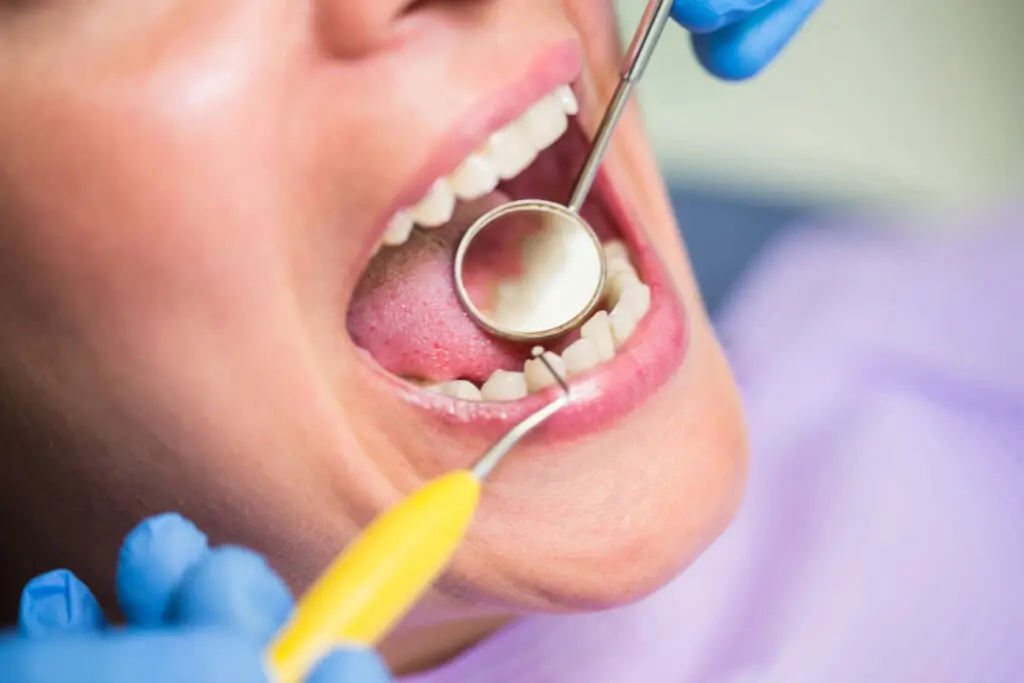
Many people assume that a standard six-month dental cleaning is all they need to keep their mouth healthy. But for the millions of adults living with periodontal disease, that routine visit is not sufficient. Gum disease affects the tissues and bone that support your teeth, and it requires a specialized, ongoing care plan. In Brandywine, periodontists emphasize that professional maintenance therapy is the only way to manage the condition long term and prevent serious consequences like tooth loss.
The Difference Between a Standard Cleaning and Periodontal Maintenance
A regular dental cleaning, also called prophylaxis, is designed for patients with healthy gums. It removes surface plaque and tartar above the gumline and polishes the teeth. Periodontal maintenance, on the other hand, is a specialized cleaning for patients who have been treated for gum disease. It targets the deep pockets between teeth and gums where bacteria accumulate. The goal is not just cleaning but actively preventing the disease from returning. Maintenance therapy is an ongoing program designed to prevent disease in the gum tissues and bone supporting your teeth.
Why Gum Disease Requires Ongoing Care
Gum disease does not go away after a single treatment. Even after scaling and root planing, bacterial plaque can cause a recurrence of gum disease from two to four months after your last professional cleaning. This means that a six-month gap between standard cleanings is far too long for someone with a history of periodontal problems. The frequency of supportive periodontal care visits is influenced by several factors, including the type of periodontal disease, the type of treatment you received, your response to that treatment, the rate of plaque growth, and your personal commitment to home care. That is why your periodontist creates a personalized maintenance program after active treatment, to keep your gums healthy and stable.

The Hidden Scale of Gum Disease
Research shows that four out of five people have periodontal disease and do not know it. Because early stages are often painless, many patients ignore subtle warning signs. Periodontal disease is the number one reason for tooth loss in adults, yet it is highly manageable with proper care. If you have already been diagnosed and treated, you cannot afford to fall back into the routine of a standard cleaning. The disease can return silently, progressing before you feel discomfort. Regular maintenance visits catch these changes early.
What Happens During a Periodontal Maintenance Visit
A periodontal maintenance visit is far more comprehensive than a standard cleaning. It typically includes the following steps:
- Review of your health history and any changes since your last visit
- Examination of your gum tissue for signs of inflammation or infection
- Measurement of pocket depths around each tooth to track bone health
- Assessment of your oral hygiene routine and home care technique
- Thorough removal of plaque and tartar both above and below the gumline
- X-rays as needed to check for bone loss or hidden problems
- Check for tooth decay and evaluation of your bite
- Application of medications or antimicrobials to reduce bacteria
This level of detail is not part of a standard cleaning. Your periodontist uses these findings to adjust your treatment plan and keep the disease under control.
Recognizing When Your Maintenance Plan Needs Adjustment
Even with regular maintenance, you should watch for signs that your gum disease may be active. Common indicators include bleeding gums when brushing or flossing, loose teeth, new spacing between teeth, persistent bad breath, pus around the gums, receding gums, red or puffy gum tissue, and tenderness. If you notice any of these symptoms between visits, contact your periodontist right away. Early intervention can prevent the need for more aggressive treatment later.
How Often Should You Have Periodontal Maintenance?
There is no one-size-fits-all schedule for maintenance. The frequency is determined by your specific situation. Some patients may need visits every three months, while others may require more frequent care. Your periodontist will base this decision on the severity of your disease, how well you responded to treatment, and how effectively you maintain your oral hygiene at home. Sticking to this schedule is essential because bacterial plaque can trigger a recurrence in as little as two to four months. Skipping or delaying visits gives the disease a chance to damage the supporting bone around your teeth.
Commitment to Home Care and Professional Support
Professional maintenance is only one half of the equation. Your personal commitment to home care, brushing twice a day, flossing daily, and using any prescribed antimicrobial rinses, plays a large role in your success. But even the most diligent home routine cannot reach the deep pockets where bacteria hide. That is why ongoing professional care is non-negotiable. After active periodontal treatment, a personalized maintenance program is provided to keep gums healthy. Together, your efforts and your periodontist’s expertise form a powerful defense against gum disease.
Protect Your Smile Beyond a Routine Cleaning
If you have received treatment for gum disease, do not settle for a standard dental cleaning. Regular cleanings are designed for healthy mouths, not for managing a chronic condition. Periodontal maintenance addresses the unique needs of your gums and bone. In Brandywine, periodontists are ready to create a maintenance plan personalized to your health history, disease type, and personal habits. With consistent care, you can keep your teeth for a lifetime and avoid the serious consequences of untreated gum disease.
Why Choose Vivian A. Sorkin, DMD Periodontics & Implant Dentistry for Periodontal Maintenance?
At Vivian A. Sorkin, DMD Periodontics & Implant Dentistry, periodontal maintenance is designed to help patients protect their smiles long after active gum disease treatment. Dr. Sorkin and her team provide personalized maintenance plans based on your periodontal health, treatment history, and individual risk factors. During each visit, they carefully evaluate your gums, monitor pocket depths, remove plaque and tartar from above and below the gumline, and identify any early signs of recurring disease. With a focus on preventive care, patient education, and long-term oral health, the practice is committed to helping you maintain healthy gums and preserve your natural teeth for years to come.
Conclusion
Managing gum disease does not end after your initial treatment. Ongoing periodontal maintenance is essential for keeping harmful bacteria under control, protecting the bone that supports your teeth, and reducing the risk of future complications. At Vivian A. Sorkin, DMD Periodontics & Implant Dentistry, every maintenance visit is tailored to your unique oral health needs, helping you stay ahead of gum disease with personalized, preventive care. By combining regular periodontal maintenance with good daily oral hygiene, you can enjoy healthier gums and a stronger, more confident smile for the future.
Frequently Asked Questions
Is periodontal maintenance covered by dental insurance?
Many dental insurance plans cover periodontal maintenance, but coverage varies. Typically, it is billed as a separate procedure from a standard cleaning. Check with your provider to confirm how many visits per year are included and what your copay or deductible may be. Your periodontist’s office can also help verify your benefits before your first appointment.
Can I ever go back to a regular six-month cleaning?
Once you have a history of gum disease, you generally need to remain on a periodontal maintenance schedule. The underlying bone and tissue damage cannot be reversed, and the disease can return quickly. Your periodontist will decide when, or if, you can extend the interval between visits, but a switch back to standard prophylaxis is rarely recommended.
Does periodontal maintenance prevent tooth loss?
Yes. Periodontal disease is the leading cause of tooth loss in adults. Regular maintenance visits are designed to stop disease progression, reduce pocket depths, and preserve the bone that supports your teeth. When combined with good home care, maintenance significantly lowers the risk of losing teeth to gum disease.
What happens if I skip a maintenance visit?
Skipping even one appointment allows bacterial plaque to accumulate in the deep pockets around your teeth. Within two to four months, active inflammation can return, leading to further bone loss. The longer you delay, the more aggressive the disease can become, potentially requiring additional scaling and root planing or surgery to bring it under control.
How long does a periodontal maintenance appointment take?
Periodontal maintenance typically takes longer than a standard cleaning, often lasting 45 minutes to an hour. The extra time is needed for thorough probing, assessment, and cleaning below the gumline. Your periodontist will use this opportunity to evaluate your gum health and update your care plan as needed.
Gum Health and Your Whole-Body Health
Gum disease does not stay in the mouth. It can cause inflammation throughout the body, and people with diabetes or heart disease are particularly affected. There is growing evidence that treating gum disease can help improve blood sugar levels in patients with diabetes, so keeping up with maintenance visits supports more than your teeth.
Cost is a common reason patients delay care, but advanced gum treatment, tooth replacement and health problems linked to untreated gum disease are usually far more costly than regular maintenance.