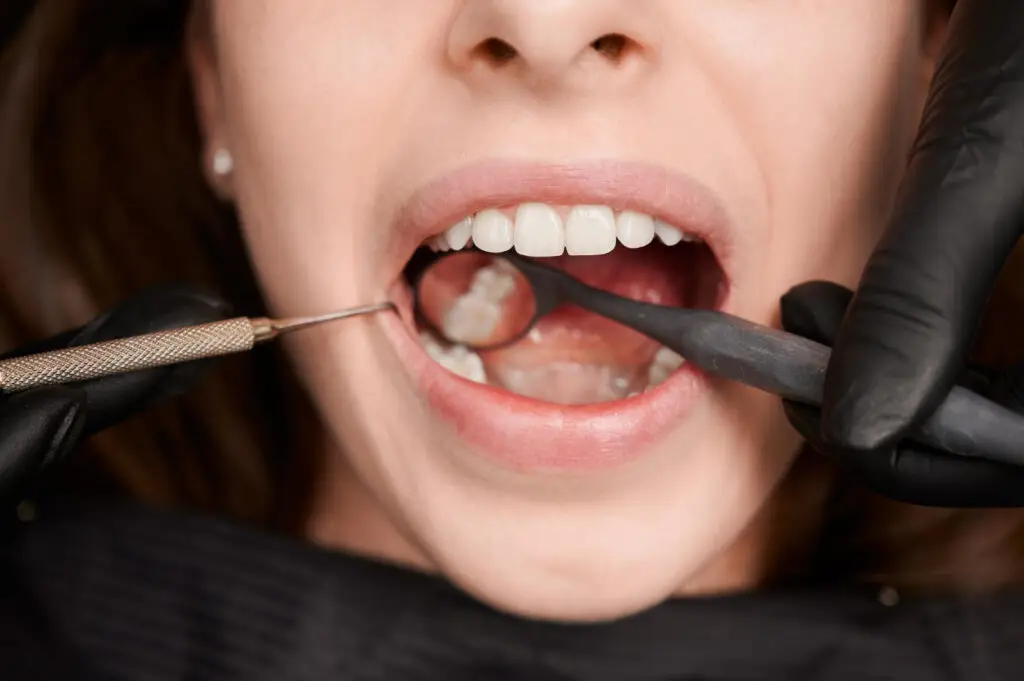
Many people assume that every dental cleaning is the same. In reality, there is a clear distinction between a routine cleaning and a deep cleaning known as scaling and root planing. Each procedure serves a different purpose, and understanding which one you need can make a significant difference in your oral health. Understanding the differences between scaling and root planing and a regular dental cleaning can help you make informed decisions about your oral health and treatment options.
What Is a Regular Dental Cleaning?
A regular dental cleaning, also called a prophylaxis, is a preventive procedure. It is recommended for people with healthy gums or mild gingivitis to help prevent future dental problems. The cleaning removes plaque and tartar from above the gumline and from the shallow sulcus around the teeth. Most patients benefit from a routine dental cleaning every six months, although your dentist may recommend a different schedule based on your oral health needs. Local anesthesia is rarely needed, although a topical gel may be applied for sensitive areas. A routine cleaning typically takes between 30 and 60 minutes and is considered a maintenance appointment to keep your mouth healthy.
What Is Scaling and Root Planing?
Scaling and root planing is a non-surgical periodontal treatment used to manage gum disease. It is often referred to as a deep cleaning and is the first step in treating gum disease. During scaling, your dentist or hygienist removes plaque and tartar from both above and below the gumline. Root planing follows, smoothing the root surfaces of the teeth to help the gums reattach to the tooth structure. This procedure targets deposits that collect below the gumline inside periodontal pockets. Local anesthesia is commonly used to keep you comfortable during the deeper cleaning. Scaling and root planing may take 60 to 90 minutes per side and is often completed over one or two visits.
Key Differences Between Scaling and Root Planing and Regular Cleaning
The main difference between a regular cleaning and scaling and root planing lies in the purpose, depth, and frequency of each treatment. The table below summarizes the most important distinctions.
| Factor | Regular Cleaning (Prophylaxis) | Deep Cleaning (Scaling and Root Planing) |
|---|---|---|
| Purpose | Preventive maintenance for healthy gums or mild gingivitis | Therapeutic treatment for gum disease |
| Depth of cleaning | Above gumline and shallow sulcus | Below gumline into periodontal pockets |
| Anesthesia | Rarely needed (topical gel may be used) | Local anesthesia commonly used |
| Recommended frequency | Every 6 months for most patients | Performed as needed for gum disease; followed by periodontal maintenance every 3-4 months |
| Gum health indication | Healthy gums or mild gingivitis (no bone loss, shallow pockets) | Gum disease (bleeding, inflammation, pockets greater than 4 mm, bone loss) |
Who Needs Scaling and Root Planing?
You may need scaling and root planing if your gums show signs of gum disease. These signs include persistent bleeding when brushing or flossing, redness and swelling, tenderness, and bad breath. Your dentist will measure the depth of the pockets around your teeth. Pockets deeper than 4 millimeters, combined with bone loss visible on X-rays, indicate that a regular cleaning is no longer sufficient. Chronic periodontitis, the advanced form of gum disease, affects 47.2 percent of adults over the age of 30 in the United States. That statistic underscores how common this condition is and why understanding the difference between a regular cleaning and a deep cleaning matters.
What to Expect During Deep Cleaning
Because scaling and root planing goes below the gumline, your dentist will typically use a local anesthetic to numb the area. This ensures that the procedure is comfortable. The appointment may last 60 to 90 minutes per side of the mouth. Many patients complete the treatment in two separate visits, one for each side. After the procedure, your gums may feel sore or tender for a few days. Your dentist will provide aftercare instructions, which usually include avoiding certain foods and using a gentle brushing technique until the gums heal.
After Deep Cleaning: Periodontal Maintenance
Once you have received scaling and root planing, your regular six-month cleaning schedule will change. Instead of a routine prophylaxis, your dentist will recommend periodontal maintenance cleanings every three to four months. These maintenance appointments are designed to keep the gum disease under control and to monitor the health of the pockets. Periodontal maintenance is more involved than a regular cleaning because it includes continued monitoring of the depth of the pockets and removal of bacteria below the gumline. Sticking to this schedule is an important part of managing gum disease over the long term.

Can a Regular Cleaning Treat Gum Disease?
No, a regular cleaning is not designed to treat gum disease. A routine cleaning is a preventive measure that works well for people with healthy gums or very early gingivitis. Once gum disease has advanced enough to cause bone loss or deep pockets, a regular cleaning cannot reach the bacteria and tartar that have accumulated below the gumline. Only scaling and root planing, or another deep cleaning method, can remove these deposits and allow the gums to heal. If you have been diagnosed with gum disease, a regular cleaning alone will not resolve the problem.
Why Choose Vivian A. Sorkin, DMD Periodontics & Implant Dentistry for Scaling and Root Planing?
Vivian A. Sorkin, DMD Periodontics & Implant Dentistry provides personalized periodontal care to help patients manage gum disease and maintain healthy smiles. Using advanced diagnostic technology and proven treatment techniques, our team carefully removes harmful plaque and tartar while focusing on your comfort throughout the procedure. We create customized treatment and maintenance plans designed to protect your gums, preserve your natural teeth, and support long-term oral health.
Conclusion
Understanding the difference between a regular dental cleaning and scaling and root planing is essential for protecting your oral health. While routine cleanings help prevent dental problems, scaling and root planing is a specialized treatment that targets gum disease below the gumline. If you have signs of periodontal disease, early treatment and ongoing periodontal maintenance can help protect your gums, preserve your natural teeth, and support a healthy smile for years to come.
Frequently Asked Questions
Is scaling and root planing the same as a deep cleaning?
Yes. Scaling and root planing is the clinical term for a deep cleaning. Both terms refer to the same periodontal procedure that removes plaque and tartar from below the gumline and smooths the tooth roots to help the gums heal and reattach to the teeth.
How do I know if I need a deep cleaning instead of a regular cleaning?
Your periodontist will evaluate your gum health by measuring periodontal pocket depths, checking for signs of bleeding or inflammation, and reviewing X-rays for bone loss. If you have deep periodontal pockets, gum inflammation, or evidence of gum disease, scaling and root planing may be recommended instead of a routine dental cleaning.
Will a deep cleaning hurt?
Scaling and root planing is typically performed using local anesthesia to help keep you comfortable throughout the procedure. After the treatment, you may experience mild soreness or tooth sensitivity for a few days as your gums heal. Your periodontist may recommend over-the-counter pain medication and provide aftercare instructions to support a comfortable recovery.
How often should I have periodontal maintenance after deep cleaning?
Following scaling and root planing, most patients benefit from periodontal maintenance visits every three to four months. These appointments help remove harmful bacteria, monitor your gum health, and reduce the risk of recurring periodontal disease. Your periodontist will recommend a schedule based on your individual needs.
Can I return to regular six-month cleanings after deep cleaning?
Patients who have been treated for periodontal disease typically require ongoing periodontal maintenance rather than routine six-month dental cleanings. These specialized visits help keep gum disease under control, monitor your periodontal health, and support the long-term health of your teeth and gums. Your periodontist will determine the most appropriate maintenance schedule based on your condition.