Tooth loss is never just a cosmetic issue. When a tooth is missing, the jawbone beneath it starts to change, and those changes can affect your facial appearance, your chewing function, and your options for future dental treatment. For patients in Brandywine, MD, dental implants offer a permanent, natural-feeling solution that addresses tooth loss at the root level. The same root-level design is what makes implants uniquely effective at preserving the jawbone.
This article explains the biological process behind bone loss after tooth extraction, how dental implants interrupt that process, and what a periodontist in Brandywine, MD can do to help you maintain a strong and healthy jaw.
Why the Jawbone Needs Constant Stimulation
The human jawbone requires constant stimulation to maintain its density and volume, much like how muscles need regular use to stay strong. Every time you chew, bite down, or speak, the forces from your teeth travel through the tooth roots and into the jawbone. That pressure signals the body to keep depositing bone tissue in that area. Healthy teeth therefore do more than help you eat; they actively keep the jawbone alive and structurally sound.
When a tooth root is removed or lost, that stimulus disappears. The body no longer receives the signal to maintain bone in the empty area, so it begins to reabsorb the bone tissue. This gradual breakdown is called resorption, and it is a natural consequence of tooth loss that can continue for years if the missing tooth is not replaced in a way that restores root-level stimulation.
What Happens to the Jawbone After Tooth Loss
When a tooth is lost, the jawbone no longer gets stimulation from chewing in that specific spot. Without that stimulation, the bone begins to shrink, a process called resorption. Over time, this can change how the face looks. The cheeks may appear sunken, the lips may lose support, and the lower third of the face can take on an aged or collapsed appearance.
The bone loss also affects your remaining teeth. Adjacent teeth may shift into the empty space, which can lead to bite problems, uneven wear, and additional tooth loss. Perhaps most importantly, significant bone loss can weaken the foundation needed for future tooth replacement. If you wait too long to address a missing tooth, you may require additional procedures to rebuild bone before an implant can be placed.
How Dental Implants Mimic Natural Tooth Roots
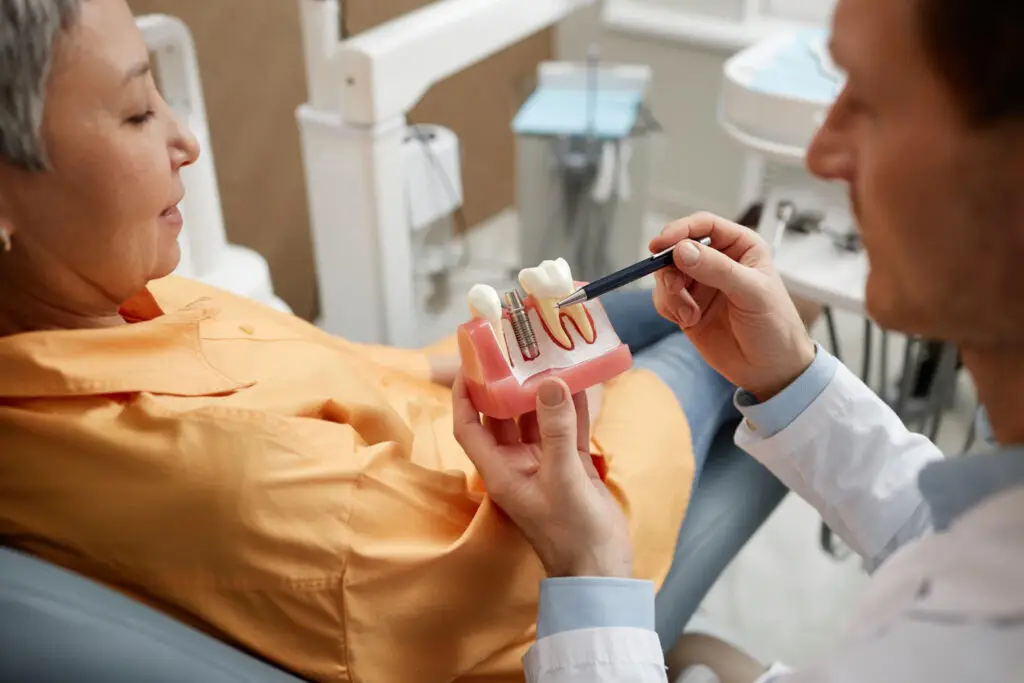
Dental implants are artificial tooth roots that are surgically implanted into the jawbone to support replacement teeth or bridges. They are designed to take over the role of the natural root, providing a stable foundation for a prosthetic crown while also interacting with the jawbone in a biological way.
Implants fuse with the jawbone, providing long-lasting support and preventing bone loss. This fusion, called osseointegration, means the implant becomes part of the bone itself. By mimicking the natural tooth structure, dental implants restore both the appearance and functionality of missing teeth. They offer a permanent solution for tooth loss, enhancing chewing ability, speech, and overall oral comfort.
Because the implant is anchored in the bone, it transmits the forces of chewing directly to the jaw. That stimulation signals the body to continue maintaining bone tissue, just as a natural root would. In fact, implants can stimulate the jaw enough to cause the body to return nutrients to the bone, which effectively mitigates the issue of bone loss.
Why Implants Are Different From Dentures and Bridges
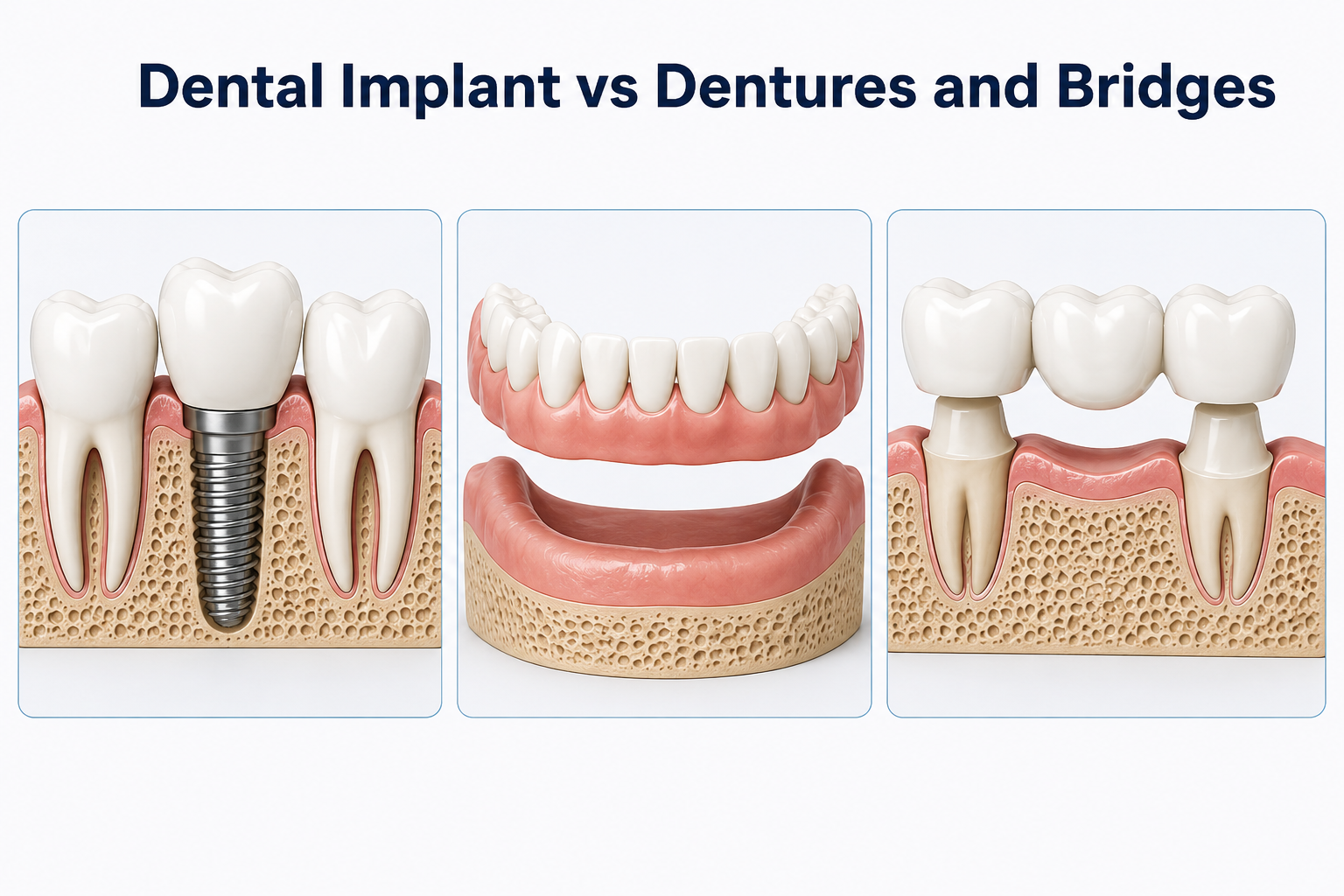
Dental implants are the only tooth replacement that actively prevents bone loss. Unlike dentures or bridges, implants replace the entire tooth, including the root. This distinction is critical for bone health.
Dentures rest on the gum tissue and rely on the underlying ridge for support, but they do not send pressure into the bone in the same way a root does. Bridges are attached to adjacent natural teeth and fill the gap with a prosthetic tooth, but the bone beneath the missing tooth still lacks stimulation. Over time, patients with dentures and bridges can continue to lose jawbone volume, which is why these solutions address the visible gap but not the underlying structural problem.
Individual dental implants provide the most comprehensive solution, replacing each tooth root and preventing bone loss throughout the dental arch. For patients missing one tooth or several, implants can be placed to preserve the jawbone at each site. This is a major reason why implant dentistry has become the preferred option for people who want to protect their long-term oral health.
What If Bone Loss Has Already Occurred?
Some patients are concerned that existing bone loss means they are no longer candidates for dental implants. The good news is that several approaches can rebuild the bone to create a solid foundation for placement.
If the implant site has signs of bone loss after tooth extraction, your dentist may place a cadaver or synthetic bone at the site in order to build up the bone tissue and achieve a solid base to support the implant. This process is referred to as alveolar bone grafting, and it takes 2 to 6 months to heal before you can proceed with implant placement.
If the site has no bone loss, the dentist may use a different bone graft, known as an “onlay bone graft,” that is placed above the existing jawbone. The onlay approach builds up the ridge when the existing bone is structurally adequate but needs additional height or width. In both scenarios, the goal is the same: create enough quality bone so the implant can fuse securely and deliver the long-term bone-preserving benefits implants are known for.
Addressing Tooth Loss Early Protects Your Options
When addressed in time, implants can stop or dramatically impede bone loss. This is why dentists encourage patients not to postpone tooth replacement. The longer a tooth is missing, the more bone volume can be lost, and the more complex the treatment may become. By replacing a missing tooth with an implant in a timely manner, you preserve the bone that is already there and reduce the likelihood of needing a more involved grafting procedure later.
Preserving Your Facial Structure
Dental implants also help preserve facial structure, preventing the bone deterioration that occurs when teeth are missing. The jawbone provides the underlying framework for the lower half of the face. When that framework loses volume, the soft tissues of the face have less support, and the facial profile can change noticeably.
Because a dental implant keeps the bone stimulated, the jaw retains its natural shape and volume. This preserves the contours of the cheeks, lips, and chin, helping patients maintain a more youthful appearance. For many patients, this structural preservation is just as valuable as the functional benefits of chewing and speaking with ease.
Periodontal Expertise in Brandywine, MD
Vivian A. Sorkin, D.M.D., is a periodontist serving patients in Brandywine, MD, with personalized periodontal care that includes dental implants. Periodontists are specialists in the supporting structures of the teeth, including the gums and the jawbone. That training is especially relevant for patients concerned about bone loss, because it means the provider understands exactly how the bone responds to tooth loss and implant placement.
The practice emphasizes comfort, including sedation options for patients who feel anxious about surgical procedures. Advanced patient safety measures, including ACLS certification, add another layer of reassurance. This patient-centered approach matters because many people delay tooth replacement out of fear. With the right support and a clear plan, patients in the Brandywine area can move forward with implant treatment and protect their jawbone before further deterioration occurs.
Frequently Asked Questions
Will dental implants stop bone loss?
Yes, dental implants can help prevent bone loss in the jaw. When addressed in time, implants can stop or dramatically impede the bone deterioration that follows tooth loss. The implant root provides the same type of chewing stimulation as a natural tooth root, signaling the body to maintain bone density in that area. This makes implants the only tooth replacement that actively works to preserve the jawbone over the long term.
Can you have implants if you already have bone loss?
Bone loss does not automatically rule out dental implants. If the implant site has signs of bone loss after tooth extraction, a dentist may place a cadaver or synthetic bone at the site to build up the bone tissue and create a solid base. This process, called alveolar bone grafting, gives the implant a stable foundation. A periodontist can evaluate your condition and recommend the appropriate treatment plan.
What are the options for dental implants if I have bone loss?
When bone loss is present, alveolar bone grafting can rebuild the tissue at the implant site, and healing typically takes 2 to 6 months before implant placement can proceed. When the site has no bone loss, a dentist may use an onlay bone graft placed above the existing jawbone. The right option depends on the health and structure of your jaw, and a periodontist can help determine the best path forward.
How does a dental implant prevent bone loss after a tooth is removed?
A dental implant is an artificial tooth root surgically placed into the jawbone. It fuses with the bone and restores the stimulation that chewing normally provides through a natural root. This stimulation causes the body to return nutrients to the bone, which mitigates resorption. As a result, the jawbone maintains its density and volume, and the face keeps its natural support and structure.
Conclusion
Dental implants can help replace missing teeth while preserving the jawbone and supporting long-term oral health. By providing stimulation similar to a natural tooth root, implants can help reduce bone deterioration and maintain facial structure. If bone loss has already occurred, procedures such as bone grafting may help prepare the area for implant treatment. If you are considering dental implants in Brandywine, MD, contact Sorkin Perio today to schedule a personalized consultation and explore the right treatment option for your needs.