
Two patients can sit in the same dental chair, hear the same words about their gums, and walk out with two completely different treatment plans. One is scheduled for a routine cleaning in six months. The other is told a deep cleaning is needed. Both appointments are professional cleanings, and both are done by a trained provider, but they are not interchangeable. One protects a healthy mouth, and the other treats a mouth that is already fighting an active problem.
Understanding which category you fall into removes a lot of the confusion, and often a lot of the anxiety. The recommendation is not a matter of preference or upselling. It follows what is actually happening under the gumline.
The Short Answer
A regular cleaning is ideal for prevention, while a deep cleaning is essential if you have signs of periodontal disease. That single distinction drives everything else. Regular professional cleanings help maintain healthy teeth and gums. A deep cleaning goes further by reaching below the gumline and removing hardened plaque that a routine cleaning cannot address.
Regular cleanings maintain oral health and prevent problems. Deep cleanings treat periodontal disease and prevent its progression. If your gums are healthy, a deep cleaning is not the right service for you. If gum disease is active, a regular cleaning will not resolve it.
What a Regular Cleaning Does
A regular cleaning focuses on prevention. It is the appointment most people picture when they think about going to the dentist: a professional removes tartar, plaque, and surface stain from the teeth, then polishes and checks the mouth for anything that looks off. Because a regular cleaning maintains a healthy mouth rather than treating a disease, it works best on patients whose gum tissue is stable.
The goal is to keep small problems from becoming big ones. Removing buildup on a predictable schedule means bacteria never get the chance to settle in below the gumline, where they can do lasting damage. A regular cleaning maintains oral health. It does not repair damage that has already occurred.
What a Deep Cleaning Does
Deep cleanings are also called scaling and root planing. This is a more intensive cleaning than a regular cleaning, and it is usually done when gum disease is present. Instead of working only at and slightly under the gumline, a deep cleaning reaches down along the tooth root to remove hardened plaque that has attached below the gums. A deep cleaning is a specific therapy for an existing problem: gum disease.
That difference in depth changes the purpose of the visit. A deep cleaning treats active gum disease before it causes permanent damage. It is not a stronger version of a routine cleaning for people who simply want a more thorough job. It is a targeted treatment aimed at stopping a disease process and preventing it from continuing.
Side by Side: Regular Cleaning vs. Deep Cleaning
The table below summarizes how the two appointments differ in purpose and scope.
| Feature | Regular Cleaning | Deep Cleaning |
|---|---|---|
| Main goal | Prevention | Treatment of existing gum disease |
| Where it works | At and just around the gumline | Below the gumline, along the tooth root |
| What it removes | Tartar, plaque, and stain on the teeth | Hardened plaque that has attached below the gums |
| Best suited for | A healthy mouth | Signs of periodontal disease |
| Time in the chair | Standard cleaning appointment | Takes more time than a regular cleaning |
Who Each Cleaning Is For
A regular cleaning is for the patient whose gums are healthy and whose bone and support structures are stable. For that person, the routine visit is maintenance. It keeps the mouth in good shape and gives a clinician a chance to notice changes early. Skipping these visits is what so often allows gum disease to take hold in the first place, because early disease can progress quietly between appointments.
A deep cleaning is for the patient who has periodontal disease, meaning the gums and supporting structures are actively involved. Once that is true, the calculus below the gumline has to be removed for the tissue to have any chance to heal. A deep cleaning targets gum disease directly, which is why it is recommended when disease is present rather than when the mouth is simply due for upkeep.
How the Decision Gets Made
The recommendation comes from an evaluation, not a guess. A clinician examines the gum tissue, measures the spaces between the teeth and gums, and looks for evidence of inflammation and attachment loss. That assessment is what separates a prevention visit from a treatment visit.
This is also why two people with similar brushing habits can receive different recommendations. Gum disease depends on more than hygiene alone, and the clinical findings are what determine the correct service. If you want to know which cleaning applies to you, the answer comes from that exam rather than from symptoms you notice at home. A periodontist can evaluate the supporting structures in detail and explain what the findings mean.
Can You Ask for a Regular Cleaning Instead?
You can always ask questions about a recommendation, and you should. What you cannot do is substitute a preventive service for a treatment service and expect the same result. If active gum disease is present, a regular cleaning leaves the deposits below the gumline in place, and the disease can continue to progress.
A regular cleaning maintains a healthy mouth. A deep cleaning treats active gum disease before it causes permanent damage. Neither one is a substitute for the other, which is why the recommendation is tied to your diagnosis rather than to your calendar.
What to Expect During and After a Deep Cleaning
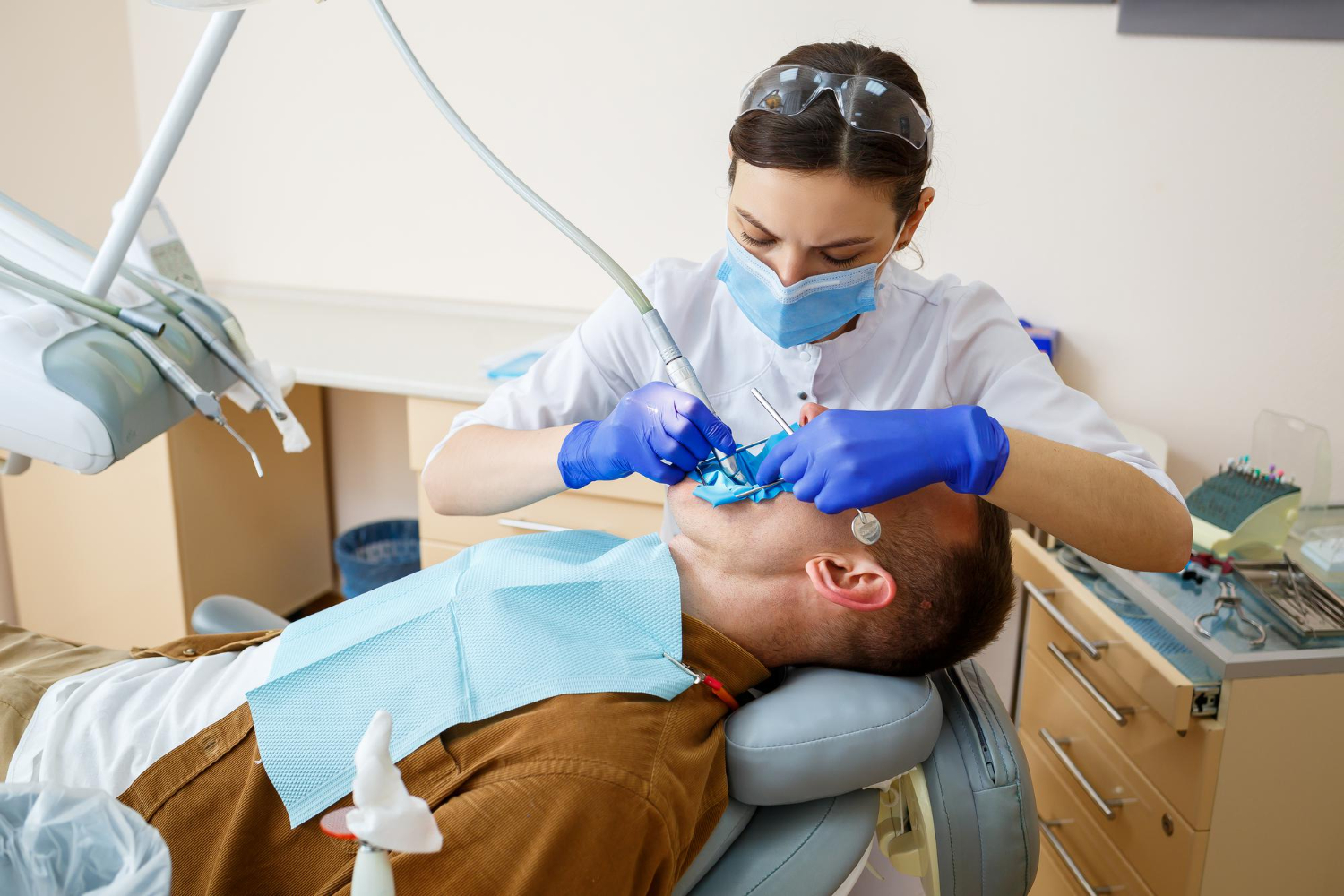
Because it reaches below the gumline, a deep cleaning takes more time than a regular cleaning. A cleaning that addresses gum inflammation removes tartar, plaque, and stain along with the deeper tartar below the gumline, and that added work is why the appointment runs longer.
Patients usually have two questions before a deep cleaning: whether it will hurt during the visit and whether it will hurt afterward. Both are reasonable concerns, and both are worth raising with your provider in advance. A periodontal practice can walk you through comfort options and sedation choices so you know what to expect before the appointment begins rather than during it.
Keeping Your Gums Stable After Treatment
A deep cleaning is a starting point, not a finish line. Once periodontal disease has been treated, the mouth needs ongoing professional maintenance to stay stable. That means returning for regular cleanings on the schedule your provider sets, since those visits continue to prevent new problems from developing.
Patients who understand the difference between the two services tend to follow through more consistently, because the reason for each appointment is clear. Prevention visits keep a healthy mouth healthy. Treatment visits address disease that is already there. Both have a place, just not at the same time for the same person.
Periodontal Care in Brandywine
Vivian A. Sorkin, D.M.D. is a periodontist in Brandywine, MD who provides personalized periodontal care, including gum disease treatment, dental implants, laser therapy, gum grafting, and cosmetic gum recontouring. The practice emphasizes patient comfort, sedation options, and advanced patient safety.
If you have been told you need a deep cleaning, or if it has been a while since your last professional cleaning, an evaluation is the fastest way to find out which service fits your mouth right now. Gum disease is best managed when it is identified early, and the difference between the two types of cleaning is exactly the kind of question a periodontal exam answers.
Frequently Asked Questions
Is a deep cleaning better than a regular cleaning?
Neither is better in a general sense. A regular cleaning maintains a healthy mouth, while a deep cleaning treats active gum disease before it causes permanent damage. They serve different purposes. The right choice depends on what your gums are doing, which is why a clinical evaluation, not personal preference, decides between them.
Can I have a regular cleaning instead of a deep cleaning?
You can discuss the recommendation and ask questions, but a regular cleaning cannot treat periodontal disease. If disease is present below the gumline, a preventive cleaning leaves that buildup in place and the condition can continue to progress. Ask your provider to explain the findings behind the recommendation.
Does a deep cleaning hurt?
Pain during and after the appointment is the most common concern patients raise, and it is a fair question. Because a deep cleaning reaches below the gumline and takes more time than a regular cleaning, comfort matters. Ask about comfort measures and sedation options before the visit so you know what to expect.
How does a deep cleaning differ from a regular cleaning in depth?
A regular cleaning works at and just around the gumline, removing tartar, plaque, and stain from the teeth. A deep cleaning reaches below the gumline and removes hardened plaque attached along the tooth root. That depth is what allows it to treat gum disease rather than simply maintain a healthy mouth.
Do I still need regular cleanings after a deep cleaning?
Yes. Regular cleanings maintain oral health and prevent new problems, so they remain part of the plan after periodontal treatment. Once disease has been addressed, ongoing professional maintenance is what keeps the gums stable. Your provider will set the schedule that fits your condition.
Choose the Right Cleaning for Your Gum Health
Regular and deep cleanings serve different purposes, and the right choice depends on your gum health. If you have been told you need a deep cleaning or have noticed bleeding, swelling, or gum recession, do not ignore these signs. Schedule a periodontal evaluation with Vivian A. Sorkin, D.M.D. in Brandywine, MD. A thorough examination can identify gum disease and help determine the appropriate treatment to protect your gums, teeth, and supporting bone.