Oral Cancer Screening: Why Early Detection Saves Lives
Oral cancer is easy to miss because early changes are often painless. Each year, close to 60,000 people in the United States are diagnosed with cancer of the mouth or oropharynx, according to American Cancer Society estimates. The encouraging part is that cancers found while still small and localized are far more treatable. This guide explains who should be screened, what happens during an exam at our Brandywine, MD office, the warning signs to watch for between visits, and what happens if something looks unusual.
Dr. Vivian Sorkin has more than 20 years of experience as a periodontist in Southern Maryland. She examines the gums and soft tissues of the mouth closely as part of periodontal care, so an oral cancer screening fits naturally into your visit.
Key Takeaways
- Oral cancer affects over 54,000 Americans each year, but early detection through regular screenings can significantly improve outcomes, with survival rates of 80-90% for early-stage cancers.
- Everyone over 18 should receive oral cancer screenings as part of routine dental checkups, regardless of risk factors like smoking or drinking, as the disease can affect anyone.
- During a screening, the dentist visually inspects the mouth and feels for unusual lumps or bumps, which is quick and painless; early signs to watch for include persistent sores, unexplained bleeding, hoarseness, difficulty swallowing, and rough spots in the mouth or throat.
- Quitting tobacco, limiting alcohol, maintaining good oral hygiene, eating a healthy diet, and getting vaccinated against HPV can help lower the risk of developing oral cancer.
- Regular screenings offer peace of mind, early detection, less invasive treatments, and better outcomes; scheduling an oral cancer screening today could make a life-saving difference.
The Importance of Early Detection in Oral Cancer Screening

Building upon the introduction to oral cancer screening, let’s explore why early detection is so crucial. Oral cancer often develops silently, with subtle changes that can easily go unnoticed.
That’s where regular screenings come in – they allow us to identify abnormalities before the cancer progresses. In the United States alone, over 54,000 new cases of oral or oropharyngeal cancer are estimated to be diagnosed annually.
By catching these cases early, we can prevent the disease from advancing, leading to less invasive treatments and significantly improved outcomes. Survival rates for early-detected oral cancers soar to an impressive 80-90%.
During your routine dental checkups, we meticulously examine your mouth for any signs of concern, such as persistent sores, white or red patches, or unusual lumps. These screenings are quick, painless, and can make all the difference in your oral health journey.
Remember, early detection is your greatest ally in the fight against oral cancer. So, don’t hesitate to prioritize these life-saving screenings as part of your comprehensive dental care plan with us at Vivian A Sorkin Periodontics & Implant Dentistry.
Who Should Consider Oral Cancer Screening?
Who should get an oral cancer screening? In short, every adult, whatever their risk factors.
We believe every adult should have an oral cancer screening as part of routine dental checkups, not only people who smoke or drink heavily. The American Cancer Society includes an oral cavity exam in the cancer-related checkup it recommends for adults, and oral cancer can develop in people with no obvious risk factors.
While it’s true that certain factors like tobacco use, excessive alcohol consumption, and HPV infection can increase your risk of developing oral cancer, the disease can strike anyone at any time.
That’s why we urge all of our patients to prioritize these potentially life-saving screenings. By catching oral cancer early through a simple visual exam and palpation during your dental visits, we can dramatically improve outcomes and give you peace of mind.
So don’t wait – talk to us about scheduling your next oral cancer screening today.
What to Expect During an Oral Cancer Screening
A Quick and Painless Exam for Peace of Mind
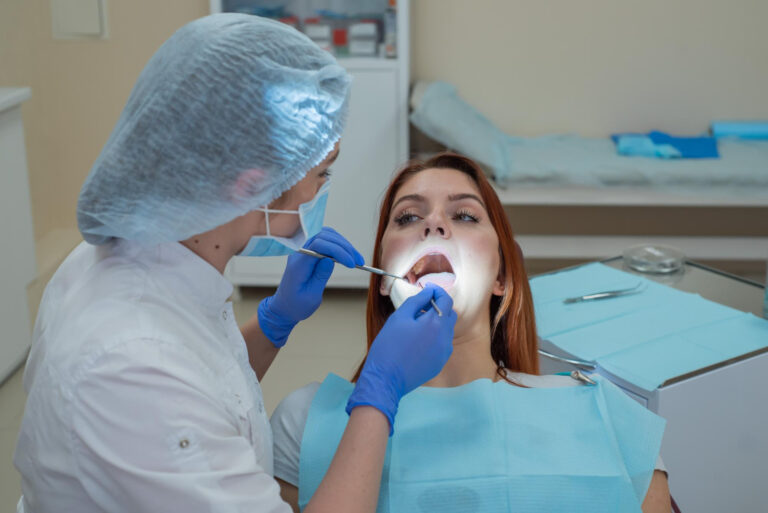
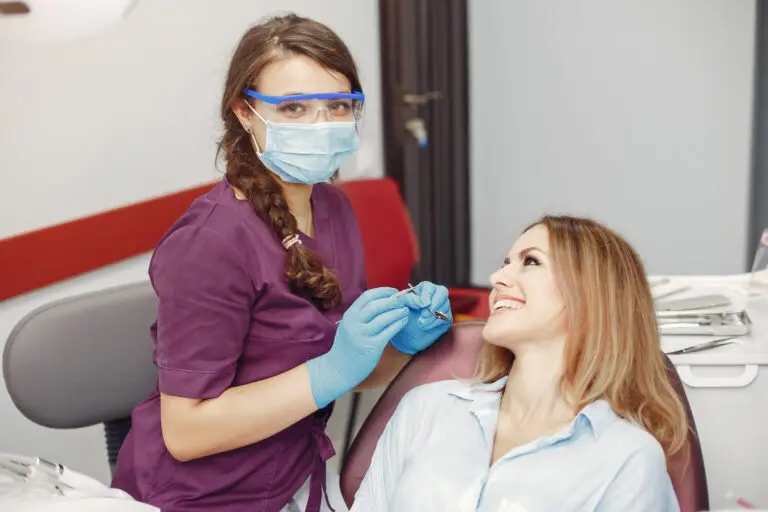
At our practice, we make oral cancer screenings a breeze. During your regular dental checkup, we’ll take a few extra minutes to visually inspect your lips, gums, tongue, and the inside of your cheeks.
We might also gently feel around for any unusual lumps or bumps. If we spot something that looks a bit off, we may use a special light or dye to get a better look. Don’t worry, it’s all completely painless and over before you know it.
We’ll also chat with you about any risk factors you might have, like smoking or a family history of cancer. It’s like catching up with an old friend, except we’re looking out for your health too! The whole process is quick, and easy, and could potentially save your life.
So, next time you’re in our chair, rest assured that we’ve got your back when it comes to oral cancer prevention.
Recognizing Early Signs and Symptoms of Oral Cancer
After learning what to expect during an oral cancer screening, let’s discuss how to recognize the early signs and symptoms of oral cancer. We want you to be proactive in monitoring your oral health between dental visits.
Pay attention to any persistent mouth sores that last longer than two weeks. If you notice unexplained bleeding in your mouth, such as from your gums or in your saliva, it’s time to schedule an appointment with us.
Hoarseness or changes in your voice that persist for an extended period are also potential red flags. If you experience difficulty swallowing or chewing (known as dysphagia), or a sore throat that doesn’t improve with treatment, these could be early indicators of oral cancer.
Lumps, thickening, or rough spots in your mouth or throat are also cause for concern. By familiarizing yourself with these warning signs, you can play a vital role in the early detection and successful treatment of oral cancer.
How to Lower Your Risk of Oral Cancer
Here are some proactive steps we can take to reduce our risk of oral cancer:
Quitting tobacco use, including cigarettes, cigars, pipes, and smokeless tobacco like chewing tobacco and snuff, is one of the most impactful ways to lower oral cancer risk. If you need help quitting, talk to us about cessation resources and support.
Limiting alcohol consumption, especially in combination with tobacco use, can also significantly reduce risk.
Maintaining good oral hygiene habits, like brushing twice daily, flossing regularly, and scheduling routine dental checkups and cleanings, helps keep the mouth healthy. A nutritious diet rich in fruits and vegetables may also be protective.
Additionally, getting vaccinated against human papillomavirus (HPV), a common sexually transmitted infection linked to oral and throat cancers, is recommended for eligible individuals.
By making these lifestyle changes and prioritizing oral health, we can take important steps towards preventing oral cancer.
Next, let’s explore the benefits of regular oral cancer screenings.
Benefits of Regular Oral Cancer Screenings
Lowering our risk of oral cancer is crucial, and regular screenings provide a host of benefits that can make a real difference in our oral health journey. By catching any abnormalities early on, we give ourselves the best chance at successful treatment and a speedy recovery.
Plus, screenings offer invaluable peace of mind, especially for those of us with higher risk factors like tobacco use or a family history of oral cancer.
But the perks don’t stop there! When we commit to routine oral cancer checks, we’re empowering ourselves with knowledge about our health. We can nip potential issues in the bud before they spiral into more serious problems down the line.
And if treatment does become necessary, catching things early often means less invasive procedures and better outcomes overall. So while it might feel like just another item on our dental to-do list, prioritizing these screenings is a small step that can have a big impact on our well-being.
Conclusion and Call to Action: Schedule Your Oral Cancer Screening Today
Oral cancer screening is a simple yet powerful tool in the fight against this potentially deadly disease. We at Vivian A Sorkin Periodontics & Implant Dentistry are committed to providing this life-saving service to our patients.
Don’t wait until it’s too late – schedule your oral cancer screening with us today. A few minutes of your time could mean the difference between catching oral cancer early and facing a more difficult battle down the road.
Let us help you take control of your oral health and give you the peace of mind you deserve.
Protect Your Health: Schedule an Oral Cancer Screening
1. What is oral cancer screening and why is it important?
Oral cancer screening is a medical examination performed by dentists to look for signs of cancer or precancerous conditions in your mouth. It’s crucial because early detection of mouth cancers can dramatically increase the chance of successful treatment and survival.
2. How is an oral cancer screening test performed?
During screening, your dental hygiene professional will carefully examine your lips, tongue, gums, and the lining of your oral cavity and throat for any abnormalities like sores, white or red patches, lumps, or other suspicious changes. If anything unusual is found, they may recommend a biopsy for further testing.
3. Who is at risk for developing oral cavity cancer?
Several factors can increase your risk, including tobacco use (smoking or chewing), excessive alcohol consumption, prolonged sun exposure to your lips, a diet low in fruits and vegetables, and infection with certain strains of human papillomavirus (HPV). It’s important to discuss your risk factors with your healthcare provider.
4. Can oral cancer screening help prevent mouth cancers?
Regular screenings are a form of secondary prevention, aimed at catching cancers early when they’re most treatable. However, primary prevention – making healthier lifestyle choices like quitting smoking and limiting alcohol – is also key in reducing your risk. Your dentist can provide guidance and resources to help you make positive changes.
5. How often should I get screened for oral cancer?
The frequency of screenings may vary depending on your risk factors, but most dental professionals recommend getting checked at least once a year during your regular dental checkup. If you notice any persistent changes or symptoms in between visits, don’t hesitate to schedule an appointment right away.
6. Are there any risks or downsides to getting screened?
Oral cancer screenings are generally quick, painless, and non-invasive. While there is a slight chance of overdiagnosis or false positives leading to unnecessary anxiety or additional testing, the benefits of early detection far outweigh these potential risks. If caught early, many oral cancers can be treated successfully with less extensive surgery or therapy.
A Simple Monthly Self-Check at Home
A professional exam is the most reliable way to catch changes early, but a quick look at home once a month helps you notice what is new for you. Use a bright light and a mirror, and wash your hands first.
- Check the inside of your lips and cheeks, pulling them gently away from the gums.
- Look at the top, sides and underside of your tongue.
- Check the floor and roof of your mouth.
- Feel along both sides of your neck and under the jaw for lumps that are firm or only on one side.
Tell us about anything that does not look right to you, even if it does not hurt.
What Happens If Something Looks Unusual
Finding a spot, patch or lump during a screening does not mean you have cancer. Many mouth sores are caused by irritation, infection or a rough tooth edge, and they heal on their own.
If an area looks suspicious or has not healed after about two weeks, we will explain the next step in plain language. That may be a short recheck to see whether it changes. It may also be a biopsy, where a small tissue sample is sent to a laboratory, because a biopsy is the only way to confirm a diagnosis. If specialist treatment is needed, we will coordinate your referral and keep you informed throughout.
Screening Alongside Gum and Implant Care
Patients who come to a periodontist for gum disease, implants or maintenance visits are already being seen regularly. That makes it easier to notice small changes over time.
- We compare what we see from visit to visit, so a new or changing area stands out.
- Gum inflammation, loose teeth or sore spots near an implant are checked to confirm the cause.
- You can ask us to look at any area that worries you at any appointment, not only at a yearly exam.
Book an Oral Cancer Screening in Brandywine, MD
To schedule a screening, call (301) 643-2020 or request a time through our online booking page. We are open Monday, Tuesday, Thursday and Friday from 7:00am to 3:30pm, and Wednesdays by appointment only.
If dental visits make you anxious, ask us about oral sedation. Many patients find that a short screening visit is quick and comfortable, and it only takes a few minutes.