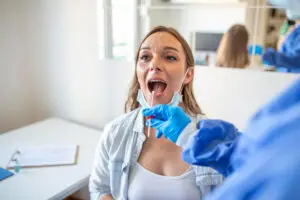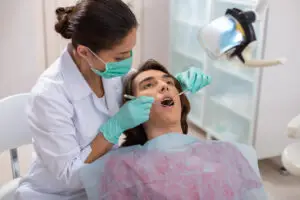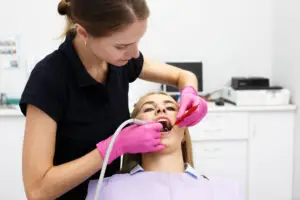
Finding a sore, lump, or patch in your mouth that will not go away raises an obvious question, and the answer usually starts with a biopsy. If you are scheduled for an oral biopsy in Brandywine, MD, the recovery side of the appointment is often what people want to understand before they sit in the chair. The short version: most patients recover in a few days to a week, and most return to normal eating and speaking within a few days. Results generally take one to two weeks. What happens in between depends heavily on how carefully you follow your clinician’s instructions.
Why an Oral Biopsy Is Recommended
An unexplained sore, lump, or patch inside the mouth is easy to postpone. It may not hurt, it may fade and return, and it is difficult to inspect without a mirror and good lighting. The trouble is that the surface of a lesion tells you very little about the tissue underneath. A biopsy removes a small sample of that tissue so a pathologist can examine it under a microscope.
The rule clinicians use is straightforward. If a sore, lump, or patch has been present for more than two weeks, the next step is not to keep watching it. That timeframe is the point at which evaluation replaces waiting. In Brandywine, a periodontist or oral surgeon can examine the area, decide whether a sample is needed, and explain what recovery will involve.
What the Procedure Involves and How It Affects Recovery
An oral biopsy is a short procedure in which a small piece of tissue is removed from the surface of the mouth or just beneath it. Because the sample is small, the wound left behind is small too, which is why healing is usually measured in days rather than weeks. Your clinician will explain where the sample is being taken from, since a biopsy on the tongue, cheek, gum, or palate can feel different afterward. If dental appointments make you anxious, ask about sedation options before the day of the procedure rather than on the way into the room.
What Recovery Usually Looks Like
Most people are surprised by how ordinary the first week feels. The timeline below reflects what patients generally experience, though your own recovery depends on where the sample was taken and how much tissue was removed.
| What to expect | Typical timeframe |
|---|---|
| Return to normal eating and speaking | A few days |
| Overall recovery | A few days to a week |
| Pathology results | One to two weeks |
If your experience runs longer than these windows, that alone is not a reason to panic, but it is a reason to call and ask. Your clinician would rather answer a question than have you sit at home wondering.

Aftercare Basics That Make the Biggest Difference
Three habits do most of the work during the first week: soft foods, avoiding irritants, and following the specific instructions you were given. Everything else is secondary.
Eat Soft Foods While the Site Heals
Soft foods are the most consistent piece of advice after an oral biopsy. The goal is to avoid chewing directly on the healing site and to keep rough textures away from it. Choose foods that need little or no chewing, keep them at a comfortable temperature, and take smaller bites than usual. Most patients are back to normal eating within a few days, but you can stay with softer options as long as it keeps you comfortable.
Avoid Irritants While the Tissue Closes
Irritants slow healing and make a tender site feel worse. Spicy, salty, or highly acidic foods and drinks, sharp-textured items like chips or crusty bread, and tobacco products all fall into that category, and your clinician may ask you to skip alcohol for a period as well. Ask which specific items to avoid in your case, because the list depends on where the sample came from. If a food stings when it touches the site, set it aside for a few more days.
Follow Your Discharge Instructions Exactly
Every biopsy is a little different, and the instructions you leave with are written for yours. They cover how to keep the area clean, whether to rinse and with what, how to manage discomfort, and when to call. Rather than improvising with mouthwash, salt water, or home remedies, stick with what you were told. If an instruction is unclear, call the office and ask.
Keeping the Area Clean Without Disturbing It
Good hygiene still matters while the biopsy site heals, but gentle technique matters more than usual. Brush the rest of your teeth as you normally would, and follow the specific guidance you were given about brushing near the treated area. If you were told to rinse, do it gently rather than vigorously, since forceful rinsing can disturb tissue that is trying to close. Keep your follow-up appointment, because a quick visual check is the simplest way to confirm that healing is on track.
Managing Discomfort During the First Few Days
Soreness is expected and generally eases as the tissue heals. Ask your clinician what to use for discomfort and how often to use it rather than assuming a product you have at home is appropriate. Rest helps. Strenuous activity, very hot drinks, and long stretches of talking can all make a fresh site feel more tender, so plan a lighter schedule for the first day or two if you can. Keep the office number handy so you can ask questions without waiting for your next appointment.
Getting Your Pathology Results
Results generally take one to two weeks. That waiting period is often harder than the procedure itself. During it, the tissue sample is prepared, examined, and reported back to the clinician who took it, who then explains what the findings mean and what comes next. If you have not heard anything by the end of the second week, call rather than waiting quietly. Ask when to expect a call and who will deliver the news, so you are not left checking your phone.
If the Sore Was Present for More Than Two Weeks
Time is the most useful signal available when a lesion lingers. A sore, lump, or patch that has been present for more than two weeks is the point at which watching and waiting stops being the right approach and evaluation begins. That does not mean the news will be serious. Many biopsies come back with benign findings. It means the question is worth answering with tissue rather than with an educated guess.
Why Follow-Up Care in Brandywine Matters
Recovery after an oral biopsy is mostly about small decisions: what you eat, what you avoid, and whether you pick up the phone when something seems off. A practice that handles these procedures regularly can guide those decisions and adjust them to your situation. Vivian A. Sorkin, D.M.D., a periodontist in Brandywine, MD, provides periodontal care that includes evaluation of mouth lesions, with attention to comfort and sedation options for patients who find dental visits stressful. The practice also notes advanced patient safety measures, including ACLS certification. When a sore has overstayed its welcome, an exam is a low-stress way to find out what is going on.
Frequently Asked Questions
How long does oral biopsy recovery take?
Most patients recover from an oral biopsy in a few days to a week, and most return to normal eating and speaking within a few days. Soreness eases gradually during that window. Where the sample was taken and how much tissue was removed both affect the timeline, so follow the instructions you were given and call your clinician if healing seems slower than expected.
How long do biopsy results take?
Results generally take one to two weeks. The sample has to be prepared and examined before a report reaches the clinician who took it, and then that clinician explains the findings to you. If you have not heard anything by the end of the second week, call the office. Ask in advance who will contact you and when.
What can I eat while the site heals?
Soft foods are the safest choice. Pick items that need little chewing, keep them at a comfortable temperature, and avoid spicy, salty, acidic, or sharp-textured foods that irritate the site. Most people return to normal eating within a few days. Your clinician’s instructions take priority over any general advice, since they know exactly where your sample was taken.
Is a lesion that lasts more than two weeks a reason for a biopsy?
Yes, that timeframe is the standard trigger for evaluation. A sore, lump, or patch that has been present for more than two weeks should be examined rather than watched. Many such lesions turn out to be benign, but the surface appearance alone cannot answer the question. Only a tissue sample can provide that information.
Should I call the office if something feels wrong during recovery?
Yes. Call if anything seems unusual or worse than you expected instead of waiting for your next appointment. Your clinician can tell you whether what you are feeling is part of normal healing or something that should be looked at sooner. Keep the office number accessible during the first week.