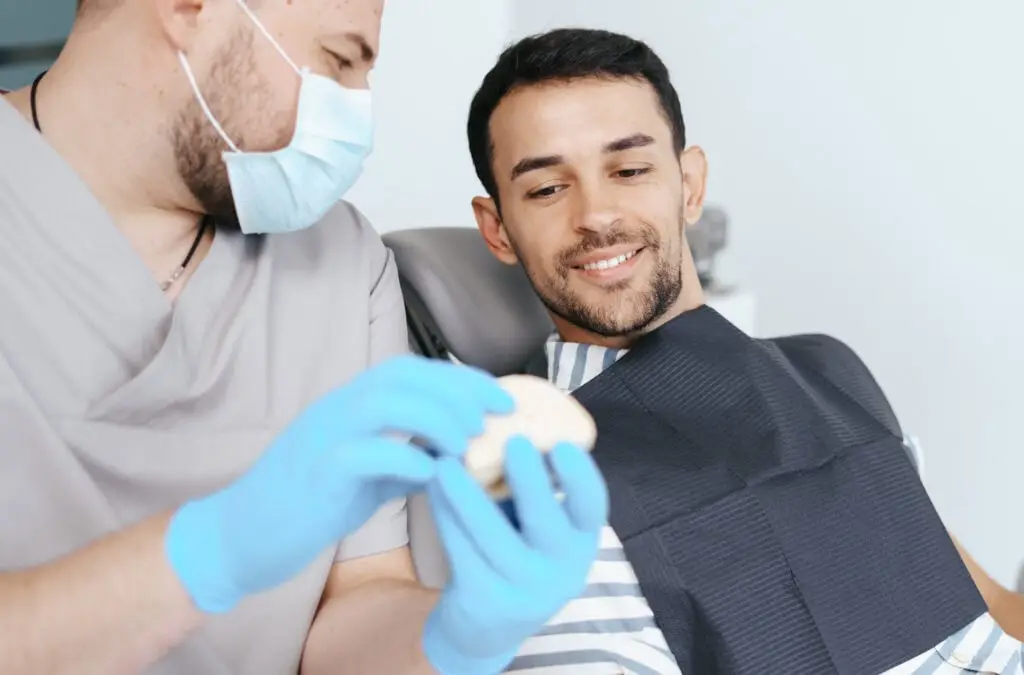
Dental implants are among the most advanced and reliable solutions for replacing missing teeth. With proper care, they can last decades, offering not only improved function and aesthetics but also a better quality of life. However, long-term success isn’t guaranteed by placement alone. Maintenance plays a critical role in the health and longevity of dental implants, and annual implant maintenance has emerged as a cornerstone of supportive care.
Just like natural teeth, dental implants require consistent attention to avoid complications. Conditions such as peri-implant mucositis and peri-implantitis, both inflammatory responses affecting the surrounding tissues, can lead to bone loss and eventual implant failure if not addressed. Therefore, annual professional maintenance isn’t optional; it’s an essential part of preserving your investment and your oral health.
Key Takeaways:
- Annual implant maintenance helps detect early signs of complications like inflammation or infection.
- Professional cleanings remove plaque and calculus that home care may miss.
- Advanced tools and techniques, including ultrasonic scalers and air polishing, help preserve implant surfaces.
- Innovations like 3D imaging and smart implants improve diagnostic accuracy and outcomes.
- Ongoing maintenance contributes significantly to implant longevity and overall oral health.
Understanding the Role of Annual Maintenance in Implant Success
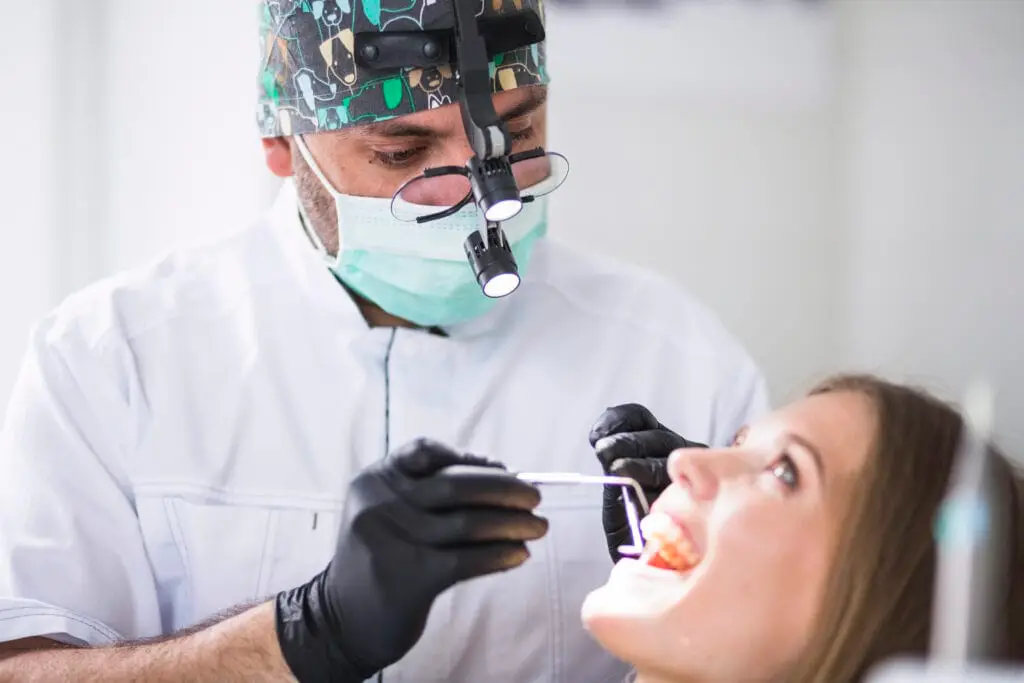
Implants are more than a cosmetic solution. They act as artificial tooth roots, integrating with the jawbone to provide a stable foundation for crowns, bridges, or dentures. This osseointegration process is delicate, and any inflammation or infection around the implant can jeopardize its stability.
Annual maintenance visits are critical in maintaining this integration. During these appointments, dental professionals assess both the hard and soft tissues around the implant, identifying any early signs of bone loss, tissue inflammation, or mobility. Early intervention can mean the difference between simple management and complex, costly revision procedures.
Professional maintenance also includes thorough cleanings to eliminate bacterial plaque and calculus. These deposits, if left untreated, can lead to peri-implant diseases, conditions similar to gum disease around natural teeth. Unfortunately, many patients assume that implants are immune to such issues. This misconception often results in neglect, which can accelerate complications.
Components of a Typical Implant Maintenance Visit
A comprehensive implant maintenance appointment typically involves the following:
- Clinical Examination: The soft tissue surrounding the implant is checked for signs of redness, bleeding, swelling, or discomfort.
- Radiographic Assessment: Imaging is often used to evaluate bone levels and the structural integrity of the implant and surrounding bone.
- Peri-implant Probing: Gentle probing assesses the health of the soft tissues and helps identify pockets that may harbor bacteria.
- Professional Cleaning: Specialized instruments, often non-metallic, are used to clean implant surfaces without damaging the titanium.
- Occlusal Evaluation: Biting forces are checked to ensure they’re evenly distributed, reducing the risk of overloading the implant.
These assessments and procedures ensure a thorough evaluation of both the functional and biological aspects of the implant, offering a well-rounded approach to maintenance.
“At Sorkin Periodontics & Dental Implants, we approach every implant check-up with this dual focus, preserving structure while promoting long-term health.” – Dr. Vivian A. Sorkin, DMD
The Danger of Peri-Implant Diseases
Two major complications that highlight the need for maintenance are peri-implant mucositis and peri-implantitis.
- Peri-implant mucositis is a reversible inflammatory reaction in the soft tissues surrounding the implant, similar to gingivitis. It’s usually marked by bleeding on probing and slight discomfort.
- Peri-implantitis is more severe and involves progressive bone loss. It can eventually lead to implant mobility and failure. Unlike mucositis, peri-implantitis is not fully reversible and often requires surgical intervention.
Regular maintenance appointments are the best line of defense against these issues. The earlier they’re identified, the more conservative and effective the treatment options.
How Professional Cleanings Support Implant Health
Daily oral hygiene is crucial, but even the best home routines can leave behind plaque in hard-to-reach areas. This is especially true around implants, where the contours can make cleaning challenging.
During a maintenance visit, professionals use tools specifically designed for implants. These may include:
- Ultrasonic scalers with plastic or carbon tips that clean without scratching the implant surface.
- Air polishing with glycine or erythritol powders to gently yet effectively clean around the implant and under the prosthetic components.
These methods ensure a thorough debridement of biofilm and calculus while preserving the integrity of both the implant and surrounding tissues. Clean implant surfaces reduce the bacterial load and improve soft tissue health.
Advanced Technology in Maintenance Protocols
With the integration of cutting-edge technology, implant maintenance has become more precise and patient-friendly. Techniques such as 3D cone-beam computed tomography (CBCT) allow for detailed views of bone levels, implant positioning, and potential pathology.
Additionally, emerging innovations like smart dental implants are redefining post-surgical care. These implants are equipped with sensors that monitor parameters like bite force, temperature, and inflammation markers, alerting patients and dentists to early signs of trouble. While not yet mainstream, these technologies represent the future of preventative implant care.
Digital planning and monitoring not only improve accuracy but also enable more personalized care strategies. By tailoring maintenance schedules and treatments to each patient’s unique anatomy and risk factors, clinicians can improve outcomes and reduce long-term costs.
“By aligning maintenance protocols with each patient’s unique anatomy and risk profile, we can prevent complications before they arise and ensure the longevity of their implant investment.” – Dr. Vivian A. Sorkin’s team
Identifying and Addressing Early Warning Signs
Implant complications often start subtly. Minor discomfort, slight bleeding, or swelling may not seem significant to the patient, but to a trained eye, these could be early indicators of more serious conditions.
Annual visits provide a structured opportunity to evaluate these signs. Patients are also encouraged to discuss any changes they’ve noticed, like discomfort while chewing, changes in bite alignment, or signs of recession around the implant.
Timely intervention could involve:
- Adjusting bite forces with minor occlusal modifications
- Improving at-home hygiene strategies
- Localized antimicrobial treatments
- Surgical procedures in more advanced cases
Avoiding these check-ins increases the likelihood that small, manageable issues become larger, more complicated ones.
Why Choose Us at Sorkin Periodontics & Dental Implants
At Sorkin Periodontics & Dental Implants, we pride ourselves on providing meticulous and comprehensive care for all implant patients. Our team is led by highly trained professionals with deep expertise in periodontal and implant care.
We utilize the latest diagnostic tools, including CBCT imaging, to deliver precise assessments and identify concerns before they become problems. Our maintenance protocols are personalized to individual patient needs and supported by the latest evidence-based practices.
We believe that long-term implant success hinges not just on surgical expertise but on ongoing support and education. Our team partners with patients every step of the way, from initial placement to long-term maintenance, offering both clinical excellence and compassionate care. Get in touch today and see how a treatment done with methods and tools can change your dental health.
The Bottom Line
Annual implant maintenance is far more than a routine cleaning. It’s a vital part of supportive care that protects your investment, oral health, and overall well-being. By committing to regular checkups, patients significantly increase the likelihood of long-term implant success and avoid preventable complications.
Neglecting maintenance can lead to irreversible damage, but consistent professional care ensures early detection, effective management, and peace of mind. The longevity of your dental implant doesn’t just depend on how it’s placed but on how it’s cared for in the years that follow.
Frequently Asked Questions (FAQs)
1. What happens during an implant maintenance appointment?
A comprehensive implant maintenance visit includes evaluation of the implant site, soft tissue health, radiographs to check bone levels, and professional cleaning using tools designed for implants.
2. How often should I schedule maintenance visits?
While once a year is typically recommended, patients with higher risk factors, such as a history of gum disease, may benefit from more frequent visits (every 3–6 months).
3. Can I maintain my implants with regular brushing and flossing alone?
Daily home care is essential, but it’s not sufficient on its own. Plaque and calculus can accumulate in areas that are difficult to reach, requiring professional cleaning to avoid complications.
4. What are the signs that my implant may be having problems?
Warning signs include redness, swelling, bleeding when brushing, discomfort while chewing, or a feeling that the implant is loose. If you notice any of these, contact your dentist promptly.
5. Are implant cleanings different from regular dental cleanings?
Yes. Implant maintenance involves specialized instruments and techniques to clean around titanium surfaces without causing damage. It’s a more delicate and targeted process tailored specifically for implants.