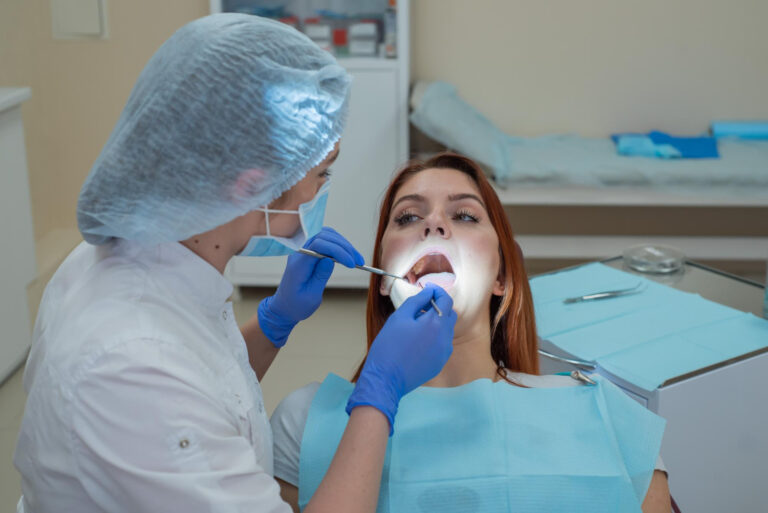
Scaling and root planing, the treatment most people call a deep cleaning, resolves a lot of early and moderate gum disease. Gums tighten up, bleeding stops, and the numbers recorded during periodontal charting improve. Sometimes they do not improve enough. Pockets stay deep, inflammation lingers, and the space between the tooth and the gum keeps collecting bacteria no matter how consistent your home care is. That is the point where pocket reduction surgery in Brandywine, MD becomes a reasonable conversation to have with a periodontist.
What Pocket Reduction Surgery Actually Does
Pocket reduction surgery is also described as pocket depth reduction. The mechanics are straightforward. The gum tissue is folded back so the bacteria and diseased material beneath the gumline can be reached and removed. Once the roots and surrounding tissue are clean, the gum is positioned against the tooth in a way that reduces the depth of the pocket.
Two goals come out of that process. The first is a smaller, shallower pocket that is easier to keep clean with a toothbrush, floss, and other hygiene tools. The second is a reduction in the gum pockets and inflammation itself, which is the underlying problem driving bone loss and tooth mobility in untreated periodontal disease. Procedures in this family also remove and reshape diseased or excess gum tissue when that tissue is part of what is keeping the pocket deep.
Why Deep Cleaning Sometimes Isn’t Enough
A deep cleaning removes plaque and calculus from below the gumline. It is genuinely effective for many patients, and it is almost always the first step before anyone considers surgery. The catch is that its reach depends on how deep the pocket is, how much inflammation is present, and whether the tissue around the tooth can heal tight against the root surface.
What periodontal charting reveals
Periodontal charting measures the pockets between your teeth and gums. During charting, the clinician looks for bleeding, inflammation, pocket depth, and gum recession. Those measurements turn a vague sense that something is wrong into a set of numbers that can be tracked over time.
Charting matters because it shows whether treatment is working. If measurements taken after a deep cleaning are essentially the same as the ones taken before it, the pocket did not respond the way everyone hoped. Persisting bleeding on probing is another signal. Deep measurements plus continued inflammation are the two findings that most often lead to a surgical recommendation.
Where non-surgical care reaches its limit
Root surfaces can be curved, furcated, or crowded by neighboring teeth. Deposits can sit in areas that instruments cannot fully reach even with excellent technique. If the pocket wall itself is thick and inflamed, it may not shrink down against the tooth no matter how clean the root surface becomes.
Laser therapy is one of the tools used in non-surgical periodontal care, and practices may combine it with scaling and root planing to address bacteria in and around the pocket. Laser treatment does not replace the need for access when a pocket is genuinely deep. It is one part of a treatment plan, not a guarantee that surgery will never be needed.
Pocket Reduction Surgery Compared With Other Approaches
Periodontal treatment is not one single procedure applied to every mouth. Different approaches address different problems, and a treatment plan often combines more than one of them.
| Approach | What it involves | What it addresses |
|---|---|---|
| Pocket reduction (flap) surgery | Gum tissue is folded back, bacteria and diseased tissue are removed, and the tissue is repositioned | Deep pockets that remain after non-surgical treatment |
| Laser-assisted periodontal therapy | Light energy is used as part of periodontal treatment, often alongside scaling and root planing | Bacteria and inflamed tissue around the pocket |
| Minimally invasive recession treatment | The Pinhole Surgical Technique is a minimally invasive procedure for treating gum recession | Receded gum tissue and exposed root surfaces |
Which of these fits your situation depends on where the problem actually sits. Recession and deep pocketing can appear in the same mouth, but they are not the same diagnosis, and they are not treated the same way.
Gum Recession and Deep Pockets Are Different Problems
When gums recede, they can expose sensitive areas of the tooth root. That is a coverage problem. Minimally invasive options such as the Pinhole Surgical Technique were developed specifically for treating gum recession, and gum grafting is another approach used to address lost tissue.
Deep pockets are a different issue. They describe the space between the gum and the tooth, measured during charting. A deep pocket can exist under gum tissue that has not receded at all. Recession can also develop on a tooth with shallow pockets. Because the two problems look different on an exam and respond to different treatments, the first useful question at a consultation is which one is being addressed and why.
Why Patients in Brandywine, MD Seek This Care
Brandywine, Maryland sits in a part of the region where patients often travel a short distance for specialty care. That makes the choice of periodontist a practical one, since periodontal surgery and the maintenance visits that follow it involve repeat appointments rather than a single visit.
Vivian A. Sorkin, D.M.D. is a female periodontist in Brandywine, MD who provides personalized periodontal care that includes gum disease treatment, dental implants, laser therapy, gum grafting, and cosmetic gum recontouring. The practice emphasizes patient comfort and offers sedation options, along with advanced patient safety protocols that include ACLS certification. For patients who feel anxious about periodontal treatment, the availability of sedation and a comfort-focused approach can matter as much as the clinical technique.
What Happens at a Periodontal Evaluation
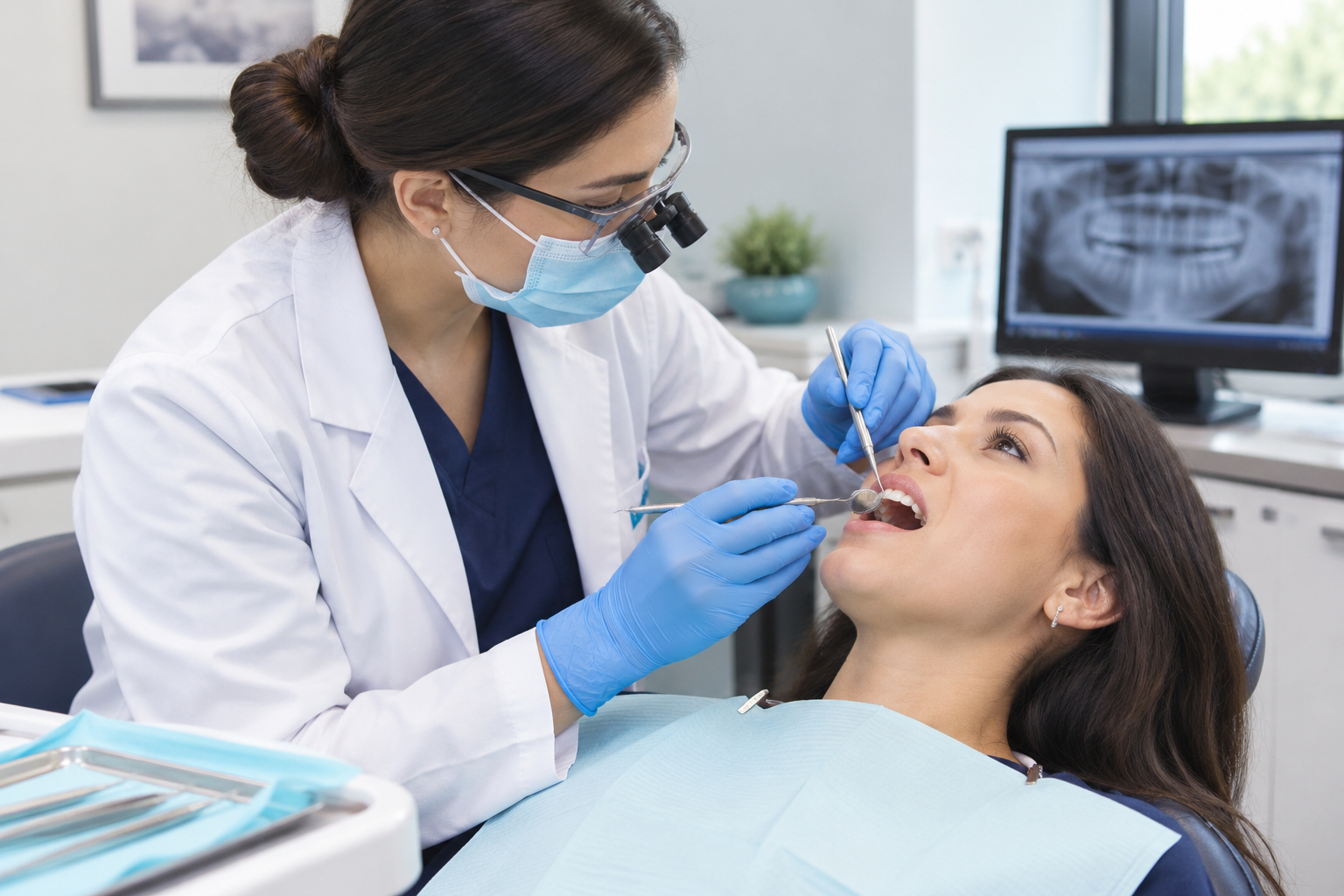
An evaluation before any surgical recommendation should be thorough enough to justify the plan. The core of it is measurement and observation rather than guesswork.
- Periodontal charting, which measures the pockets between your teeth and gums
- A check for bleeding and inflammation around the gum tissue
- Recording of pocket depth at each site, since a single deep area is treated differently than generalized disease
- Assessment of gum recession and any exposed root surfaces
- Review of your medical history and any medications that affect healing or inflammation
- A conversation about comfort and sedation options if treatment is recommended
Ask to see your numbers. Pocket depths, bleeding points, and recession measurements are not abstract. Knowing which teeth are deepest and whether those sites changed after a deep cleaning tells you whether surgery is being recommended for a reason you can see on the chart.
Questions Worth Asking Before You Schedule
A few direct questions tend to produce the most useful answers at a consultation. Write them down beforehand so nothing gets forgotten in the room.
- Which specific sites are still too deep, and how deep are they?
- Did these measurements change after my deep cleaning, and by how much?
- Is there still a non-surgical option worth trying first?
- Would laser therapy play a role in my treatment, alone or alongside another procedure?
- Is the problem pocket depth, gum recession, or both?
- What does maintenance look like afterward, and how often will I be seen?
Aftercare and Long-Term Maintenance
Pocket reduction surgery changes the shape of the space around the tooth. It does not remove the need for ongoing care. Periodontal disease is managed rather than cured, and the maintenance interval after treatment is usually set based on charting findings rather than a fixed schedule that applies to everyone.
Home hygiene matters as much as professional visits. The point of reducing a pocket is to create a space shallow enough that your brush, floss, and interdental tools can actually reach the base of it. If you have recession as well as pocketing, your periodontist can show you which techniques protect exposed root surfaces while still cleaning effectively.
Frequently Asked Questions
Can deep gum pockets be reversed?
Some pockets do shrink after scaling and root planing, and some do not. Whether a specific pocket can be reduced depends on its starting depth, the shape of the root, and how your tissue responds to treatment. The honest answer is that only charting before and after treatment shows what happened in your mouth. Ask your periodontist to compare those measurements.
Does dental insurance pay for pocket reduction surgery?
Coverage varies by plan, and periodontal surgery is often handled differently from routine cleanings. Many plans require documentation such as charting and radiographs before approving treatment. The most reliable path is to contact your insurer directly and ask the periodontal office to submit a pre-treatment estimate so you know your expected responsibility before scheduling.
How long does recovery take after pocket reduction surgery?
Recovery timelines depend on how many areas are treated, whether grafting was involved, and how your body heals. Rather than relying on general figures from the internet, ask your periodontist what to expect for your specific plan, including what you can eat, how to clean the area, and when you can return to normal activity.
How do I know if I need surgery instead of another deep cleaning?
The clearest indicator is charting that does not improve after non-surgical treatment, especially when bleeding and inflammation persist at the same sites. A single repeat deep cleaning may still be reasonable in some cases. If depths remain unchanged across multiple visits despite good home care, a periodontist will typically discuss surgical access as the next option.
If your gums bleed when you brush, if your teeth look longer than they used to, or if you have been told your pockets are deep, the next step is a periodontal evaluation with current charting. Ask what your measurements are, ask what changed after any deep cleaning you have already had, and ask which treatment options remain. A periodontist in Brandywine, MD can walk through those numbers with you and explain whether pocket reduction surgery is genuinely necessary or whether another approach still has room to work.