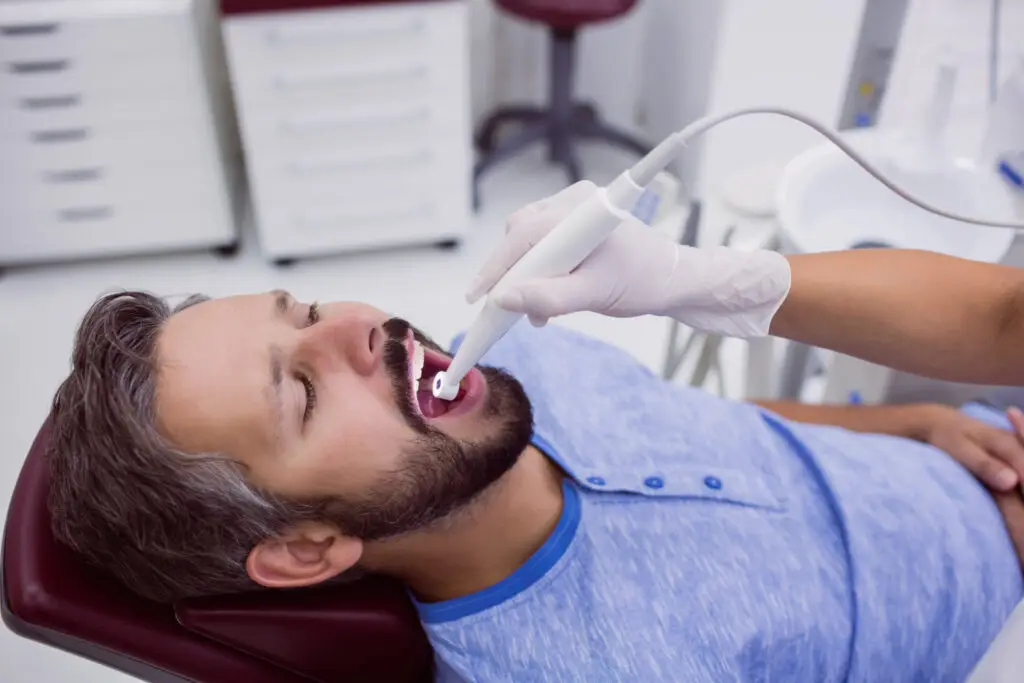
A deep cleaning is one of the most common recommendations a patient can hear during a dental visit, and the first question is almost always about pain. Will it hurt during the appointment? Will it hurt for days afterward? Those two worries keep more people out of the periodontal chair than almost anything else.
The honest answer is that a deep cleaning is a real treatment with a real recovery window, but it is not the drawn out ordeal many people imagine. Tenderness and sensitivity in the days after treatment are a normal part of gum tissue responding to care, and the soreness that does show up typically subsides within a few days. This article walks through what happens during the procedure, what the days after feel like, and what to ask your periodontist before you sit down.
What a Deep Cleaning Actually Is
Deep cleaning is the everyday name for scaling and root planing. It is often called deep cleaning of the teeth, and it is the foundation of non-surgical gum disease care. The process removes hardened plaque and tartar from below the gumline, where a toothbrush and floss cannot reach.
In dentistry, deep cleaning means something different than it does for a house. There is no scrubbing of surfaces above the gum. The work happens at and under the gumline, in pockets where bacteria and hardened deposits collect. Because the tissue there is already irritated by gum disease, it reacts to treatment more than healthy gums do. That reaction is what patients feel in the days that follow.
Why It Feels Different From a Routine Cleaning
A routine cleaning, sometimes called a prophylaxis, focuses on removing plaque and tartar buildup from visible tooth surfaces and around the gumline. Since brushing cannot remove hardened tartar, regular professional cleanings help maintain healthy teeth and gums.
A deep cleaning goes further by reaching below the gumline and removing hardened plaque and tartar from periodontal pockets and root surfaces. Because this treatment addresses areas affected by gum disease, it may take longer than a routine cleaning and can leave the gums feeling tender afterward. It is generally recommended when signs of gum disease are present rather than as a standard preventive cleaning.
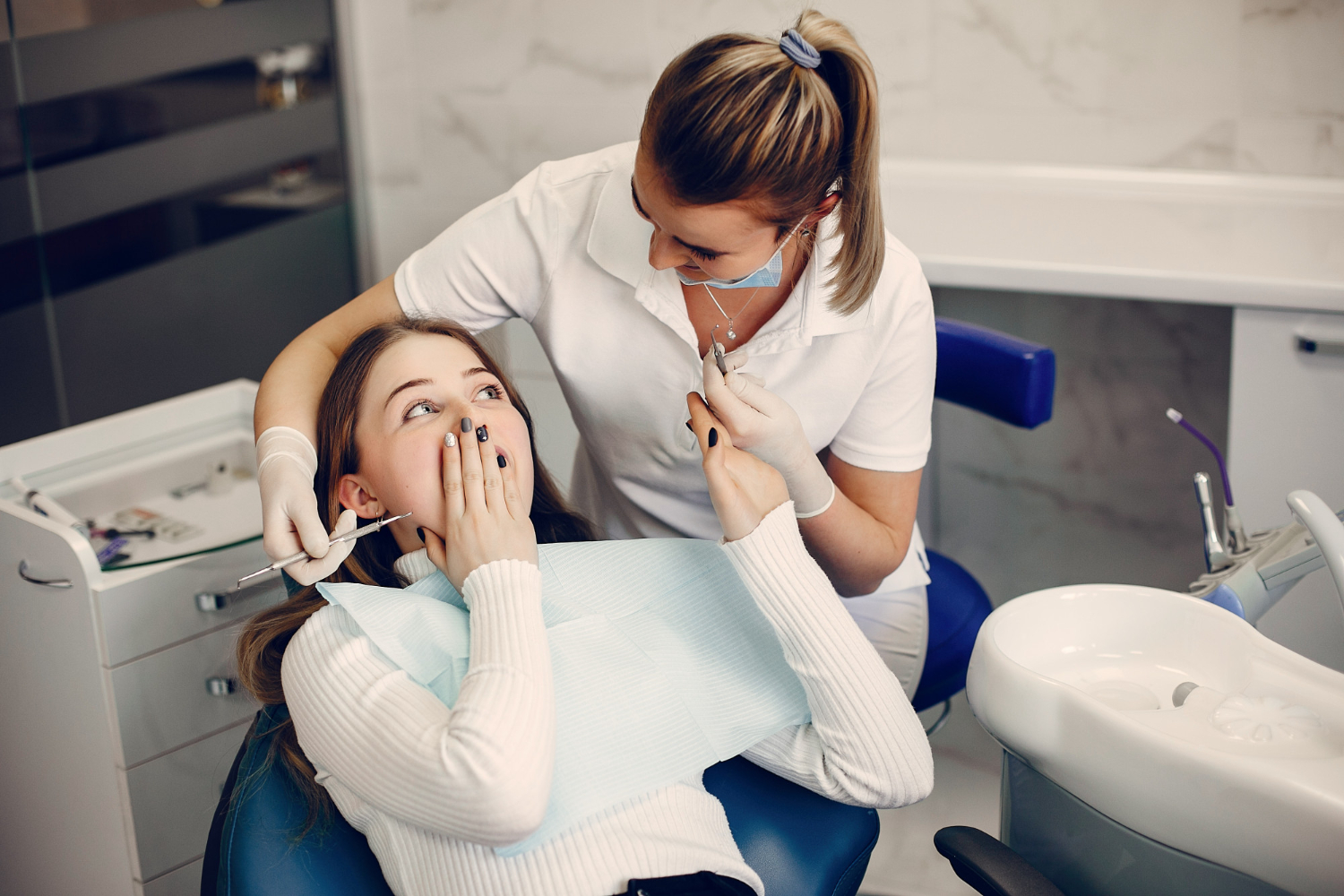
Does the Procedure Itself Hurt?
Practices that focus on periodontal care take the comfort question seriously. The goal in a comfort-focused office is to make the process as comfortable and pain-free as possible and to take the time to answer any questions a patient has before and during treatment.
If you are anxious about discomfort, say so at the start. Periodontal offices that emphasize patient comfort may offer sedation options, and asking about them before the appointment gives you time to arrange a ride and plan your day. Dr. Vivian A. Sorkin is a periodontist in Brandywine, MD whose practice emphasizes comfort and sedation options. Ask about the available options before treatment so you know what to expect.
Questions to ask before your appointment
- What comfort and sedation options are available for my treatment?
- How long should I expect the appointment to take?
- What should I eat before I come in, and can I drive myself home?
- What aftercare instructions should I follow for the first few days?
- How will we know whether the treatment worked?
Where laser therapy fits in
Some periodontal practices combine scaling and root planing with laser therapy as part of gum disease treatment. Laser treatment is one of the services offered in a periodontal setting alongside gum disease care, dental implants, gum grafting, and cosmetic gum recontouring. If you are comparing options, ask whether laser therapy is part of your plan, how it changes the appointment, and how it may affect your recovery.
What the Days After a Deep Cleaning Feel Like
Some tenderness and sensitivity in the days following a deep cleaning is a normal part of the gum tissue responding to treatment. Mild soreness or sensitivity may occur afterward, but it typically subsides within a few days. Patients often describe the feeling as similar to having been to the dentist for a long appointment, a general achiness rather than sharp pain.
| Stage | What patients commonly notice |
|---|---|
| During treatment | Local anesthesia may be used to help keep the procedure comfortable; sedation may be an option for some patients |
| Right after | Mild soreness or sensitivity may occur |
| Following days | Tenderness and sensitivity may occur as the gums respond to treatment |
| Recovery window | Soreness typically improves within a few days |
How to Make the Recovery Easier
The single most useful thing you can do is follow the aftercare instructions your periodontist gives you. Those instructions are written for your specific gums, your pocket depths, and the treatment that was actually performed, so they carry more weight than any general advice you read online.
Ask at the end of the appointment about food, drinks, brushing around the treated areas, and anything you should avoid while your gums settle. If you were sedated, confirm how long you need someone else to drive and when you can return to normal activity. Write the answers down or ask for them in writing, because the details are easy to forget once you are back in the car.
When Soreness Is Not Something to Ignore
Mild soreness that eases over a few days is expected. Pain that is severe, keeps getting worse rather than better, or is still going strong well beyond the typical few days is not something to push through quietly. Call the office and describe what you are feeling.
That call is not an overreaction. It gives your periodontist a chance to check the treated areas, confirm that healing is on track, and adjust your aftercare if something is irritating the gums. A caring periodontal office expects those calls and would rather hear from you early than see you uncomfortable for a week.
Why People in Brandywine Put Off Treatment
Gum disease rarely announces itself. There are no dramatic warnings at first, just slightly tender gums, a little blood on the toothbrush, or breath that does not quite feel fresh. Because the early signs are easy to explain away, many people wait. When a dentist finally points out the problem, the recommendation for a deep cleaning can land as a surprise, and the fear of pain adds another reason to delay.
Delaying does not make the procedure gentler. Gum disease that is already causing pockets and inflammation tends to progress, and the treatment plan can grow along with it. Scheduling a consultation to talk through what a deep cleaning involves, how comfort will be managed, and what recovery looks like in your case is a low-pressure way to replace guesswork with real information. Patients in and around Brandywine have access to periodontal care close to home, including second opinions on whether a deep cleaning is the right next step.
Frequently Asked Questions
How painful is a deep cleaning afterward?
Most people describe mild soreness or sensitivity rather than strong pain. Some tenderness and sensitivity in the days following a deep cleaning are common as the gums respond to treatment. This usually improves within a few days. If discomfort is severe or continues to worsen instead of improving, contact your periodontist.
How long does soreness last after scaling and root planing?
Mild soreness or sensitivity typically improves within a few days. However, gums that were already inflamed may remain sensitive for a little longer. Your recovery time can depend on the amount of treatment performed and how your gums respond.
Will I need numbing or sedation for a deep cleaning?
That depends on the condition of your gums, the extent of treatment, and your periodontist’s approach. Local anesthesia may be used to keep you comfortable during the procedure. Sedation may also be an option for patients who feel anxious or require more extensive treatment. Ask about your options before the appointment so you know what to expect.
How often do people with gum disease need a deep cleaning?
There is no single schedule that works for everyone. Patients with gum disease may need a different treatment and maintenance schedule than those receiving routine preventive cleanings. Your periodontist will recommend an interval based on the condition of your gums and how they respond to treatment.
Does insurance cover a deep cleaning?
Insurance coverage for scaling and root planing varies by plan. Some dental insurance plans may cover part of the treatment when it is considered medically necessary, while others may have specific limitations, deductibles, or waiting periods. Check your plan and confirm coverage with your dental office before treatment to understand your expected costs.