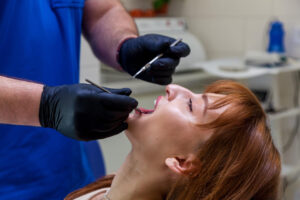
When people lose teeth in the upper back part of the mouth, especially near the molars, the bone often becomes too thin to support dental implants. This is where a sinus lift, also called maxillary sinus augmentation, plays a crucial role. It is a surgical procedure that adds bone to the upper jaw in the area of the premolars and molars. The treatment makes it possible to place implants securely, even when the bone has deteriorated over time.
According to the American Academy of Periodontology, procedures like sinus lifts have become increasingly common because they allow patients with bone loss to regain their smile and oral function with implants. Still, one of the most common concerns patients have before surgery is not just how the procedure works, but how long it will take to recover.
Recovery is different for every patient, but there are common stages and timelines that can help you set clear expectations. Knowing what the process looks like can ease stress and help you prepare for a smoother healing journey.
Sinus Lift Recovery Timeline: Essential Takeaways
- Recovery after a sinus lift typically takes four to six months, though the initial healing phase happens within the first couple of weeks.
- The first 48 hours are the most delicate, with swelling, discomfort, and mild bleeding.
- Bone integration is the longest stage, lasting up to half a year, and is crucial for implant success.
- Following post-operative instructions and attending follow-up visits improves healing outcomes.
- Each patient’s timeline varies depending on health, compliance, and surgical technique.
What is a Sinus Lift?

A sinus lift, or maxillary sinus augmentation, is a surgical procedure that increases bone height in the upper jaw, usually in the back molar and premolar area. Over time, bone loss can occur due to missing teeth, periodontal disease, or natural sinus expansion. Without enough bone, dental implants cannot be placed securely.
The surgery involves lifting the sinus membrane upward and inserting bone graft material into the newly created space. This added bone gradually integrates with your natural bone, creating a strong foundation for dental implants. By making this structural change, the procedure makes implants possible where they otherwise would not be.
How the Procedure Works
The surgery begins with a thorough assessment. Your periodontist or oral surgeon reviews your medical history and uses advanced imaging such as cone beam computed tomography (CBCT) to evaluate bone quality and sinus anatomy. This planning helps lower risks and ensures accurate results.
The surgical steps include:
- Cleaning and disinfecting the surgical site.
- Administering local anesthesia to ensure comfort.
- Making an incision in the gum to expose the maxillary bone.
- Creating a small opening in the bone.
- Lifting the sinus membrane carefully using special instruments.
- Placing bone graft material in the space created.
- Closing the gum tissue with sutures.
This careful process requires precision. The surgeon ensures the sinus lining is not damaged, which could otherwise slow down recovery or create complications.
Recovery Timeline
Recovery happens in stages. Understanding each phase allows patients to prepare physically and mentally for the healing process.
First 48 Hours
Mild swelling, discomfort, and light bleeding are common. The body begins its natural healing response. During this time, patients are advised to rest, use cold compresses to manage swelling, and follow prescribed medications closely.
Days 3 to 7
Swelling typically reaches its peak around the third day, then starts to subside. Patients should still avoid strenuous activities, heavy lifting, and vigorous exercise. A soft food diet is recommended, with options like yogurt, mashed vegetables, or smoothies. Foods that are hard, sticky, or spicy should be avoided.
Weeks 2 to 4
Most people begin to feel more comfortable during this stage. Swelling and discomfort decrease significantly. Patients can usually resume light daily activities but should continue avoiding physically demanding tasks. Follow-up appointments are scheduled to ensure healing is progressing.
Months 1 to 6
This is the bone integration phase. The graft material gradually fuses with the natural bone, creating a stable foundation for implants. This stage is the longest but the most important for implant success. Complete healing usually takes up to six months. Regular follow-ups allow the surgeon to track bone growth and integration.
“Over time, I’ve seen how excess weight in pets quietly affects their energy, breathing, and joints. Subtle changes like struggling on a walk, heavy panting, or reluctance to jump often signal obesity. Caring for their health means watching these early signs.” — Dr Vivian A. Sorkin, DMD
Factors That Affect Recovery
Recovery is not identical for every patient. Several key factors influence the timeline:
- Overall Health: Patients in good general health usually heal faster. Those with chronic conditions may require more time.
- Compliance with Instructions: Following the surgeon’s care plan is essential. This includes proper diet, hygiene, and activity restrictions.
- Surgical Technique: Advanced methods, such as piezoelectric surgery, can minimize tissue trauma and promote faster healing.
- Psychological Well-being: Anxiety or stress can slow down recovery. Patients who feel supported and informed often heal better.
Postoperative Care
Postoperative care is one of the strongest predictors of how smoothly recovery will go.
- Pain Management: Over-the-counter medications like ibuprofen or acetaminophen may be used, or the surgeon may prescribe stronger pain relief. Cold compresses are effective for reducing swelling.
- Dietary Guidelines: Soft foods are recommended. Avoid using straws, as suction can disrupt clot formation and delay healing.
- Activity Restrictions: Avoid heavy exercise and keep your head elevated while resting.
- Oral Hygiene: Gentle rinses with salt water can help keep the surgical site clean. Avoid brushing directly over the area until cleared by your provider.
- Follow-Up Visits: Typically scheduled at two weeks, six weeks, and three months to monitor healing and integration.
Possible Complications
Although sinus lift surgery is generally safe, complications can occur.
- Membrane Perforation: This is the most common complication, occurring in up to 40% of cases.
- Bleeding: Can result from injury to nearby blood vessels.
- Infection: May develop if bacteria enter the surgical site or if oral hygiene is poor.
- Sinus Issues: Problems like sinusitis or pressure buildup may appear if healing is disrupted.
- Graft Failure: In rare cases, the bone graft may not integrate fully.
Most complications can be avoided or managed with careful surgical technique and diligent patient care.
Managing Recovery Challenges
The key to avoiding setbacks lies in open communication with your surgeon. Patients should:
- Take prescribed medications as directed.
- Use cold compresses to manage discomfort.
- Watch for warning signs such as worsening pain, swelling, or unusual discharge.
- Avoid sneezing with the mouth closed, as this increases sinus pressure.
- Keep up with oral hygiene without disturbing the surgical site.
- Never hesitate to call the office if something feels off.
Why Choose Us
Vivian A. Sorkin, DMD, as a great periodontist, combines advanced technology, precision, and patient-centered care to provide the highest standard in periodontal and implant dentistry. Our practice focuses on individualized treatment planning and clear communication so every patient understands each step of their journey. From advanced imaging that ensures accuracy to compassionate post-surgical support, our goal is to make your sinus lift experience as smooth and successful as possible. Choosing us means placing your trust in a team that values your comfort, safety, and long-term oral health.
The Takeaway
A sinus lift is a highly effective procedure that makes dental implants possible for patients who have lost bone in the upper jaw. Recovery takes time, often several months, but with proper care and patience, the results can transform both oral function and overall quality of life. By understanding the recovery phases, following instructions carefully, and maintaining open communication with your provider, you can ensure the best possible outcome.
Frequently Asked Questions
1. How painful is recovery from a sinus lift?
Mild discomfort and swelling are expected in the first few days, but pain is usually manageable with medication and proper care.
2. When can I return to work after a sinus lift?
Many patients return to light activities or desk jobs within a week, but strenuous work should be avoided until cleared by your surgeon.
3. Can I get dental implants immediately after a sinus lift?
In most cases, implants are placed after the bone has fully healed, which can take four to six months.
4. What foods should I avoid during recovery?
Avoid hard, crunchy, or spicy foods, as well as drinking through straws. Soft foods like yogurt and smoothies are recommended.
5. What are the signs of infection after a sinus lift?
Increased swelling, redness, unusual discharge, or persistent fever may indicate infection and should be reported to your surgeon immediately.