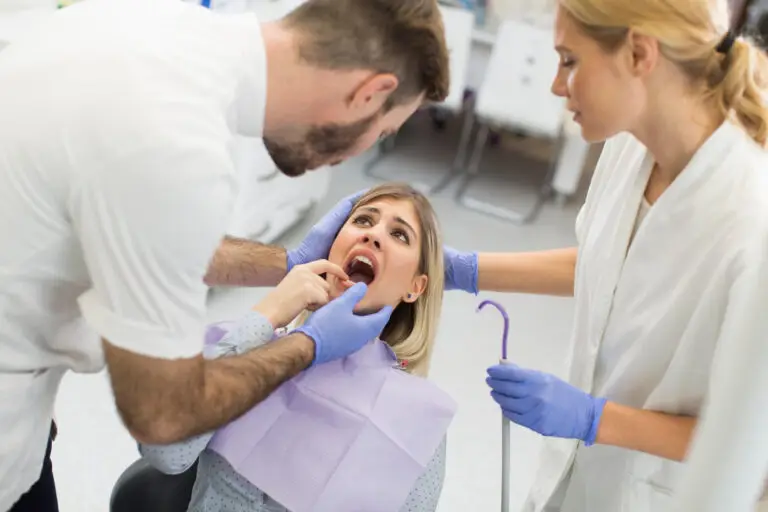
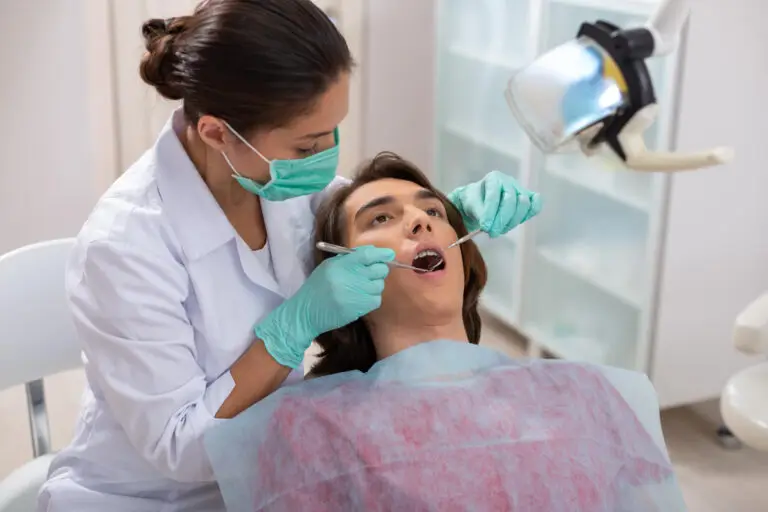
Gum surgery is an umbrella term for procedures that treat disease below the gumline, rebuild tissue that has been lost, or reshape the gums for health and appearance. Patients in Brandywine, MD can access these services through a periodontal practice led by Dr. Vivian A. Sorkin, D.M.D., located at 7704 Matapeake Business Dr STE 175, Brandywine, MD 20613. Knowing which procedures exist, why a periodontist recommends them, and what the experience involves makes it easier to decide on care with confidence.
What Gum Surgery Is and When It Becomes Necessary
Gum disease usually begins as inflammation that is reversible with professional cleaning and better home care. When it progresses, bacteria spread below the gumline and create spaces called pockets between the teeth and the gums. Once those pockets deepen and bone support starts to shrink, routine cleaning can no longer reach the source of the problem. At that point, a periodontist looks at surgical and advanced nonsurgical options.
The goal of treatment is consistent across procedures: stop the destruction, keep natural teeth whenever possible, and restore a gumline that is stable and comfortable. Gum surgery is not a single operation. It is a category that includes treatments for active infection, treatments for recession, and treatments that change the shape of the gums for cosmetic reasons. Which one fits depends on the diagnosis, not on a preference for a particular technique.
Periodontal Procedures Commonly Performed
Periodontal practices offer a range of treatments, and the right sequence is usually determined after an examination and imaging. The table below outlines the main categories and what each one addresses.
| Procedure | What it addresses | General notes |
|---|---|---|
| Scaling and root planing | Plaque and tartar below the gumline in early to moderate disease | A nonsurgical deep cleaning, often the first step before surgery is considered |
| Laser therapy (Fotona) | Bacterial deposits and diseased tissue within periodontal pockets | Your periodontist determines whether laser treatment suits your case |
| Gum graft surgery | Gum recession and exposed tooth roots | Adds tissue to cover roots and thicken the gumline |
| Cosmetic gum recontouring | Uneven or excess gum tissue | Reshapes the gumline for a more balanced smile |
| Bone grafting | Bone loss caused by periodontal disease or tooth loss | Often used to build support before or during implant treatment |
| Dental implant placement | Missing teeth lost to decay, gum disease, or injury | Restores a tooth root and, with a restoration, the visible tooth |
Dr. Vivian A. Sorkin and Periodontal Care in Brandywine
Dr. Vivian Sorkin is an experienced periodontist with more than 20 years of practice in Clinton, Maryland, with a focus on treating gum disease. Her Brandywine practice offers gum disease treatment, dental implants, laser therapy, gum grafting, and cosmetic gum recontouring.
Two features of the practice matter for anyone weighing surgery. The first is an emphasis on patient comfort, including sedation options for treatment. The second is advanced safety preparation, with the practice noting ACLS certification, which is a higher level of life support training. For patients who feel anxious about periodontal treatment or who have medical conditions that require extra monitoring, those details are worth discussing during a consultation.
Where Laser Therapy Fits in Gum Treatment
Laser therapy has become a regular part of modern periodontal care, and the practice offers Fotona laser treatment. Lasers can be used to remove diseased tissue and reduce bacterial levels inside periodontal pockets, and they are sometimes used alongside more traditional techniques rather than replacing them.
Laser treatment is not automatically the right answer for every patient. Candidacy depends on how deep the pockets are, how much bone has been lost, and whether the disease is localized or widespread. A periodontist should explain which approach is recommended for your case and why, including what the alternatives are and what happens if treatment is delayed.
Sedation and Comfort During Periodontal Procedures
Discomfort is one of the main reasons people postpone gum treatment, and sedation options exist specifically to address that concern. Depending on the procedure and your health history, your periodontist may discuss different levels of sedation and local anesthesia to keep you comfortable.
If sedation is part of the plan, you will receive instructions ahead of time. In general, patients are asked to arrange for someone to drive them home, to share a complete list of medications and health conditions, and to follow food and drink instructions carefully. Those directions come from the treating office, since they depend on the type of sedation used.
What to Expect at a Periodontal Consultation
A first visit is mostly about information gathering. Expect a review of your medical history and medications, a clinical examination of the gums and teeth, measurement of the spaces between the teeth and gums, and imaging to see the bone level. Your periodontist then explains what the findings mean and what treatment options exist.
- Medical and dental history review, including medications, smoking, and conditions that affect healing.
- Clinical examination of gum tissue, recession, and areas of inflammation.
- Periodontal charting to record pocket depths around each tooth.
- Imaging to evaluate bone support and any damage below the gumline.
- A discussion of treatment options, including nonsurgical care where it is appropriate.
Bring questions. It helps to ask how urgent treatment is, what happens without it, how many visits are involved, and whether any teeth are at risk. A clear plan should include both the procedure itself and the maintenance schedule that follows.
Preparing for Gum Surgery
Preparation for periodontal surgery is straightforward but specific to the procedure. Patients are typically asked to disclose all medications and supplements, since some affect bleeding and healing, and to report any change in health before the appointment. If you smoke, ask how it affects your treatment and recovery, because tobacco use is widely recognized as a factor in periodontal outcomes.
Practical steps help as well. Plan your schedule so you are not rushing back to work immediately after treatment, stock soft foods, and set up any prescriptions your periodontist orders before the appointment date. Any pre-treatment medication instructions come directly from your treating office, so follow those rather than general advice from other sources.
Recovery and Aftercare
Recovery depends on which procedure you had and how your body responds. Your periodontist will provide written aftercare instructions covering what to eat, how to clean the area, which medications to take, and when to return for a follow-up visit. Following those instructions closely is one of the biggest factors under your control.
Contact the office if you notice symptoms that concern you, such as pain that keeps increasing instead of easing, swelling that worsens, bleeding that will not stop, or a fever. Long-term success also depends on maintenance. Periodontal disease is chronic, so professional follow-up visits and consistent home care are what protect the results of surgery over time.
Cost, Insurance, and Details to Verify
Pricing for periodontal procedures varies with the complexity of the case, the number of teeth involved, whether grafting materials are used, and how much your dental plan covers. No reliable published price list for this specific area was available while preparing this article, so treat any figure you see online with caution. The dependable approach is to ask the practice for a written estimate that lists each procedure and any associated fees, then confirm coverage with your insurer before scheduling.
Useful questions to ask include whether a referral from a general dentist is required by your plan, what the estimate covers, whether payment options are available, and how many visits the treatment plan involves. Practice details, hours, and contact information can change, so verify current information directly with the office before you travel there.
Frequently Asked Questions
Do I need a referral to see a periodontist in Brandywine, MD?
Some patients arrive after a referral from their general dentist, while others contact a specialist directly. Whether a referral is required usually depends on your dental insurance plan rather than on the specialist. The reliable way to find out is to call the practice and confirm your plan’s requirements before scheduling a consultation.
Is laser gum treatment painful?
Laser therapy is often described as a less invasive option than conventional surgery, but comfort varies from patient to patient and depends on the extent of treatment. Local anesthesia and sedation options are available to keep you comfortable. Your periodontist can explain what to expect for your specific procedure during the consultation.
How much does gum surgery cost in Brandywine, MD?
Costs depend on the procedure, the number of teeth treated, whether grafting materials are needed, and your insurance coverage. Because periodontal fees vary by case and no verified local price list was available for this article, request a written estimate from the practice and confirm your benefits with your insurer before treatment begins.
How long does recovery take after gum surgery?
Recovery time depends on which procedure you had and how your body heals, so there is no single timeline that applies to everyone. Your periodontist provides specific aftercare instructions and schedules follow-up visits to check healing. If you have concerns during recovery, contact the office instead of waiting for your next appointment.
Can gum surgery save my natural teeth?
Preserving natural teeth is a primary goal of periodontal treatment, and surgery can help control disease and stabilize the gums when nonsurgical care is not enough. Long-term outcomes depend on the severity of bone loss, your home care routine, smoking status, and whether you keep maintenance appointments. Your periodontist will discuss your individual prognosis honestly.